In 2019, Lord Howe Island wiped out roughly 300,000 invasive rats and mice; 7 years later, its native cockroaches, weevils and other invertebrates are returning across the island
In 2019, Lord Howe Island successfully eradicated invasive rats and mice, leading to an incredible resurgence of native invertebrates like cockroaches and weevils. Discover how this monumental conservation effort is reversing decades of ecological damage.
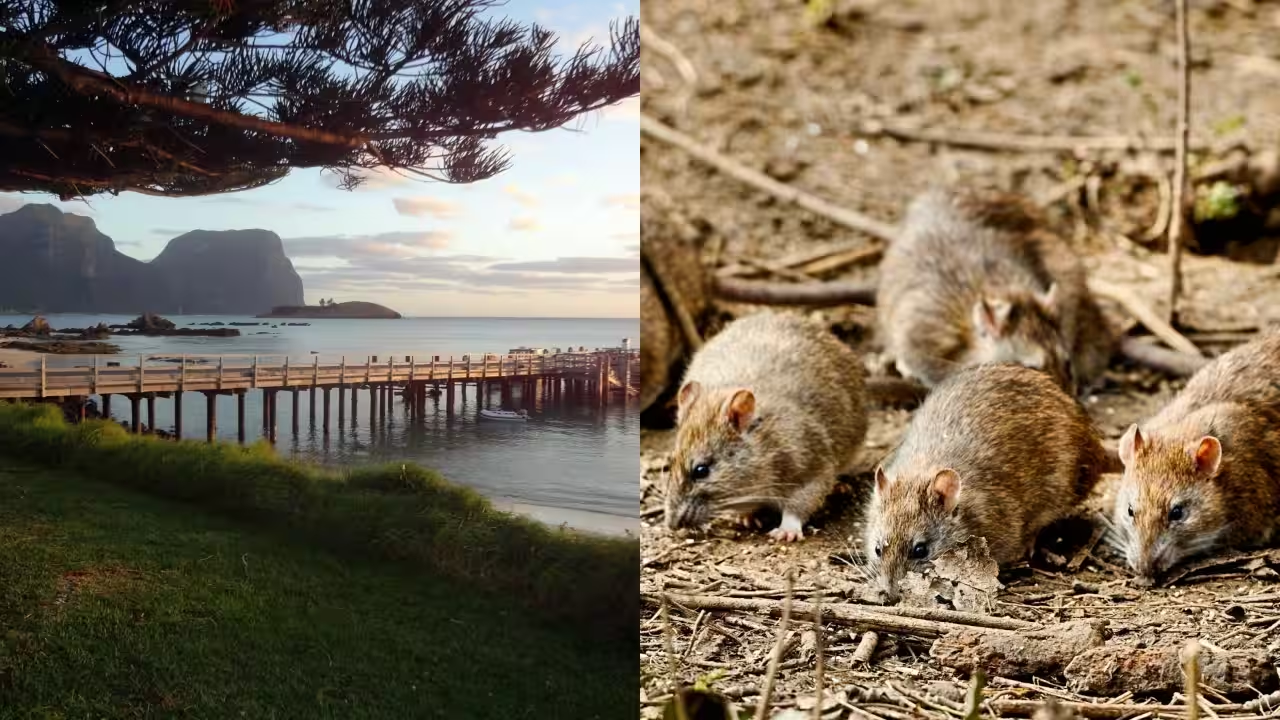
Lord Howe Island is a small volcanic rock that would fit inside several suburban council districts several times over. It is situated approximately 600 kilometres off the coast of New South Wales. Despite its little size, the island has historically held tremendous importance for biologists due to its isolation, which has given rise to hundreds of species of plants and animals that are unique to the planet. However, once two unwanted species arrived by ship, the island's seclusion made it exceedingly vulnerable for much of the twentieth century.How the rats arrived and what they left behindHouse mice were introduced to Lord Howe Island in the 1860s and ship rats in 1918, when a supply ship ran aground close to the island. Neither species belonged on an island whose native animals had developed in the absence of any land-based predators, and the results were catastrophic. The rodents are estimated to have caused the loss of at least five endemic bird species, more than a dozen invertebrates and two native plants in the decades following their introduction, the Lord Howe Island Board said. Residents attempted to manage populations by killing, trapping and even bounty programs for years, but nothing came close to solving the problem. Planning for full-scale eradication began in the early 2000s, but it took more than fifteen years of research, community negotiation, and regulatory approval before any poison bait was laid.A clearance operation like no other and its aftermathThe last effort was conducted from May to December 2019 and involved helicopter bait drops over uninhabited territory and thousands of ground-based bait stations strategically placed around the island’s small permanent settlement. The initiative removed an estimated 150,000 mice and 84,000 rats, making Lord Howe Island the biggest permanently populated island anywhere to have had a successful comprehensive rodent eradication, according to the Lord Howe Island Board's own figures. Early signs of recovery appeared soon after. The black-winged petrel’s breeding success rose from roughly 2.5 per cent to 67 per cent in one year, and the island’s highly endangered woodhen more than doubled its numbers in just a few seasons. In one occurrence reported by the New South Wales Government, researchers rediscovered a native wood-feeding cockroach in 2022 that had not been seen since the 1930s and was widely presumed extinct, surviving in a single small colony beneath a banyan tree.Seven years later, the smallest residents are returningBirds and larger creatures would always be the most visible evidence of recovery, but scientists knew that the island's invertebrates were also important for understanding how the ecosystem functions and that they would take longer to show detectable change. A study jointly led by the University of Sydney and the state environment department has substantiated that suspicion. Before the eradication, scientists collected specimens from twenty woodland areas, revisiting the same sites seven years later and ultimately collecting more than 24,000 invertebrate specimens for comparison. Their results, published in Biological Invasions under the title "Increases in invertebrate abundance and shifts in assemblage composition following rodent eradication on Lord Howe Island", reported a general rise in invertebrate abundance of around sixty percent, with the sharpest gains among larger-bodied species such as bush cockroaches and woodlice that had previously been easy targets for rats.Elsewhere, conservationists value the invertebrate findings particularly because the baseline data are so robust. Scientists had been tracking bug populations before the 2019 operation, giving them a level of precision in measuring the island’s recovery rarely achieved after eradication efforts on other islands. The comparison revealed not just more individuals but a shift in species makeup, evidence suggesting that eliminating just one non-native predator can have a greater impact on a whole food web than previously assumed.This does not imply that the recovery of Lord Howe Island is over. Researchers say they now plan to investigate the island's higher-order predators, including native birds of prey, to see how the shifting balance of insect life is filtering up through the ecosystem. Several species of threatened plant are also being watched, as a few depend on insects for pollination or seed dispersion that have silently fallen to the wayside over the century of rodent infestation. But for now, the re-emergence of a previously thought extinct cockroach and a sixty per cent increase in total insect numbers provide rare, quantitative evidence that one carefully managed conservation initiative may reverse much of the damage that has built up over more than a century.You use AI every day. Now get your AI Quotient. Take the AIQ test.
Topics in this story
Gathered from external sources. Rights to this text belong to whoever originally published it.