At BRICS summit, China, Russia and India urge ‘maximum restraint’ in Middle East
The BRICS group of nations unanimously adopted a joint declaration on Saturday, expressing “deep concern” over the war in the Middle East and urging maximum restraint, advocating for a “multilateral approach” that respects national viewpoints.
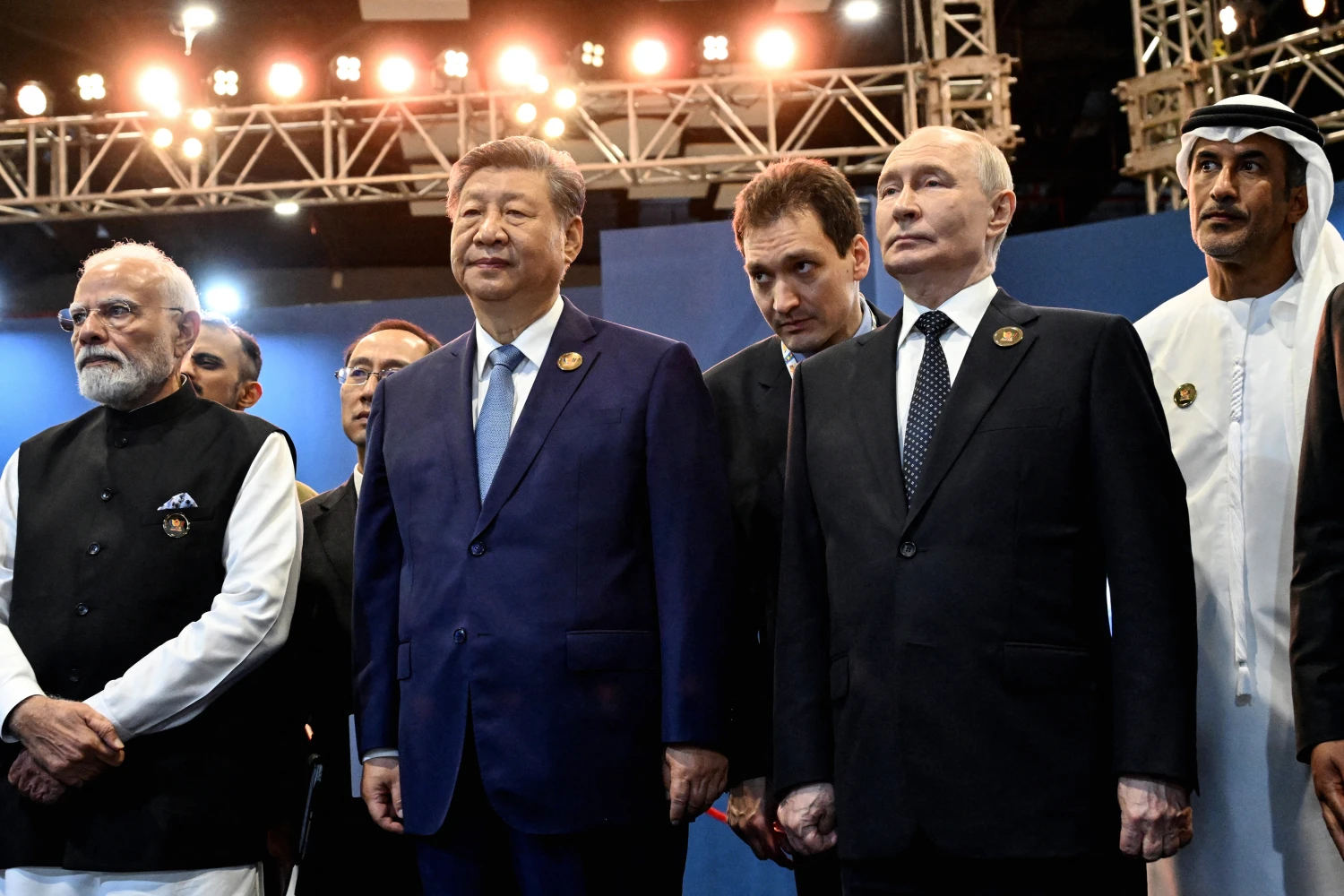
The BRICS group of nations unanimously adopted a joint declaration on Saturday, expressing “deep concern” over the war in the Middle East and urging maximum restraint, advocating for a “multilateral approach” that respects national viewpoints. The declaration, adopted on the first day of the BRICS leaders’ annual summit in New Delhi, comes at a time when the U.S. and Iran have resumed tit-for-tat strikes against each other, after a pause in fighting for much of August. The BRICS bloc includes both Iran and the Washington-aligned United Arab Emirates, which was expected to make clinching a joint statement consensus a particularly challenging task for host India. “We express deep concern over the continued escalation of tensions in the Middle East...call for exercising maximum restraint...avoiding actions that could further aggravate the situation,” the ‘New Delhi Declaration’ said. The declaration also reiterated the commitment of member nations to a peaceful resolution of international disputes “through dialogue, consultation, and diplomacy”. In addition, they voiced concerns about the rise of “unilateral tariff and non-tariff measures” that distort trade, against the backdrop of U.S. sanctions against Tehran amid its war with the country, and against Russia over its conflict with Ukraine. China urges peacemaker role Chinese President Xi Jinping urged the BRICS bloc to be a peacemaker in the Middle East conflict, in an address to a summit of member countries in New Delhi on Saturday. China will work with other BRICS members in that role, as the war “does not serve the common interests of the international community,” state-run CCTV quoted Xi as saying. BRICS groups Brazil, Russia, India, China and South Africa, Egypt, Ethiopia, Indonesia, Iran and the United Arab Emirates. It was set up in 2009 to challenge a world order dominated by the United States and its Western allies. Together, its members account for more than 40% of the world’s population and almost a quarter of the global economy. The Chinese leader called the bloc a “leading group” in the Global South and a model of self-reliance among emerging and developing countries that should promote innovation-driven development. China-India ties The visit for the summit is Xi’s first to India in seven years and comes as the Asian neighbours cautiously rebuild ties that were badly damaged after a military clash on their disputed Himalayan border in 2020 in which 20 Indian and four Chinese soldiers were killed. The Xi-Modi meeting, scheduled for Saturday evening, will be their third in three years, a spokesperson for China’s foreign ministry said on Friday. China “is willing” to work together with India, to view two-way relations from a strategic and long-term perspective, properly manage differences, and be “good neighbours and friends, as well as mutually supportive partners,” the spokesperson said.
Topics in this story
Gathered from external sources. Rights to this text belong to whoever originally published it.