Trump’s Greenland quest leaves scars, even as deal brings relief
President Trump’s announcement that he secured a deal with Denmark and Greenland over security for the Arctic territory gave both the president’s supporters and critics something to cheer over — the removal of a key irritant in the NATO relationship. The exact details of the deal are not yet public, but officials have highlighted that…
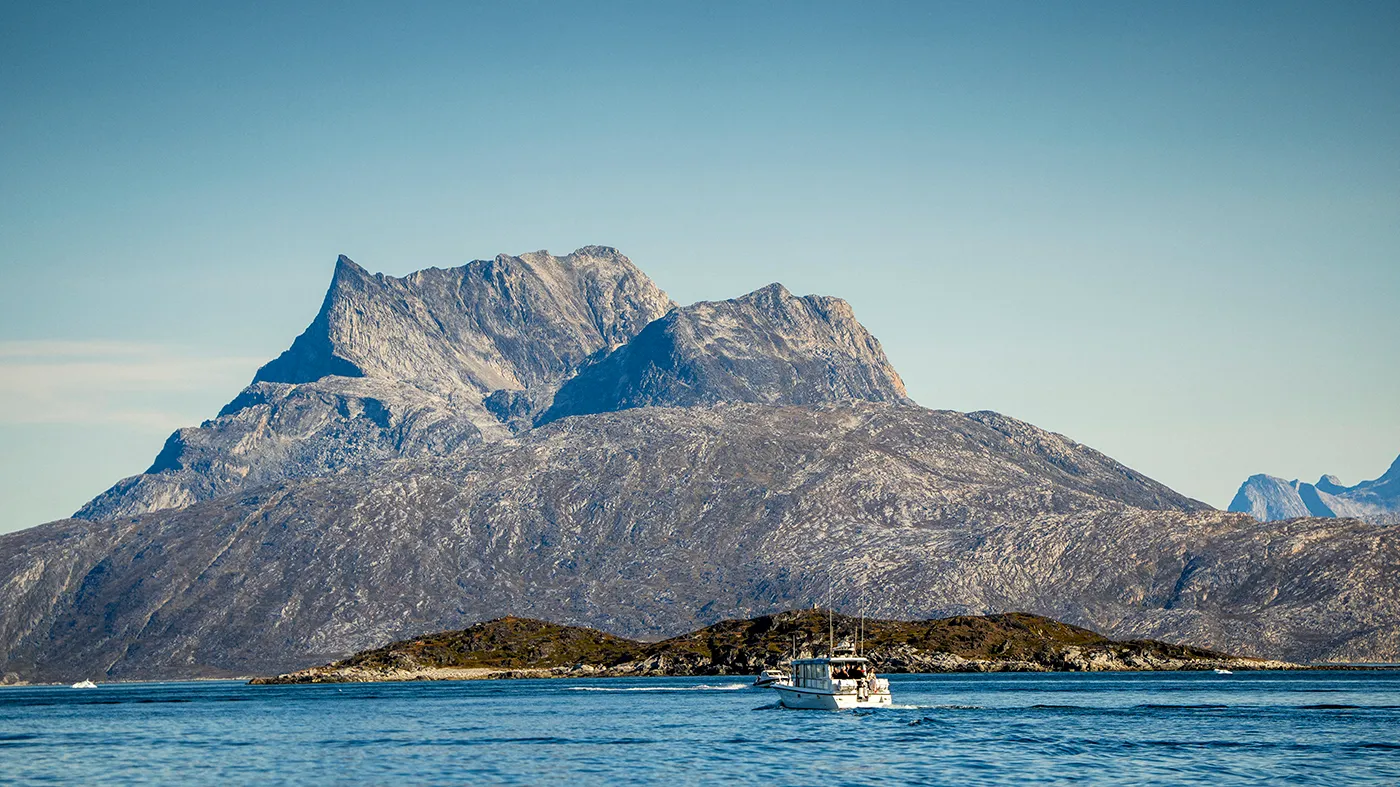
President Trump’s announcement that he secured a deal with Denmark and Greenland over security for the Arctic territory gave both the president’s supporters and critics something to cheer over — the removal of a key irritant in the NATO relationship.
The exact details of the deal are not yet public, but officials have highlighted that the U.S. is allowed a permanent military presence on the island even if Greenland achieves its independence. It also prohibits America’s adversaries — Russia and China — from making investments in sensitive infrastructure or building military installations.
Foreign policy experts and commentators pointed to the key provisions as easy wins that Trump could have achieved without demanding U.S. ownership and threatening to invade the island by force — rhetoric they argue genuinely harmed diplomatic ties within the alliance and risked unprecedented confrontation.
“The icy outpost is valuable strategic territory, though it’s fair to ask whether this deal could have been reached without the collateral damage to U.S. alliances from Mr. Trump’s bullying threats,” The Wall Street Journal’s editorial board wrote Sunday.
“The U.S. has nonetheless paid a diplomatic price that it didn’t need to pay.”
Mike Waltz, Trump’s ambassador to the U.N., shared to his social media the link to the Journal’s editorial while highlighting what the administration is selling as a win: “Securing our Northern flank. Permanent U.S. basing rights in Greenland keep our homeland safe, deny adversary access, and reinforce American peace through strength leadership on the global stage.”
Trump will meet with Danish Prime Minister Mette Frederiksen and Greenland’s Prime Minister Jens-Frederik Nielsen for a trilateral signing ceremony in New York on Tuesday. Denmark and Greenland, however, said the agreement will enter into force “subject to the necessary national parliamentary procedures.”
Baiba Braže, Latvian foreign minister and a NATO ally, expressed caution ahead of the signing ceremony.
“Let’s wait till the deal is signed,” she told The Hill in a phone interview Saturday when asked for her reaction.
Braže said she had not seen the terms of the deal but described negotiations as “intense.”
“But we very much welcome the process because that’s how it works amongst the allies. If you have thoughts, if you have sort of proposals to be negotiated, that’s how it’s negotiated amongst the allies, and that’s good,” she added.
Torrey Taussig, director of the Transatlantic Security Initiative at the Atlantic Council, said the outcome showed how European partners worked together behind the scenes to lower the temperature of Trump’s heated rhetoric by pursuing compromise.
But the deal is “unlikely to quiet concerns European allies have over America’s broader commitment to the Alliance,” added Torrey, who was previously the director for European affairs on the National Security Council (NSC).
That view was only reinforced with Trump supporters celebrating the deal as fulfilling the president’s desire to own the island.
Katie Miller — a podcast host and wife of Stephen Miller, Trump’s deputy chief of staff for White House policy — posted a map of Greenland covered with an American flag and the caption “ITS HAPPENING” on social media.
Readers added context to the post, clarifying that the agreement only expands U.S. military basing rights and that “Greenland remains an autonomous Danish territory.”
Alex Gray, who was the chief of staff of the NSC during Trump’s first term, said the new deal improves the U.S. security position in the High North and resolves Washington’s concerns over restricting countries’ investment in sensitive economic sectors.
“The ‘right of denial’ is a key feature in the Compacts of Free Association the U.S. maintains with the Pacific nations of Micronesia, Palau and the Marshall Islands, which have been discussed as a possible model for Greenland,” Gray wrote in a Sunday op-ed in The Wall Street Journal.
“Under Mr. Trump’s deal, the U.S. will, in consultation with Denmark, enjoy a version of this diplomatic tool in sensitive areas,” Gray wrote. “Given rising Chinese and Russian interest in the Arctic, such a guarantee of consultation on adversary involvement in Greenland is essential.”
The U.S. military has around 150 service members stationed at Pituffik Space Base on the island’s northwest coast, a U.S. Space Force spokesperson told The Hill on Monday.
The Space Force-operated facility supports missile defense, missile warning and space surveillance missions.
Trump, in his post announcing the deal, said the U.S. would quickly get to work expanding its military footprint on the island.
Michael McFaul, a prominent Trump critic and former U.S. ambassador to Russia during the Obama administration, called the deal “a slight tweak to what’s been in place for decades,” in a social media post Sunday.
McFaul called the ban on bases from China and Russia “not new,” and said Denmark would never allow it regardless of America’s involvement.
“Maybe the agreement gives the US new authorities — we will have to wait and see when it’s published — but that could have been negotiated earlier without threatening to invade and annex Greenland. Denmark has been our loyal democratic ally for a long time,” he wrote.
“Trump did not buy or annex Greenland. He just repackaged an old agreement and put his name on it.”
Topics in this story
Gathered from external sources. Rights to this text belong to whoever originally published it.