Scotland has released 50 wildcats into the Highlands since 2023, with females giving birth in the wild for three consecutive years as efforts to restore the species' population continue
Scotland’s efforts to bring its critically endangered wildcats back from the brink have reached an important milestone, with 50 animals released into the
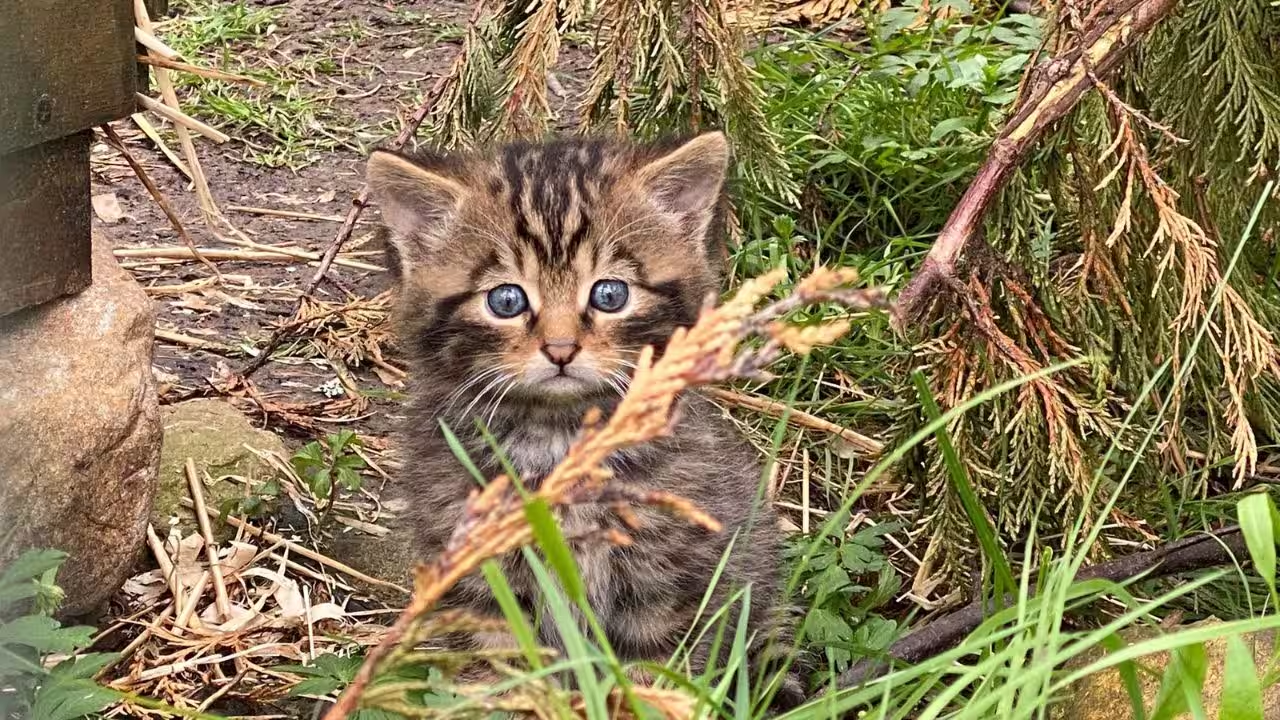
Scotland’s efforts to bring its critically endangered wildcats back from the brink have reached an important milestone, with 50 animals released into the Highlands since 2023. The conservation programme has also recorded a promising sign of recovery, as female wildcats have given birth in the wild for three consecutive years. More than 44 kittens have been born since the project began, suggesting that the released animals are not only adapting to their natural surroundings but are also beginning to establish a breeding population in the Cairngorms.50 wildcat releases are helping restore Scotland’s native populationThe milestone was announced by Saving Wildcats, a conservation partnership led by the Royal Zoological Society of Scotland (RZSS). The programme began releasing wildcats into the Cairngorms National Park in summer 2023, with the aim of preventing the species from disappearing from Scotland.The latest milestone was reached after 4 additional wildcats were released during the summer of 2026. According to RZSS and the Saving Wildcats project, the total number of animals released has now reached 50 in 4 years.The programme's progress is particularly significant because Scottish wildcats have faced decades of decline. The animals were once found across mainland Britain but suffered from persecution, habitat pressures and interbreeding with domestic and feral cats.According to STV News, the species was declared functionally extinct in 2019. The conservation programme is now working to rebuild a population that can survive and reproduce without depending entirely on continued releases.What makes the birth of wild kittens an important sign of recoveryOne of the most encouraging developments has been the arrival of kittens born in their natural habitat. Saving Wildcats confirmed that female wildcats have given birth in the wild for three consecutive years, indicating that the released animals are adjusting to life outside captivity.STV News reported that more than 44 kittens had been born in the wild since the programme began. This is an important development because successful reproduction suggests that the animals are finding suitable conditions, surviving in their surroundings and continuing their population in the wild.David Barclay, conservation manager at Saving Wildcats, told STV News that the animals were not simply surviving, hunting and living independently but were also reproducing.How are the released wildcats being monitoredReleasing animals into a large natural landscape is only one part of the conservation work. The team also needs to understand how they move, hunt and adapt after leaving the breeding centre.According to STV News, every wildcat released through the programme is fitted with a GPS collar. These devices allow conservationists to follow the animals' movements and collect information about their behaviour after they enter the wild.David Barclay explained that tracking provides an important way to understand how the animals are adapting. The information is also reviewed and shared with other conservation projects, allowing researchers to learn from both successful outcomes and difficulties.The animals are bred and prepared at a dedicated conservation breeding centre at Highland Wildlife Park before being released into the Cairngorms. Preparing a wildcat for release takes around 15 months.During this period, human contact is deliberately kept to a minimum. The approach helps prevent the animals from becoming accustomed to people and reduces the likelihood of them approaching humans in search of food once they are living independently.STV News also reported that some released wildcats have already been spotted by members of the public. One particularly unusual sighting involved a wildcat swimming across the River Spey while people were canoeing nearby.Threats facing the Scottish wildcatsDespite the encouraging breeding results, conservationists have warned that the species remains critically endangered in Scotland. Several threats continue to affect its chances of long-term survival.One of the biggest concerns is hybridisation, which happens when wildcats breed with domestic or feral cats. This can gradually weaken the distinct genetic identity of Scotland's native wildcat population.Other threats include feline diseases, road collisions, accidental harm from predator control activities and the fragmentation of suitable habitats. Human activity can also disturb areas where wildcats live and hunt.The Saving Wildcats project recorded 11 deaths among released animals over 3 years, including 5 caused by vehicle collisions. However, the conservation team considers this mortality rate relatively successful compared with similar animal relocation projects.RZSS also noted that several of the animals that died had spent years living in the wild and produced litters before their deaths.Scotland plans to strengthen the population through further releasesNext priority is to increase the population while ensuring that it has enough genetic diversity to remain healthy over time.RZSS has said that future releases will include animals bred with Spanish wildcats, which are the closest living genetic relatives of Scotland's native wildcats. Introducing these animals is expected to help strengthen the genetic diversity of the population.Dr Helen Senn, head of conservation and science programmes at RZSS, warned that wildcats face additional pressures from climate change. Wildfires during the summer of 2026 caused extensive damage to known wildcat habitats in the Cairngorms National Park.The project also works with farmers, land managers and local communities because wildcat habitats frequently overlap with land used by people. These areas include forest edges, rough grassland, scrubland and riverside environments.Meanwhile, Scotland's new Wildcat Strategy, published by NatureScot in September 2026, builds on the experience gained through the Saving Wildcats programme. As reported by STV News, the strategy aims to tackle the biggest threats facing the species, identify additional safe release areas and restore wildcat numbers to sustainable levels by 2045.You use AI every day. Now get your AI Quotient. Take the AIQ test.
Topics in this story
Gathered from external sources. Rights to this text belong to whoever originally published it.