Student loan borrowers race for lower payments as changes come to a head
Student loan borrowers are in a race against the clock to keep their payments as low as possible as they navigate upcoming deadlines to get out of old repayment plans, choose a new one and potentially receive a temporary reduction in their loans’ interest rate. The Trump administration’s standard repayment plan and Repayment Assistance Plan…
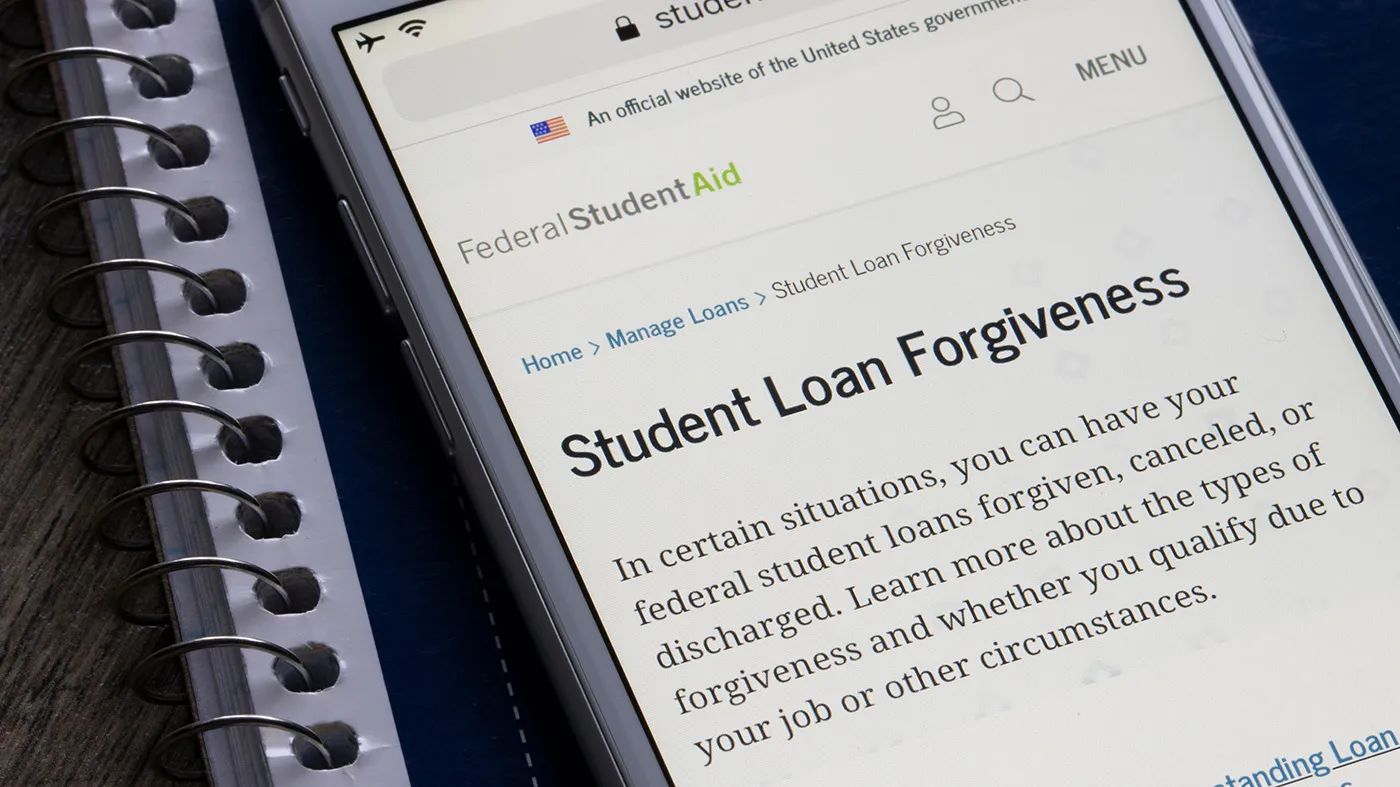
Student loan borrowers are in a race against the clock to keep their payments as low as possible as they navigate upcoming deadlines to get out of old repayment plans, choose a new one and potentially receive a temporary reduction in their loans’ interest rate.
The Trump administration’s standard repayment plan and Repayment Assistance Plan (RAP) officially came into play this summer, creating a whole new ballgame for fresh loans and a time crunch for many current borrowers.
Millions of borrowers on the now-defunct SAVE plan must make a switch to a new repayment plan soon or be forced to enroll into the standard repayment option.
Borrowers on the SAVE plan, a remanent of the Biden era that offered payments as low as $0 a month, are receiving notices on a rolling basis that they must pick a new plan within 90 days or be forced into a option that would give them the biggest jump in their monthly repayments.
The first set of borrowers that received the notice must make a change before Sept. 29, with all borrowers in the SAVE plan expected to receive their 90-day deadline by the end of the year.
The Education Department has not announced how many borrowers have already left the SAVE plan. The Hill has reached out to the department for comment.
While other repayment options are available for those with loans taken out before July 1, some of those plans will also dwindle away in the future. The Pay As You Earn and Income-Contingent Repayment options are set to end in 2028.
“The biggest complaint has definitely been the high cost of exiting the SAVE plan, the confusion with what plans they can get onto, reminding folks that did not take out loans prior to July 1 that they can still apply for what we’re calling now legacy plans,” said Natalia Abrams, president of the Student Debt Crisis Center.
Those with loans that came after July 1 will only have the options of the standard repayment plan and RAP. The standard repayment plan causes those with small loan amounts to have large monthly payments because the length of the loan is based on the amount owed. The RAP plan bases payment on a person’s adjusted gross income, up to 10 percent.
The Trump administration has argued its big changes to the system, including limits on graduate school borrowing , will make borrowing for higher education easier to navigate and force colleges to lower prices.
Sticker prices on colleges are reaching an average of $90,000 a year, and the federal government has a total of $1.7 trillion in outstanding federal student loan debt. Around 9 million borrowers have defaulted on their student loans, and more than 3 million are delinquent.
As SAVE borrowers move into other repayment plans, Jessica Thompson, executive vice president at the Institute for College Access & Success, worries the default rate will get higher “because the payments are now much less affordable than they under the prior IDR [income-driven repayment] plans.”
Frustrations are also mounting among advocates over a lack of data from the department regarding what programs borrowers are entering and how long it is taking them to switch plans.
“We do continue to hear a lot of anecdotes of long servicing wait times, incorrect information, a lot of confusion and a lot of frustration. But again, not a lot of data at this point that we can really point to,” Thompson said.
In response to student loan changes, some higher education institutions have already lowered prices or are now giving scholarships to cover the cost the federal government no longer will.
Santa Clara University is offering new scholarships “designed to offset the impact of recent repeal of the Graduate Plus federal-loan program,” according to the school. The University of California, Irvine, also made tuition cuts to two master’s programs due to cuts to graduate school lending.
“So, in direct response to the loan limits, some institutions have introduced new private loan programs, sometimes partnerships with third parties, or just loan programs operated out of the institution,” said Preston Cooper, senior fellow at the American Enterprise Institute.
The end of September is also a deadline for all student loan borrowers to save potentially hundreds of dollars over the next two years.
The Education Department is offering a 1 percent interest rate reduction until June 30, 2028, for those who enroll in autopay before the end of the month.
“The Trump Administration is making student loan repayment easier than ever, and borrowers should not wait to take advantage of this temporary interest rate reduction to stay on track for key student loan benefits,” said Under Secretary of Education Nicholas Kent.
Topics in this story
Gathered from external sources. Rights to this text belong to whoever originally published it.