Free lunch, transgender athletes: Voters nationwide face major education decisions
Voters across the country are making big decisions about the education of their children at a local, state and federal level in this year’s midterms. Ballot initiatives, school board elections, governor races and Senate spots are all on the line as parents head to the polls thinking about AI, school choice and what topics should…
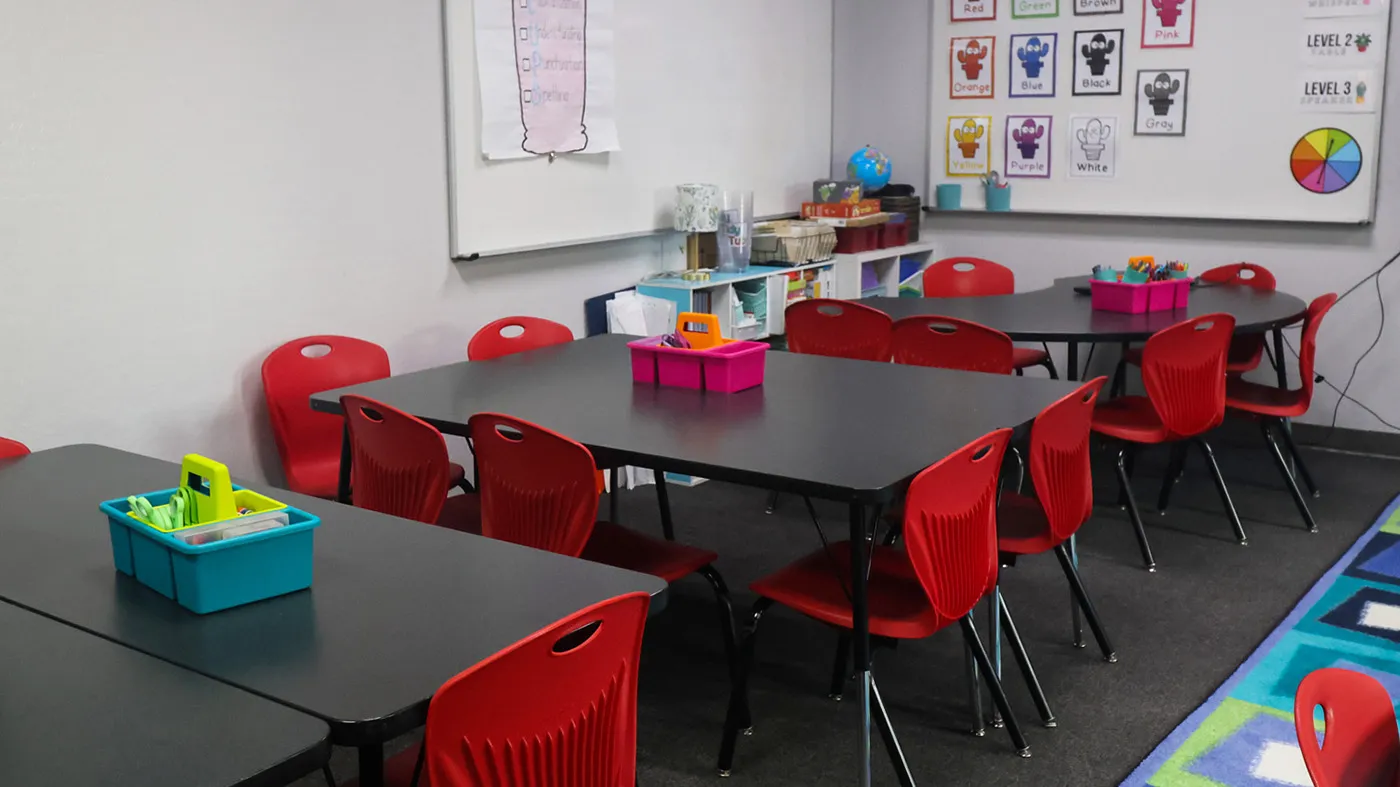
Voters across the country are making big decisions about the education of their children at a local, state and federal level in this year’s midterms.
Ballot initiatives , school board elections, governor races and Senate spots are all on the line as parents head to the polls thinking about AI, school choice and what topics should be taught or read in classrooms.
According to Education Week , there are 34 ballot initiatives across 17 states that affect education or its funding, nine states will be choosing new state board of education members, eight have state superintendent races and 36 states have gubernatorial races for parents to vote in.
“Every American, deserves a good education, regardless of whether or not the public school system or the teachers’ unions or whoever wants to keep them trapped in failing institutions … We’re going to continue fighting for educational freedom and larger parental control in the education system,” said Doug Blair, press manager for Heritage Action, the lobbying arm of the Heritage Foundation, a conservative think tank.
Blair added Heritage Action will focus on “fighting for school choice” this midterm.
In four states, Colorado, Washington, Arizona and Nebraska, voters will decide whether to create or expand bans on transgender girls and women playing on female sports teams.
Alabama, meanwhile, is asking voters to decide if the Pledge of Allegiance should be required daily, along with an optional student-led prayer, and if schools should be required to play or have a performance of the first stanza of the “Star-Spangled Banner” at least once a week during school hours.
Arizona voters will weigh in on a ballot initiative that bars schools from “implementing disciplinary practices that treat students or employees differently based on race or ethnicity” or using public money on positions “responsible for promoting preferential treatment or discrimination based on race or ethnicity.”
Washington state will find out if voters want to expand parental rights to allow for parents to review instructional material, opt out of some instruction for their student and have the right to be notified of medical services given to their child while at school.
A proposed constitutional amendment in North Carolina would give free breakfast and lunch to all public school students.
New Mexico is looking to remove a constitutional requirement that school elections happen at different times than partisan ones, an increasingly popular change intended to get higher voter turnout at school votes.
Many of the 34 initiatives have to do with taxes, public funding or other means by which schools receive assistance from the state or taxpayers.
California, Arizona, Idaho, Wyoming, Oklahoma, North Dakota, Georgia and South Carolina will be electing a state superintendent, which typically oversees education departments.
The powers of a state superintendent range nationwide, but they can include budgeting, setting or enforcing teacher certifications and ensuring compliance with state and federal laws. The votes have increasingly seen the attention of outside groups due to the power they can have over school choice programs.
“Arizona has been a really good example for us, so we’re focusing a lot on the state superintendent race. There was an anti-[education savings account] ballot initiative that was potentially going to go on the Arizona ballot. We were successfully able to lobby and you know push to get it off,” Blair said.
Other states are electing members for their boards of education, which have the power to set curricula, approve textbooks and overall exert some control over states’ K-12 and university policies.
Their ability to set academic standards comes at a crucial time, as students are still struggling to recover reading and math scores from after the pandemic.
School choice has been a popular issue with Republican gubernatorial candidates in Ohio, Missouri, South Carolina and Alaska all focusing on the issue.
Democrat Amy Acton has won the support of teachers’ unions in Ohio as she has opposed school vouchers, backed free school meals and promised more funding on the issue. Republican Vivek Ramsawamy has supported school choice and said he wants to raise academic standards for students.
School choice is increasingly important for governors now that a federal school choice tax credit program is available to all states, only with the approval of the state leader.
“We’ve been very focused on the governor’s races, in particular. We see a new generation of Democrats that are stepping up to run for governor, and many of them want to lead on education, but in the absence of a national democratic vision and agenda, they’re looking for guidance,” said Jorge Elorza, CEO of Democrats for Education Reform.
“I think of candidates such as David Crawley in Wisconsin, Keisha Lance Bottoms in Georgia, Amy Acton in Ohio, you know, frankly, Phil Weiser in Colorado, Jonathan Kreiss-Tomkins in Alaska, all folks that see that blue states and the party in general has fallen behind on K-12 and want to do something about it, and it’s just really interesting,” he added.
While Senate races have not largely focused on education, whichever party wins control of the Senate will have power over issues such as the dismantling of the Department of Education.
Topics in this story
Gathered from external sources. Rights to this text belong to whoever originally published it.