Satisfaction with K-12 education drops to new low: Gallup
American’s satisfaction with the quality of K-12 education in the U.S. had reached a new low, a newly released poll found. The Walton Family Foundation and Gallup survey published Monday reported that just 32 percent of respondents were either “somewhat” or “completely” satisfied with American primary and secondary education — the lowest this rate has…
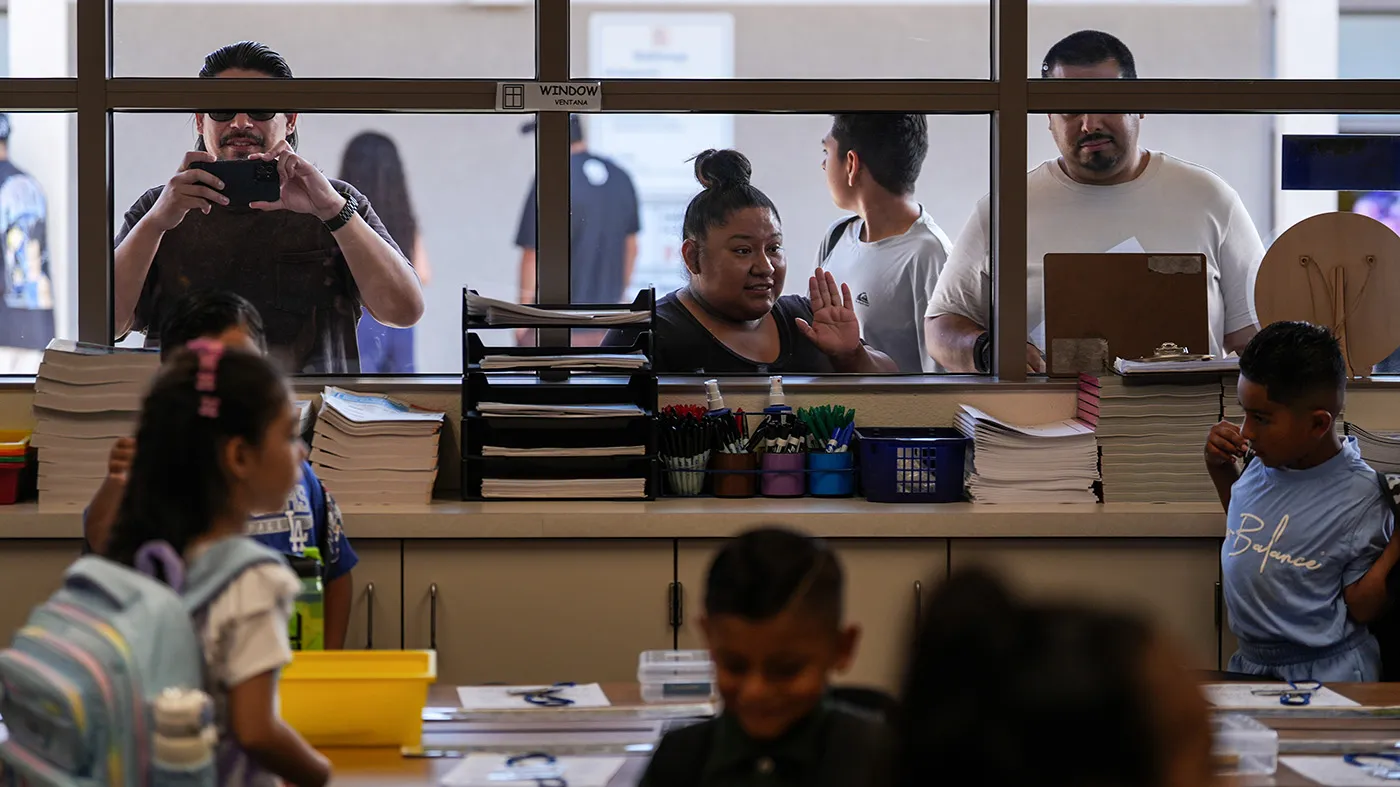
American’s satisfaction with the quality of K-12 education in the U.S. had reached a new low, a newly released poll found.
The Walton Family Foundation and Gallup survey published Monday reported that just 32 percent of respondents were either “somewhat” or “completely” satisfied with American primary and secondary education — the lowest this rate has dipped in the poll’s 27-year history.
Dissatisfaction hit a record high of 67 percent this year, with the remaining respondents saying they had “no opinion.” The pollsters drew a connection between this decline and the start of the COVID-19 pandemic, with dissatisfaction growing nearly 20 points since 2020.
Out of the 32 percent who positively evaluated U.S. schools, 8 percent of respondents stated they were “completely satisfied” and 24 percent “somewhat satisfied.” While 36 percent of those surveyed were “somewhat dissatisfied” and 31 percent “completely dissatisfied.”
The results come almost a year after President Trump signed an executive order directing Education Secretary Linda McMahon to dismantle the Department of Education as much as possible.
McMahon slashed the department’s 4,000-person workforce in half after Trump administration funding cuts targeted key offices, such as the Office for Civil Rights and the Federal Student Aid office.
But Republicans’ responses did not hit the same record low this year, as this group evaluated education more negatively in 2023 — under the Biden administration. However, 2026 comes in second for GOP respondents’ dissatisfaction, with just 25 percent rating U.S. primary and secondary schools positively.
By contrast, 35 percent of Democrats and 32 percent of independents were satisfied with K-12 education. Gallup’s analysis added that, while Democrats appear to evaluate schools more positively than Republicans, left-leaning respondents fueled the most recent dip — as their disapproval grew by 19 points over the past year alone.
American respondents also gave schools low ratings on their ability to prepare students to think critically and solve problems. Only 20 percent of those surveyed gave schools an excellent or good rating in this category.
Only one of the six student readiness categories identified in the survey did the majority of respondents rate positively: “preparing students to adapt to new technologies,” reaching 51 percent.
The use of technology in schools has become widely debated due to the rise of artificial intelligence. Last week, New York City Mayor Zohran Mamdani placed a one-year moratorium on AI use in public elementary and middle schools.
Justifying the move, Mamdani said last week that children “need their teachers and human connection in order to learn and in order to grow” in the classroom.
The Walton Family Foundation and Gallup surveyed 1,200 U.S. adults from Aug. 3 through 17. The margin of sampling error was 4 percentage points.
Topics in this story
Gathered from external sources. Rights to this text belong to whoever originally published it.