Can schools help boost youth voter turnout for midterms?
Advocates are hopeful the upcoming midterms will see an uptick in youth voters as high schools and colleges work to help register and encourage students to go to the polls. Voter turnout is typically lower during midterms, especially among the young, but advocates argue motivation is high because of discontentment with the Trump administration and…
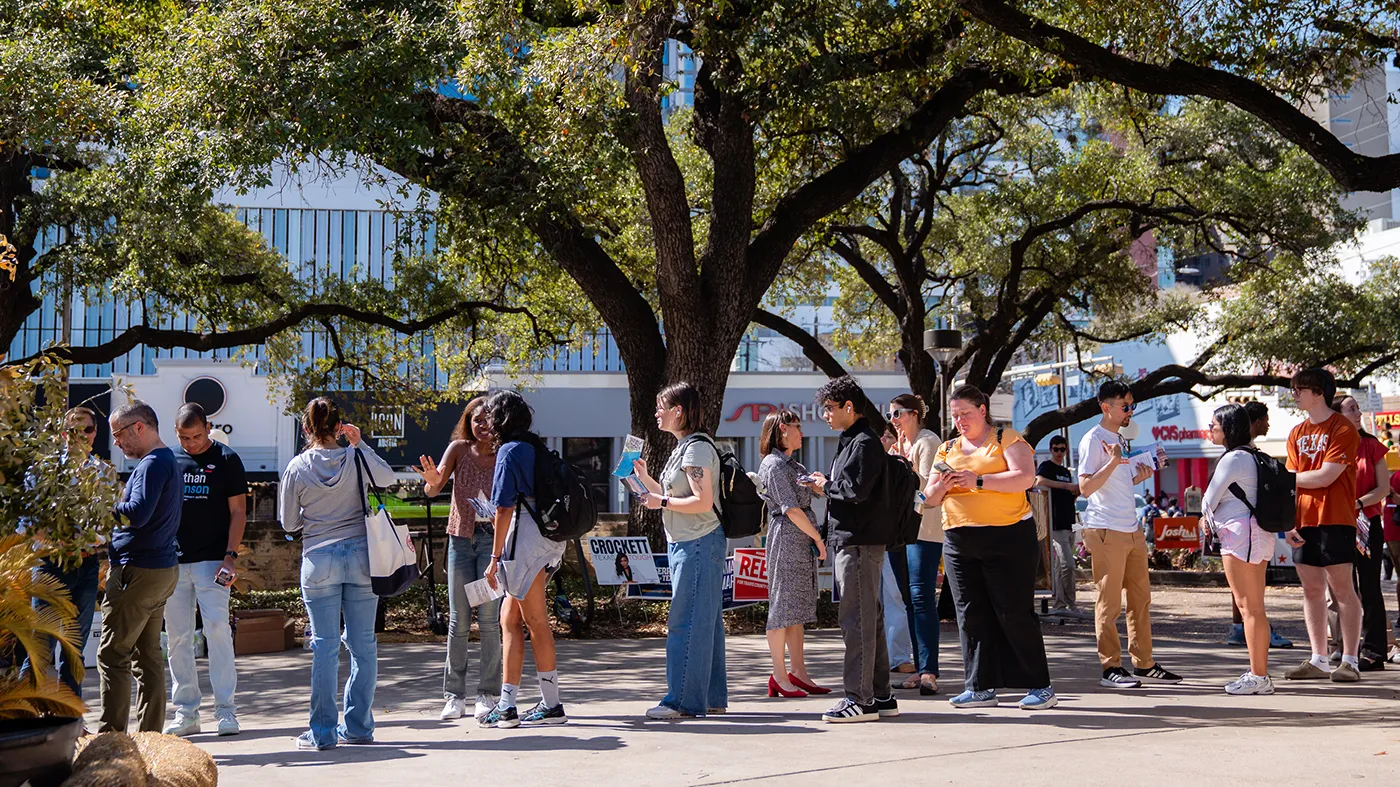
Advocates are hopeful the upcoming midterms will see an uptick in youth voters as high schools and colleges work to help register and encourage students to go to the polls.
Voter turnout is typically lower during midterms, especially among the young, but advocates argue motivation is high because of discontentment with the Trump administration and the economy.
From classroom lessons focused on voting to events such as “Puppies to the Polls,” efforts are ramping up to beat the youth turnout numbers from the last midterms.
For students at Harvard University, the youth voter turnout was around 36 percent last midterm cycle, according to Carter Umphress, co-chair of the Harvard Votes Challenge.
This cycle, their “realistic goal” is 50 percent.
“I expect turnout across the board to be fairly high for youth and for everybody else. Like I said, we’ve had an uptick in midterm turnout lately, and I do think that … the state of our current politics has made a lot of people recognize how important it can be,” Umphress said.
“One of the most positive developments that we’ve seen in the last 10 or 15 years is that increase in civic engagement because the turnout in 2014 was abysmal, but in 2018 and 2022 has been quite high,” he added.” “So, that is one thing I can credit the current state of our politics for. So, I do see youth turnout increasing substantially from the last midterm. At least, I hope so.”
The Harvard Youth Poll from this spring showed 59 percent of 18- to 29-year-olds believe the country is on the wrong track. Rising prices and inflation were the biggest concerns for young people at more than 50 percent, with the cost of housing coming in second at 40 percent.
An increase in youth voter turnout for 2026 is a definite possibility. The Center for Information and Research on Civic Learning and Engagement (CIRCLE) at Tufts University found a 2 percent increase in registered young voters in 2026 compared with 2022.
Among the 49 million registered voters younger than 30, a poll from CIRCLE in early 2026 showed 56 percent were “extremely likely” to vote.
And how schools approach the youth turnout can create a difference.
According to the Voting Institute, young people in higher education had voting rates six points higher than their non-college peers.
Advocates say some of the best ways to get students to the polls start in the classroom.
“One of the main things that we tell campuses to do is meet students where they already plan to be, rather than asking students to come to them,” said Zoë Williamson Cretini, the associate digital communications director for Students Learn Students Vote coalition.
One of the most effective methods for reaching students is “working with faculty members, particularly in higher attendance classes like first year experience classes, intro level classes, and just stopping by for five to 10 minutes to explain what the upcoming election is, different opportunities for voting,” she added.
Getting young people, who often move or travel for college, to register is often the biggest hurdle.
“Even in midterm elections, what we see is in in places with competitive elections, where young people have managed to hear about it and get registered, once they’re registered, they tend to turn out at much higher rates than people think. So, that’s why registration is such an important thing to focus on,” said Laura Brill, founder of the Civics Center.
States that allow preregistration at 16 or 17 years old tend to have higher rates of youth registration than others.
Brill said her organization saw a “huge impact, a greater than six percentage point increase” when it trains students and educators to hold nonpartisan voter registration drives at schools
The Civics Center wrote this cycle is on track for the highest number of 18-year-olds registered to vote in any midterm the group has tracked, attributing the milestone partly to “greater awareness of preregistration and organizing in high schools.”
“The tide has really shifted in in the sense that we are having students and educators and partner organizations reach out to us because they see this as a real need,” Brill said. “Voter registration for 18-year-olds has actually gone up seven percentage points compared to 2022, which is a huge gain in just four years. I mean, we just don’t see this in any other area of democracy work, this kind of really encouraging shift in the data.”
While registration drives and talks in the classroom are the most popular, and most effective, method of reaching students, some stress fun ways to engage students on voting are also needed.
Schools have hosted events offering food, drinks, animals and games to bring young people out to learn about registration and voting.
Cretini said schools that have partnered with her group have hosted “voter fests“ or block parties that create “celebrations and community events that make voting feel joyful and tangible and community-oriented.”
“Some of my favorites that I’ve seen are ‘Puppies to the Polls,’ people do petting zoos and really anything that they can do to get people’s attention and then pivot them towards civic engagement,” she added.
Topics in this story
Gathered from external sources. Rights to this text belong to whoever originally published it.