Big Tech in classrooms: Why parents should question Silicon Valley’s growing influence on education
A child opening a Chromebook to complete homework may seem like an ordinary school-day routine.
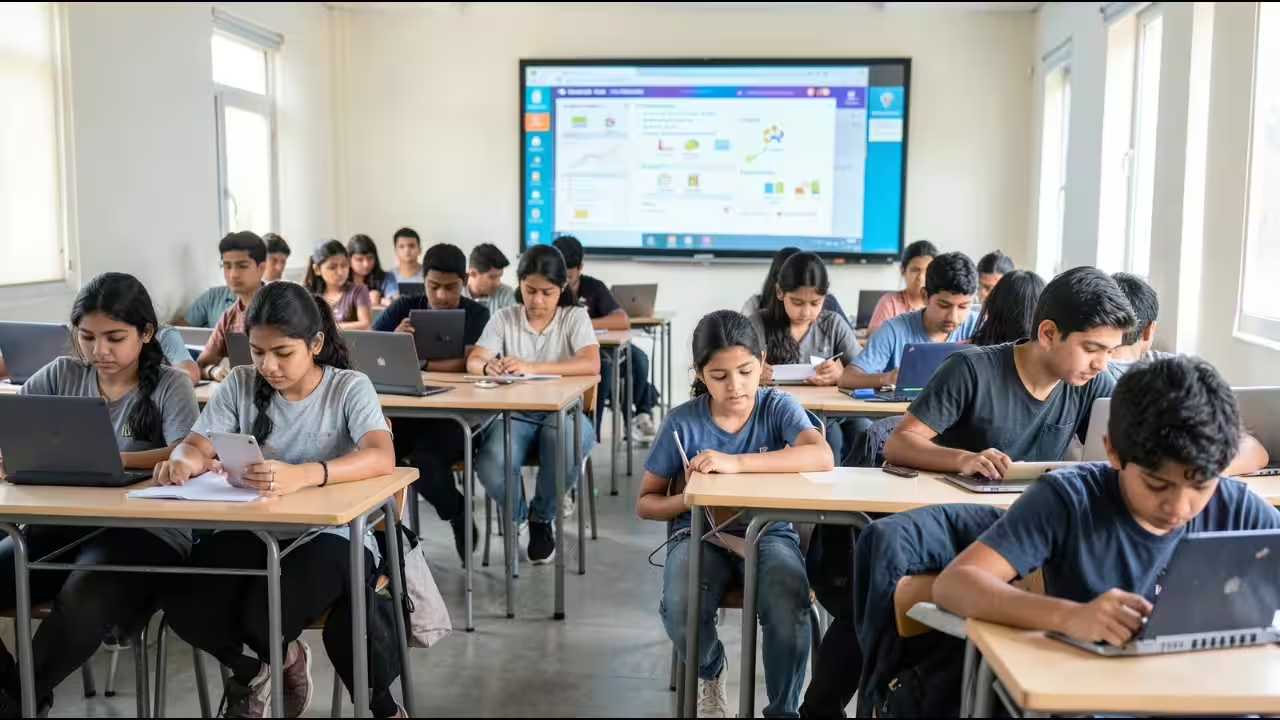
A child opening a Chromebook to complete homework may seem like an ordinary school-day routine. But behind that screen lies a much bigger question: how much influence should technology companies have over what children learn?From digital classrooms and coding programmes to the growing use of artificial intelligence, Silicon Valley has become an increasingly familiar presence in schools. These tools can make learning more accessible and introduce students to new skills. Yet concerns are growing about what happens when the companies selling the technology also begin influencing teaching methods, curricula and the way schools prepare children for the future.In a conversation with The Harvard Gazette, New York Times technology reporter Natasha Singer examines this relationship in her new book, Coding Kids. Her reporting traces decades of efforts by technology companies to reshape education, raising questions about whether schools have been too quick to embrace the industry's promises.How technology companies became part of everyday schoolingFor many students, digital platforms are now as routine as textbooks and notebooks. Google Classroom helps teachers distribute assignments, Google Docs is used for writing, and Chromebooks have become familiar sights in classrooms. Apple and Microsoft also provide devices and software used by schools.Singer told The Harvard Gazette that this widespread dependence gives technology companies an unusually powerful position in education. They are not simply selling products to schools. They are providing much of the infrastructure on which teaching and learning now depend.That influence can extend beyond the devices students use. Companies may also support teacher training, fund educational organisations and promote particular approaches to subjects such as computer science and artificial intelligence.The concern is not that these tools have no place in schools. It is whether schools are examining their wider implications as carefully as they would when adopting products from other industries.When companies help decide what children learnOne of the issues Singer explores in Coding Kids is the involvement of technology companies in shaping computer science education.As discussed in The Harvard Gazette interview, branded curricula have found their way into Advanced Placement computer science courses. Apple's programming language Swift and Microsoft's Minecraft have both been used to introduce students to computing.Such programmes can give students practical experience and make technical subjects more engaging. But they also raise questions about whose priorities are reflected in the classroom.When a company helps shape a course, students may become familiar with its products and platforms from an early age. Parents and educators therefore have reason to ask whether a curriculum teaches broad computing principles or places too much emphasis on tools developed by a particular company.Why technology cannot fix every problem in educationTechnology is often presented as a way to make education more effective and prepare students for future careers. However, putting devices in classrooms does not automatically improve learning.Singer's discussion with The Harvard Gazette draws attention to the work of education scholar Larry Cuban, whose book Oversold and Underused examined the gap between the promise of computers in schools and their actual use.The wider point remains relevant. A school may have the latest devices, but students still need skilled teachers, a well-designed curriculum and a supportive learning environment. Technology cannot compensate for inadequate facilities, a lack of resources or the basic difficulties some children face outside the classroom.The question, then, is not how quickly schools can adopt new tools, but whether those tools are making a meaningful difference.Why students need to learn 'tech civics'Singer believes children should be taught more than how to use technology or write computer code. They should also learn to question the systems they encounter every day.She describes this approach as "tech civics". The idea is to help students understand who controls their data, how technology companies exercise power and what risks may accompany new tools.In one example discussed in the Harvard Gazette interview, a teacher encourages students to think about the risks of AI and the information companies collect about them. Such discussions give children a chance to look beyond the convenience of digital products and consider their wider consequences.This kind of learning could become particularly important as AI tools enter classrooms and influence how students research, write and solve problems.What parents and schools should considerThe debate does not have to be a choice between embracing technology and keeping it out of schools. Digital tools can be useful, provided their adoption is guided by educational needs rather than the excitement surrounding the latest innovation.Parents can ask schools how student data is collected, which platforms children are expected to use and how the benefits of these tools are assessed. Teachers, meanwhile, need the freedom and training to decide when technology supports learning and when traditional methods work better.As Singer's reporting suggests, preparing children for a technology-driven future involves more than teaching them to use the latest software. It also means helping them understand the companies behind it, question its influence and make informed decisions about the role it should play in their lives.Get the latest Education News and Live updates. Download the TOI app.
Topics in this story
Gathered from external sources. Rights to this text belong to whoever originally published it.