Experts say Cornell case highlights struggle with sexual assault prevention programs
The alleged Cornell University gang rape has put a spotlight on programs and educational initiatives at colleges that address sexual violence. But as Cornell’s president promises more student education on the issue after uproar on campus, the effectiveness of these efforts has come under nationwide scrutiny. Cornell President Michael Kotlikoff said the university wants…
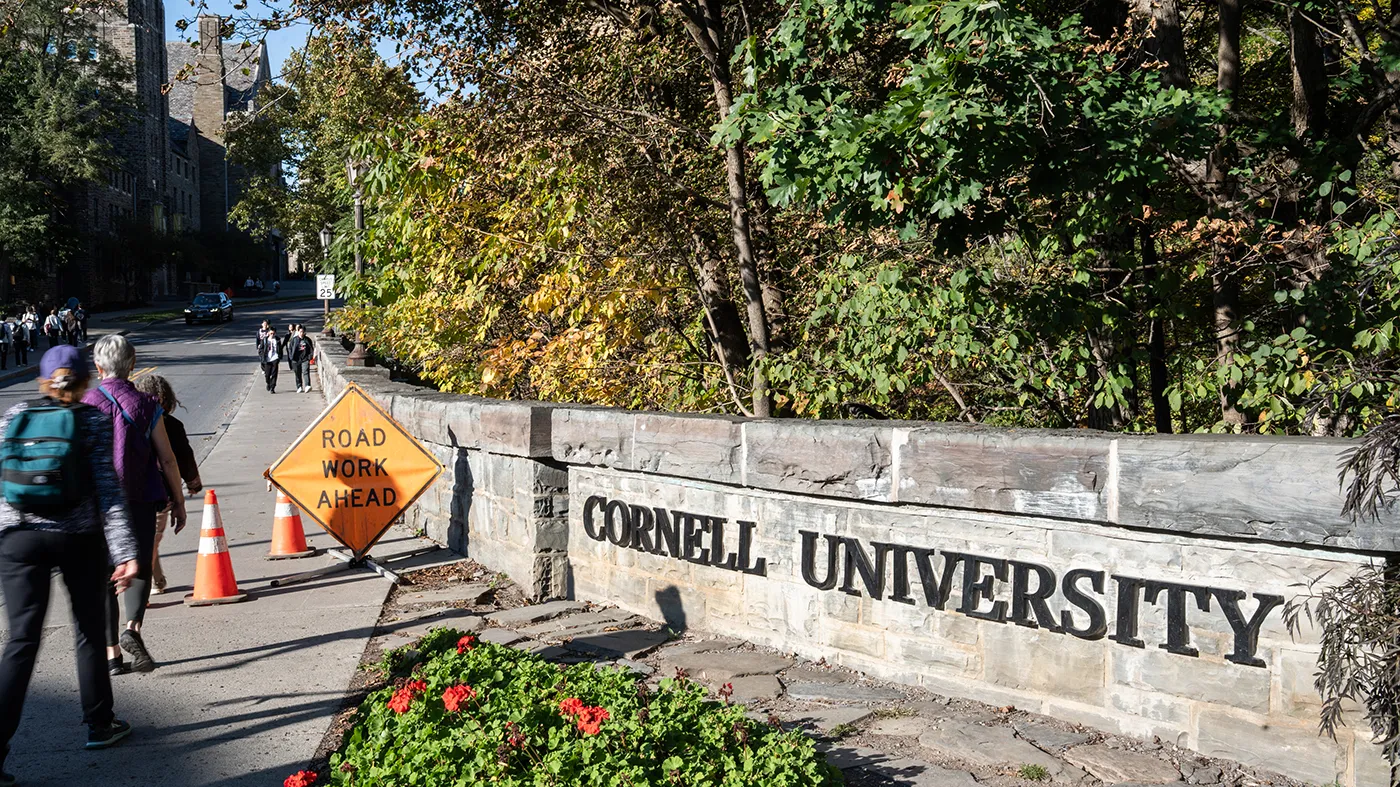
The alleged Cornell University gang rape has put a spotlight on programs and educational initiatives at colleges that address sexual violence.
But as Cornell’s president promises more student education on the issue after uproar on campus, the effectiveness of these efforts has come under nationwide scrutiny.
Cornell President Michael Kotlikoff said the university wants to change campus culture by investing more in prevention-focused programs, increasing existing education around the bystander effect and working with experts in national sexual violence prevention to strengthen strategies to address the issue on campus.
But current sexual violence prevention programs on campuses have shown they only do so much to reduce instances of assault.
Heather Kettrey, an associate professor at the department of sociology, anthropology and criminal justice at Clemson University, and her colleagues did a 2023 meta-analysis that found these trainings had a “much more substantial effect on knowledge and attitudes” regarding campus sexual assault than “they do on violence.”
“Typically, programs aim to change knowledge and attitudes as a means of preventing violence. Although campus sexual assault prevention programs do appear to improve knowledge and attitudes, there is not strong evidence that campus sexual assault programs are doing much to prevent violence,” she added.
Experts say the current prevention programs are often either easily forgotten or ignored by students, emphasizing more frequent trainings, lessons from a trusted person and greater emphasis on accountability from peers would be more impactful for students.
“Right now, a lot of people are learning this information once at the very beginning when they first get to college. Everyone’s a stranger, especially whoever’s teaching them this information …They don’t have trust in this person or rapport with this person, and so it’s not being contextualized, right? It’s not familiar to them, and a lot of people are just going to disregard,” said Omny Miranda Martone, founder and CEO of the Sexual Violence Prevention Association.
The programs need to not only cover consent and prevention strategies such as don’t walk home alone, Martone added, but also make clear the campus culture will not accept behaviors or comments that contribute to harmful situations and students will speak up against it.
“With regards to the Cornell case, if just one, just one of the people in that group chat had said ‘This is f—-d up, this is really f—-d up,’ then this might not have escalated as much as it did, right? It might not have gotten as big as it did. More people might not have joined … or it might not have gone on as long as it did without her getting the support that she hopefully is now receiving, right? But that didn’t happen. That’s not what happened. Instead, people egged them on, and anybody who was against it stayed sidelined,” Martone said.
The Campus Sexual Violence Elimination Act requires all higher education institutions receiving federal funding to implement sexual assault prevention programs with students, but the specifics are not universal.
Commonly, students will go through a one-time instructional session on sexual assault prevention, normally during orientation or through an online compliance program.
“What we want to do is see sustained attention to things like prevention training. So, these trainings can all be effective in letting students and the community know about resources that are there, about what they can do, for example, as a bystander, but we see these things be most effective when we have a higher dosage of exposure. So, we want to see these trainings repeated and offered in different times throughout the year, and not just as a one-time event,” said Jessica St. Germaine, executive director of consulting at RAINN, a group focused on sexual assault prevention and support for survivors.
The programming will talk about consent and the “bystander effect,” which is the failure of someone to act in emergency situations. Sexual assault bystander intervention teaches students about the responsibility to intervene if they see something and how to do so.
Despite years of this sort of training, a 2024 Higher Education Sexual Misconduct and Awareness survey found 1 in 17 undergraduate men and 1 in 5 undergraduate women experienced sexual assault during college, not accounting for the vast underreporting of the issue.
Fraternities commonly do their own sexual assault trainings, though many view frats as untrustworthy on the issue.
At Cornell, Jane Doe accused seven Chi Phi fraternity brothers of gang raping her after she was coerced into drugs and alcohol.
Many experts say to change the culture more broadly, consent education needs to happen well before a student reaches a college campus.
“The truth is that sexual violence prevention education is not a one time educational program. We know that the best approaches to prevention education start at a younger age. We can’t just expect somebody to show up at college and suddenly just understand consent, right? We need to be having these conversations about consent and healthy relationships and bodily autonomy and respect for others in age-appropriate ways,” said Tracey Vitchers, executive director of It’s on Us, a nonprofit dedicated to college sexual assault prevention.
Topics in this story
Gathered from external sources. Rights to this text belong to whoever originally published it.