Are clocks falling back this weekend? Here's what to know
The annual clock change is still on. Here's when daylight saving time ends and why Americans will "fall back" on hour.
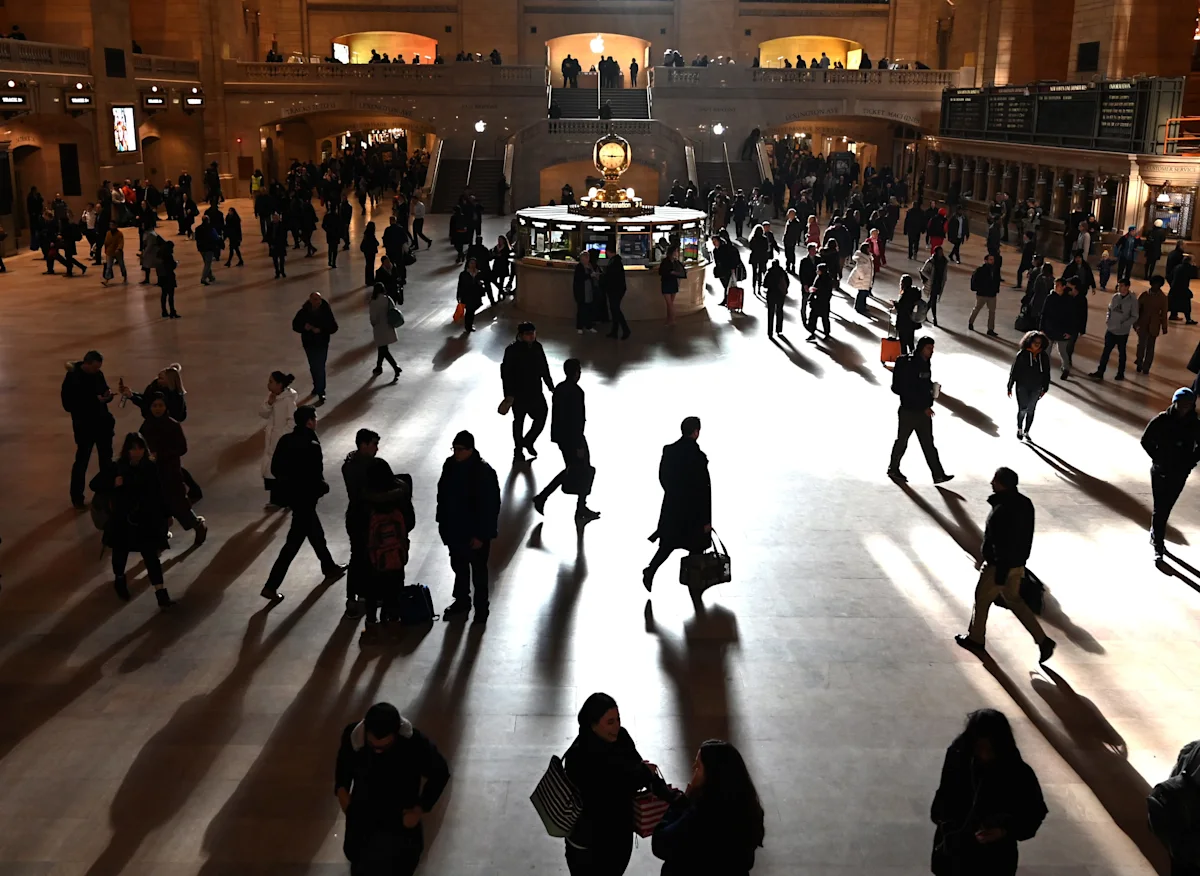
Americans will turn their clocks back one hour on Nov. 1 after Congress adjourned without passing legislation that would end the nation's twice-yearly time change.
Despite pressure from President Donald Trump and growing public support for ending clock changes, lawmakers have yet to send the Sunshine Protection Act to the president's desk.
For now, federal law remains unchanged, and most Americans should prepare to turn their clocks back one hour on Nov. 1.
Here's what you need to know about daylight saving time.
When does daylight saving time end in 2026?
Daylight saving time ends at 2 a.m. local time on Sunday, Nov. 1, when clocks move back one hour to 1 a.m.
The change marks the return to standard time and gives Americans an extra hour of sleep. It also brings earlier sunsets and more morning daylight as winter approaches.
Under current law, daylight saving time begins on the second Sunday in March and ends on the first Sunday in November.
Why are Americans still changing their clocks?
The answer is simple: Congress has not yet changed the law.
The Sunshine Protection Act , which would make daylight saving time permanent and eliminate the twice-yearly clock changes, passed the House in July by a 301-117 vote. But the legislation has stalled in the Senate, the final hurdle before it could reach Trump's desk.
Lawmakers left Washington before taking up the measure, leaving the existing system intact.
As a result, clocks across most of the country remain on track to fall back Nov. 1.
Trump has repeatedly urged Congress to end the twice-yearly clock change and keep the nation on daylight saving time year-round.
"Republicans in the Senate have to get moving on what I call the ' No More Changing of Clocks Act ,' officially known as The Sunshine Protection Act," Trump wrote in an Oct. 2 post on Truth Social.
Calling the current system "ridiculous," Trump argued that changing clocks twice a year is costly, stressful and unpopular with the public.
"People don't want to go around changing their Clocks anymore and, besides, far and away, most people like having an hour of extra sunlight in the evening, rather than in the morning," he added.
Everything he said: Trump on daylight saving time
Are Republican lawmakers split on permanent daylight saving time?
Despite Trump's support, several Senate Republicans remain unconvinced.
Sen. Tom Cotton of Arkansas has said that while he dislikes changing clocks, Congress previously experimented with permanent daylight saving time only to reverse course after many Americans objected to extremely late winter sunrises.
Senate Majority Leader John Thune has also expressed skepticism, telling Politico on Oct. 5 that there is " no clear path forward " for legislation to make daylight saving time permanent.
Sen. Roger Wicker of Mississippi raised similar concerns, citing safety issues in northern and rural states where children could be waiting for school buses in darkness during winter mornings.
That opposition has become a significant obstacle for legislation that appeared to have momentum earlier this year.
Polls suggest many Americans support ending the practice.
A 2023 YouGov survey found 62% of Americans favored ending the time changes. A January 2025 Gallup poll similarly found that 54% wanted to eliminate the practice.
Yet Americans remain divided on what should replace it.
Some support permanent daylight saving time, which would provide more daylight in the evening. Others favor permanent standard time, which would bring more morning sunlight during winter months.
The debate gained additional attention in March 2025 when Elon Musk , then leading Trump's Department of Government Efficiency, conducted a poll on X asking users whether they preferred clocks staying an hour earlier or later if the changes were eliminated.
More than 1.3 million users responded, with 58% favoring later daylight and 42% preferring earlier daylight.
Is permanent daylight saving time actually a good idea?
While many Americans agree they dislike changing clocks twice a year, experts remain divided on whether permanent daylight saving time is the answer.
Sleep researchers generally agree that switching clocks can disrupt circadian rhythms and affect sleep. But many experts argue that permanent standard time would be healthier than permanent daylight saving time because it aligns more closely with the body's natural clock.
Christopher Barnes , a professor at the University of Washington's Foster School of Business, said daylight saving time's appeal often comes from the promise of brighter evenings.
"A lot of people seem to like daylight saving time because there is more daylight available in the evening, and they envision themselves having many evening barbecues outside that they may enjoy," Barnes told USA TODAY.
But he warned that permanent daylight saving time could create long-term circadian misalignment for many Americans.
"The high prevalence of permanent circadian misalignment that permanent daylight savings time would produce would be bad for sleep and health outcomes," Barnes said, adding that sleep disruptions are linked to lower workplace engagement, reduced performance, diminished creativity and other negative effects.
Do all states observe daylight saving time?
Several states and U.S. territories remain on standard time year-round :
Most of Arizona (except the Navajo Nation)
How did daylight saving time become law?
The Uniform Time Act of 1966 , signed by President Lyndon B. Johnson, established the framework for daylight saving time in the United States.
Only Congress can permanently change the nation's twice-yearly clock-changing system, though the U.S. secretary of transportation oversees its administration under federal law.
For now, neither has changed the current system.
Whether lawmakers ultimately choose permanent daylight saving time, permanent standard time or leave the current system unchanged, Americans are still set for one more clock change this year. Unless Congress acts, clocks across most of the country will fall back one hour at 2 a.m. on Nov. 1.
Contributing: Reuters; Bart Jensen, Zachary Schermele, Jorge L. Ortiz, Fernando Cervantes Jr., Emily DeLetter, Julia Gomez, Kinsey Crowley, USA TODAY
Saman Shafiq is a trending news reporter for USA TODAY. Reach her at sshafiq@usatodayco.com and follow her on X and Instagram @saman_shafiq7.
Topics in this story
Gathered from external sources. Rights to this text belong to whoever originally published it.