Attacks and threats against federal judges have spiked, and it threatens our democracy
If those in power continue attacking judges with violent words and images without consequence, we risk losing the founders’ design of judicial independence.
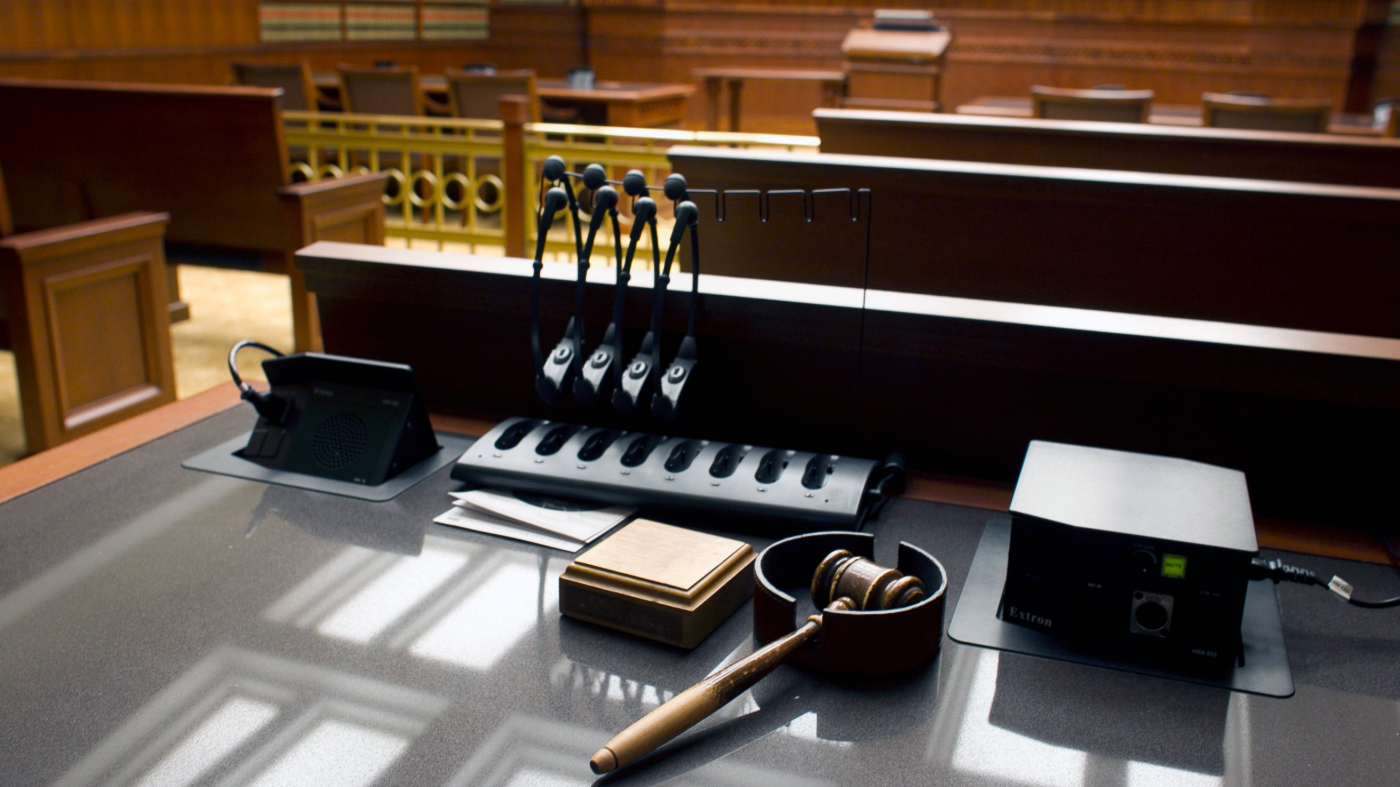
In the 10 years since I left my position as a federal district judge in the Southern District of New York, there has been an unprecedented spike in the threats and harassment targeting federal judges throughout the country.
I know from personal experience what it means to be the subject of violent threats just for doing my job. After one ruling, the U.S. Marshals began driving me to work. After another ruling, the press screamed that it would be my fault if New York City blew up due to a rise in crime.
But the environment surrounding attacks on judges is now far worse. The frequency and volume of harassment are at extreme levels. Judges I know are committed to upholding the rule of law despite these conditions, but they deserve better protection. They also deserve more respect from politicians, pundits and influencers, who have turned disagreement with a ruling into a barrage of violent rhetoric aimed squarely at the judges and their families.
In a recent Brennan Center for Justice report , 35 sitting and retired federal judges, myself included, spoke about their experiences with violent threats.
Take one striking example: After ruling against the Trump administration in a case related to immigration enforcement, a federal district judge received more than 700 threatening phone calls in chambers. The harassment went beyond the courthouse. The judge’s personal information was circulated online, including the floor plan of this judge’s home. The threats became serious enough that the judge’s family spent significant personal funds to strengthen home security, and their child’s school was compelled to increase the number of active shooter training sessions.
District judges appointed by both Democratic and Republican presidents have been on the front lines in upholding the rule of law, including halting illegal assertions of power by the president. Judges have seen their families threatened and lives upended for carrying out their constitutional responsibilities. Some have required protective details around the clock. According to data provided by the judiciary , “security incidents of significant concern” for judges increased by 57 percent in the 2025 fiscal year and are on pace to rise again this year.
Threats can turn to tragedy. Judge Esther Salas of the U.S. District Court for the District of New Jersey paid a high price for her work as a judge: In 2020, her family was targeted in a deadly attack that left her husband severely injured and her only son murdered.
Yet in the face of intimidation, federal district judges across the country, and coming from a wide array of judicial philosophies, continue to stand their ground, issuing rulings based solely on the law and the facts. I am proud of them and of our profession.
As any judge will tell you, fierce criticism is part of the job. During my tenure, I heard a case involving a Jordanian student named Osama Awadallah who was charged with making false statements before a grand jury investigating the 9/11 attacks on the World Trade Center.
When a jury acquitted Awadallah of all the charges, news headlines called me “ Osama’s Favorite Judge ,” playing off the defendant’s shared name with Osama bin Laden. My chambers received letters saying I should have died in the Twin Towers. Other colleagues hearing high-profile cases required full-time security details.
But as the Brennan Center report details, today’s threat landscape for judges is unprecedented. What once might have generated an angry letter can now become a social media post that goes viral and generates hundreds of threats. Judges’ addresses and other personal information are often easily found online.
Political leaders have often added fuel to the fire with inflammatory and irresponsible rhetoric, with then-Deputy Attorney General Todd Blanche saying the administration was at “war” with “rogue” judges, and Trump calling judges “ lunatics ” and “ monsters .”
One judge’s name and face was posted on a “wanted” poster in the halls of Congress . He was also “swatted” — someone called the police anonymously claiming the judge had barricaded himself in his house and murdered his wife to generate an armed response — and he received a fake pipe bomb threat in his mailbox.
If those in power continue attacking judges with violent words and images without consequence, we risk losing the founders’ design of judicial independence that once made our democracy the envy of the civilized world.
The courts should be the place where disputes are resolved peacefully — where the law rather than intimidation determines the outcome. If mounting threats and baseless impeachments influence who is willing to serve as a judge, how judges make decisions or whether their families can live safely, we risk allowing intimidation to infect the judicial process.
That is a price no democracy can afford.
Shira A. Scheindlin is a former judge of the U.S. District Court for the Southern District of New York.
Topics in this story
Gathered from external sources. Rights to this text belong to whoever originally published it.