Supreme Court blocks Missouri’s use of GOP-favored congressional map
The Supreme Court on Thursday blocked an order that told Missouri to keep implementing Republicans’ favored 7-1 congressional map, which sparked confusion about what boundaries would be used in the November election. By lifting that federal judge’s directive, it leaves in place a state court directive that tells elections officials to return to the existing…
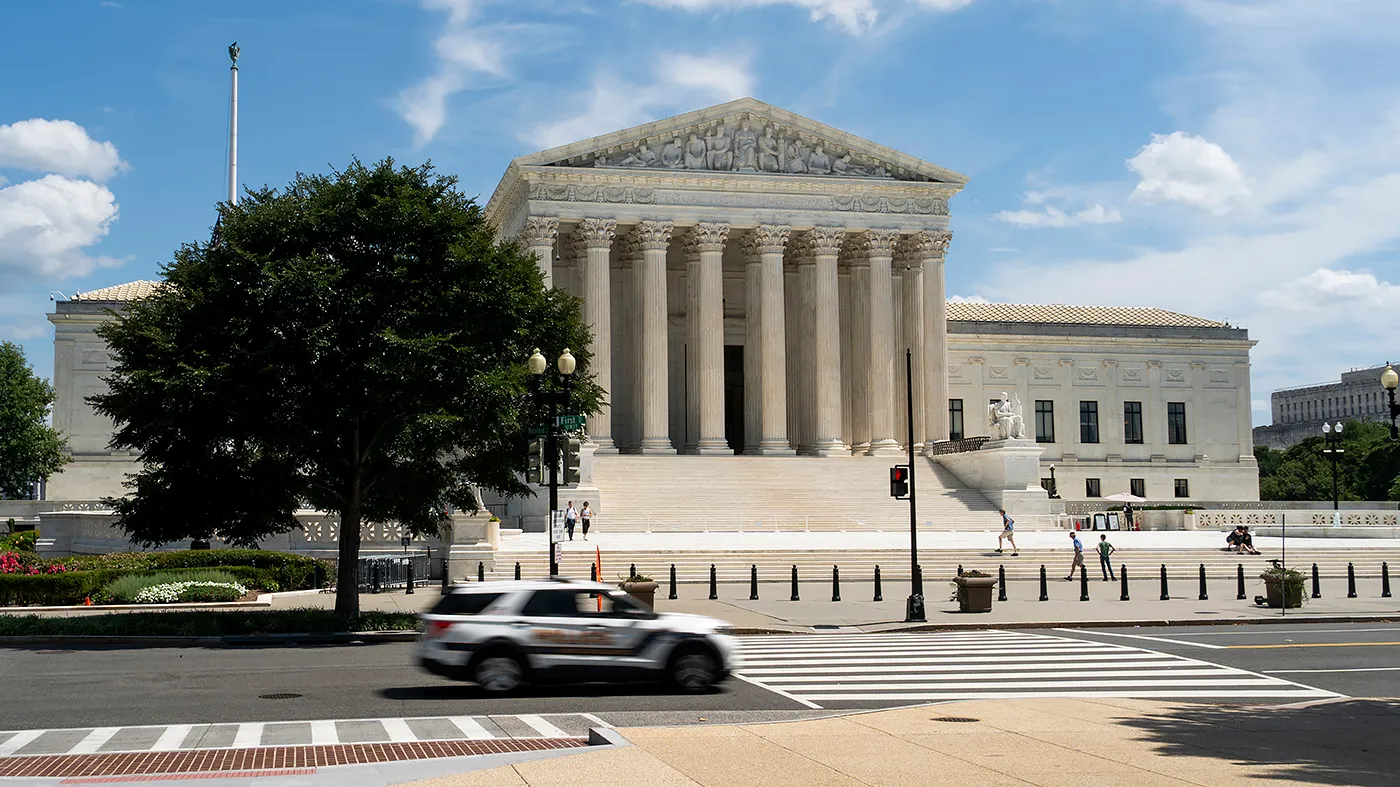
The Supreme Court on Thursday blocked an order that told Missouri to keep implementing Republicans’ favored 7-1 congressional map, which sparked confusion about what boundaries would be used in the November election.
By lifting that federal judge’s directive, it leaves in place a state court directive that tells elections officials to return to the existing map with a 6-2 split. The GOP had pushed for a pickup opportunity as part of the mid-decade redistricting war.
Missouri state leaders have said reverting would cause chaos, as they already conducted their primaries using the new map.
The Supreme Court did not publicly explain its decision, and no justice publicly noted a dissent.
Missouri Attorney General Catherine Hanaway’s (R) office warned the justices that blocking the map “would jeopardize Missouri’s ability to hold a timely election.”
“It would disenfranchise hundreds of thousands of Missourians who voted in the Primary. It would force election officials across the State to scramble,” her office wrote in court papers filed minutes earlier. “It would render political campaigns over the past year pointless. And it would leave all Missourians doubting the integrity of their elections.”
It marked the second round at the Supreme Court in less than a week for Missouri’s redistricting battle after the state’s top court ruled Republicans’ favored 7-1 map could not go into effect yet.
That state court’s decision instructed officials to return to the existing design, finding the Missouri Constitution allows a referendum organizer to put the new map to voters before it goes into effect.
But in a separate lawsuit, filed in federal court, a judge told state officials they should still move ahead with their new 7-1 map to avoid widespread voter confusion.
The competing rulings led to public confusion and rapid maneuvers in multiple courts to seek clarity. A contempt hearing is scheduled to take place in Missouri’s top court later Thursday morning.
As Missouri officials vowed to implement Republicans’ favored map, the referendum organizer quickly brought it to the justices in the nation’s capital, seeking an emergency intervention.
In his application filed a day earlier, he called the directive “legally baseless.”
Justice Brett Kavanaugh, an appointee of President Trump who by default manages emergency matters arising from Missouri, declined to get involved in the earlier state court case.
The new federal case raises distinct issues. This time, Kavanaugh referred it to the full court for a vote.
“Missouri Republicans have played their last card, and they lost,” Elias Law Group partner Abha Khanna, who represents the organizer, said in a statement. “Despite increasingly desperate tactics that threatened to throw this November’s election into chaos and drew a strong rebuke from the Missouri Supreme Court, it is now clear after two rejections from the U.S. Supreme Court that Missouri will not be allowed to ram through an egregious gerrymander before the voters have a say.”
Missouri warned the justices against intervening, arguing the referendum organizer has no legal standing to appeal and his arguments are legally meritless. They got the support of the Trump administration, which filed a written brief supporting the state.
“Applicants do not contest that—if Missouri’s congressional map changes—hundreds of thousands of Missourians will vote for candidates in the General Election that they never considered in the Primary Election,” the state wrote.
“Nor could they. That is exactly what they demand.”
Topics in this story
Gathered from external sources. Rights to this text belong to whoever originally published it.