Cornell allegations fuel bipartisan push for stronger sexual assault protections
Lawmakers across the aisle are pushing for stronger protections for sexual violence survivors after a former Cornell University student’s fraternity house gang rape allegations drew national attention last week. While the woman first accused the seven men of raping her for several hours at a fraternity house in 2024, the reports sparked a nationwide controversy…
Lawmakers across the aisle are pushing for stronger protections for sexual violence survivors after a former Cornell University student’s fraternity house gang rape allegations drew national attention last week.
While the woman first accused the seven men of raping her for several hours at a fraternity house in 2024, the reports sparked a nationwide controversy in September after she filed a lawsuit against the university and other allegedly involved parties — putting renewed focus on efforts in Congress to address sexual misconduct.
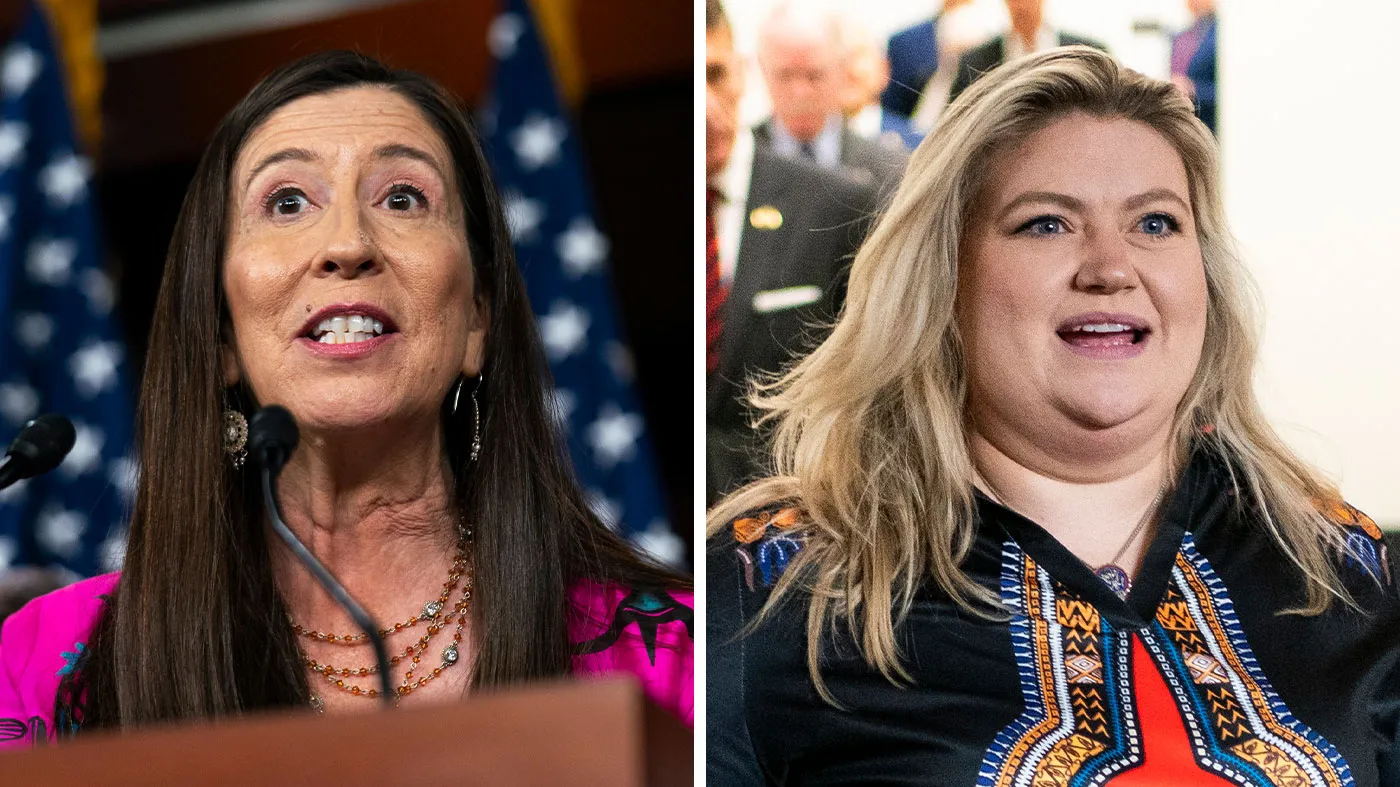
Reps. Teresa Leger Fernández (D-N.M.) and Kat Cammack (R-Fla.), chairwomen of the Democratic and Republican Women’s Caucuses, respectively, launched a bipartisan effort earlier this year to take on the issue within the Capitol. The effort came in response to several male lawmakers facing accusations of domestic abuse and dating violence, as well as inappropriate sexual contact and harassment toward female staffers.
The Cornell case is adding new urgency to those efforts , as lawmakers confront questions over whether existing policies adequately protect survivors and hold institutions accountable.
“The allegations at Cornell are deeply disturbing, and we need to make sure students are protected and perpetrators are held accountable. There are actions that can be taken at both the state and federal levels, including greater oversight and stronger protections for students,” Rep. Nicole Malliotakis (R-N.Y.) told The Hill in a statement.
“New York State should revise its current law to address the ‘voluntary intoxication’ loophole and instead consider the totality of the evidence, including cases where a victim is too intoxicated to consent. State and federal laws should complement each other to ensure victims have adequate protections. We should also ensure Title IX is being properly enforced and that institutions that repeatedly fail to investigate or report serious incidents are held accountable, including potentially putting federal funding at risk,” she added.
Rep. Mike Lawler (R-N.Y.) wrote on the social platform X Friday that he is “deeply disgusted and angered” by the Cornell allegations.
“Sexual assault is a crime, not a campus disciplinary matter. New York should require allegations to be immediately referred to qualified law enforcement for an independent investigation, with a special prosecutor when appropriate,” Lawler wrote. “Universities have a responsibility to protect their students and enforce their own codes of conduct, but they should not be the ones determining whether a potential crime occurred. Any of our daughters could be Jane Doe, and they deserve better. We need to make sure that anyone who commits sexual violence, and anyone who knowingly enables or conceals it, is held accountable.”
Cammack’s office declined to comment for the story.
This past week, the Education Department announced it had formally rescinded the Biden-era Title IX interpretation that gave sex-based discrimination protections to students on the basis of sexual orientation and gender identity.
Schools must now go back to the Title IX code as held under the previous Trump administration in 2020, a pivot the department said will protect women’s sports. But critics have argued the move would only weaken protections for sexual assault victims.
Democrats, in particular, have bashed the Trump administration’s rollback of Title IX protections. Rep. Deborah Ross (D-N.C.), policy task force co-chair of the Democratic Women’s Caucus, told The Hill that the Trump administration “has now made it harder for victims of sexual assault on college campuses to get justice” with its adjustment to sex-based discrimination law.
She continued, “That is no surprise because they have been cutting education funding, cutting sexual assault and domestic violence funding and really doing a disservice to people who are victims for this entire administration.”
“But I think that is where we need to shine the biggest light because this happened on a college campus. And if those new Title IX regs went into effect, and if the funding for Title IX enforcement went into effect, and if allowing dual prosecutions was continuing, that would give a remedy to sexual assault survivors.”
The Democratic Women’s Caucus in January released its first “Women’s Safety Legislative Slate,” a package of bills aiming to create new support programs for sexual violence survivors and gender-based violence prevention initiatives, among other matters.
Ross also highlighted a bill she introduced alongside Reps. Ayanna Pressley (D-Mass.) and Leger Fernández, dubbed the Survivors’ Rights Restitution Act. The legislation would “create a restitution fund in the judicial branch for survivors of sexual violence whose rights were violated by the federal government,” according to a Sept. 15 press release.
“Believe me, we are taking this seriously, and I think the whole situation with the Epstein survivors is something that has brought the nation’s attention to this issue in a bipartisan way,” Ross said.
Leger Fernández told The Hill in a statement that the Democratic Women’s Caucus “has been sounding the alarm on the pervasive culture of sexual violence for years.”
“We stand with Jane Doe and hope her case is a turning point for Republicans in Congress. Women’s safety in workplaces, the military, and college campuses are under threat; the least Republicans can do is condemn what took place at Cornell and work with us to enact stronger and more robust Title IX protections for student survivors,” Leger Fernández continued.
When asked by NBC whether he thinks Cornell has done enough to investigate the alleged rape, President Trump said, “I don’t know that much about it, but Cornell’s a fine school. I’m sure they’ll do what’s right.”
Trump also criticized the Thursday appointment of New York Attorney General Letitia James (D) as a special prosecutor investigating the Ivy League school’s rape case, arguing that “whoever she’s looking at … won’t get a fair shake.”
Along with its chair, another Republican Women’s Caucus member, Rep. Julie Fedorchak (N.D.), held off on commenting on the Cornell Controversy — her office telling The Hill they will “wait to comment as there is an ongoing and active investigation.”
Still, Ross said she expects some of the sexual assault prevention bills introduced by her colleagues to garner bipartisan support and is looking to the lame-duck period for opportunities to advance those efforts.
“Between now and when we come back after the election, we will have to see which bills may get a hearing and could move forward, and which bills we might want to try to do a discharge petition on, and which bills will just be part of our slate and our agenda for the next Congress,” Ross said.
Lexi Lonas Cochran and Julia Manchester contributed to this report.
Gathered from external sources. Rights to this text belong to whoever originally published it.