Kennedy Center’s Finances Faced ‘Doomsday’ Collapse After Name Change, Report Reveals, Despite Trump’s Alternate Narrative
Officials project a $23 million deficit for the fiscal year
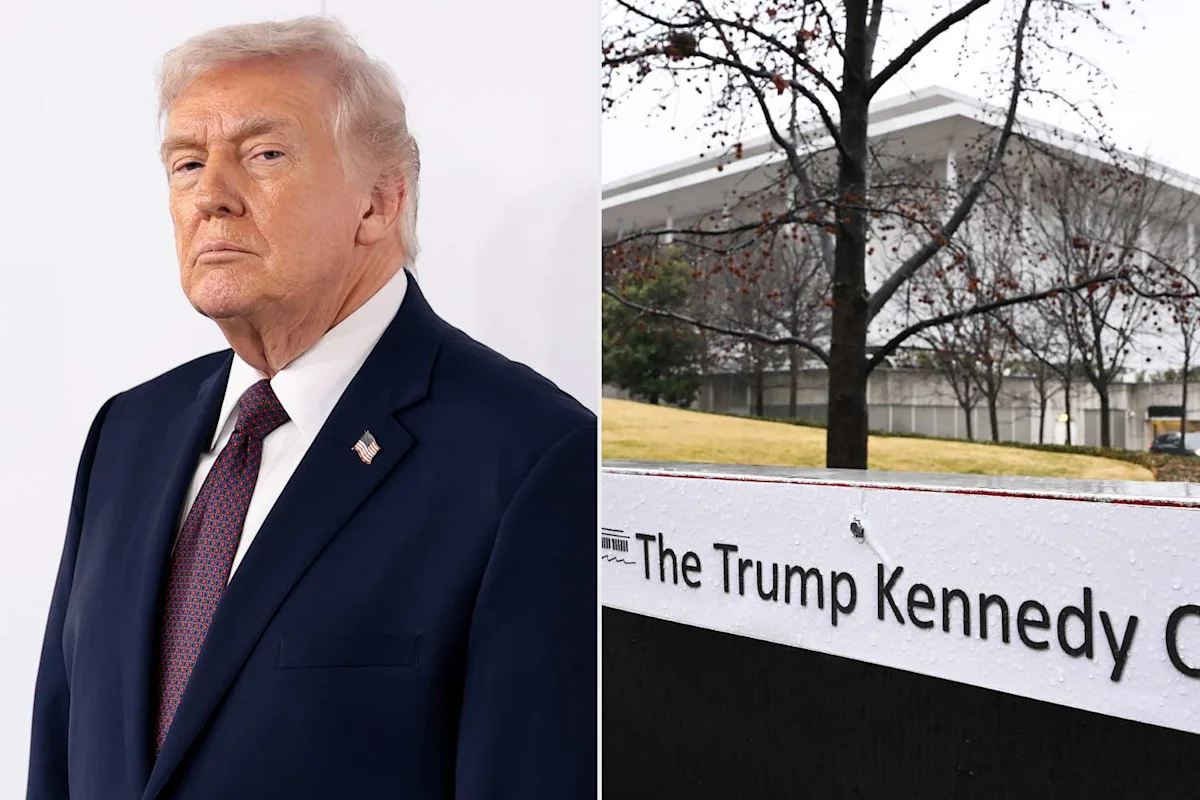
The Kennedy Center faced a $23 million deficit after its name was changed to honor Trump, internal records obtained by The Washington Post show
Ticket sales, donations, and artist participation reportedly plummeted following Trump's takeover and the controversial renaming
The Trump administration claims his involvement secured funding and proposed demolishing the center if renovations aren't completed
A new report paints a far more dire picture of the Kennedy Center's finances following its controversial name change, challenging the narrative presented by President Donald Trump and his administration.
The Kennedy Center's financial problems worsened significantly after Trump took control of the institution and intensified after the center was renamed for him, according to internal financial records obtained by The Washington Post .
Ticket sales had already been declining in the months following Trump's takeover, but records show both ticket revenue and donations fell sharply after the Trump-appointed board voted in December to add his name to the building, per the report.
Internal projections prepared shortly after the name change reportedly showed just how steep the decline had become. The center was on track to fall nearly $100 million below its revenue goal, even after cutting expenses, with officials projecting a $23 million deficit for the fiscal year.
The documents, including internal budgets, financial forecasts board records, offer the most detailed look yet at the center's finances since Trump replaced much of its board and installed himself as chairman. One official described the period after the takeover as a major financial blow that initially appeared to stabilize, only for the situation to deteriorate dramatically following the name change.
"It was just an absolute fiscal cliff," the official said. "Donors disappeared, ticket sales disappeared, artists disappeared — like it was doomsday."
Andrew Taylor, an American University professor of arts management who reviewed the records, called the financial decline "a nosedive," saying Trump's takeover caused a "catastrophic drop in revenue."
The Kennedy Center, however, pushed back on that characterization, blaming its financial troubles on years of mismanagement under previous leadership. The center also said Trump's name helped attract new donors and funding for renovations, while noting that its proposed fiscal 2027 budget is balanced.
The reports come after the Trump administration argued in a new court filing that the building may need to be demolished if Trump isn't able to complete his desired renovations.
"Without those efforts, the Center will deteriorate further into an unsafe, decrepit structure that will be required to be taken down, with a determination to follow on what to build on the site, such as a large outdoor amphitheater overlooking the Potomac River that has been proposed, by some, for many years," the administration argued in the filing.
Never miss a story — sign up for PEOPLE's free daily newsletter to stay up-to-date on the best of what PEOPLE has to offer, from celebrity news to compelling human interest stories.
"Such a replacement will fail to adequately honor President John F. Kennedy, but would be simpler and more economical to build, operate, and maintain," the administration added in the filing.
The administration has also pointed to Trump's efforts to bolster the Kennedy Center's finances, including securing $258 million in congressional funding for capital restoration and helping develop what it described as "a new donor base."
In the court filing, the board argued that Trump's involvement was critical to the institution's financial future, claiming that without the administration's backing and the president's fundraising efforts, the center would remain caught in what it called a "financial and structural death spiral."
Topics in this story
Gathered from external sources. Rights to this text belong to whoever originally published it.