Army plans to proceed with lead azide detonation despite indefinite pause
The U.S. Army is planning to proceed with its detonation of lead azide despite a federal court ordering an indefinite pause by invoking the emergency munitions and explosives exclusion, according to new court filings. “The Army must perform a controlled detonation to protect the public from the more significant threat from an uncontrolled explosion, and…
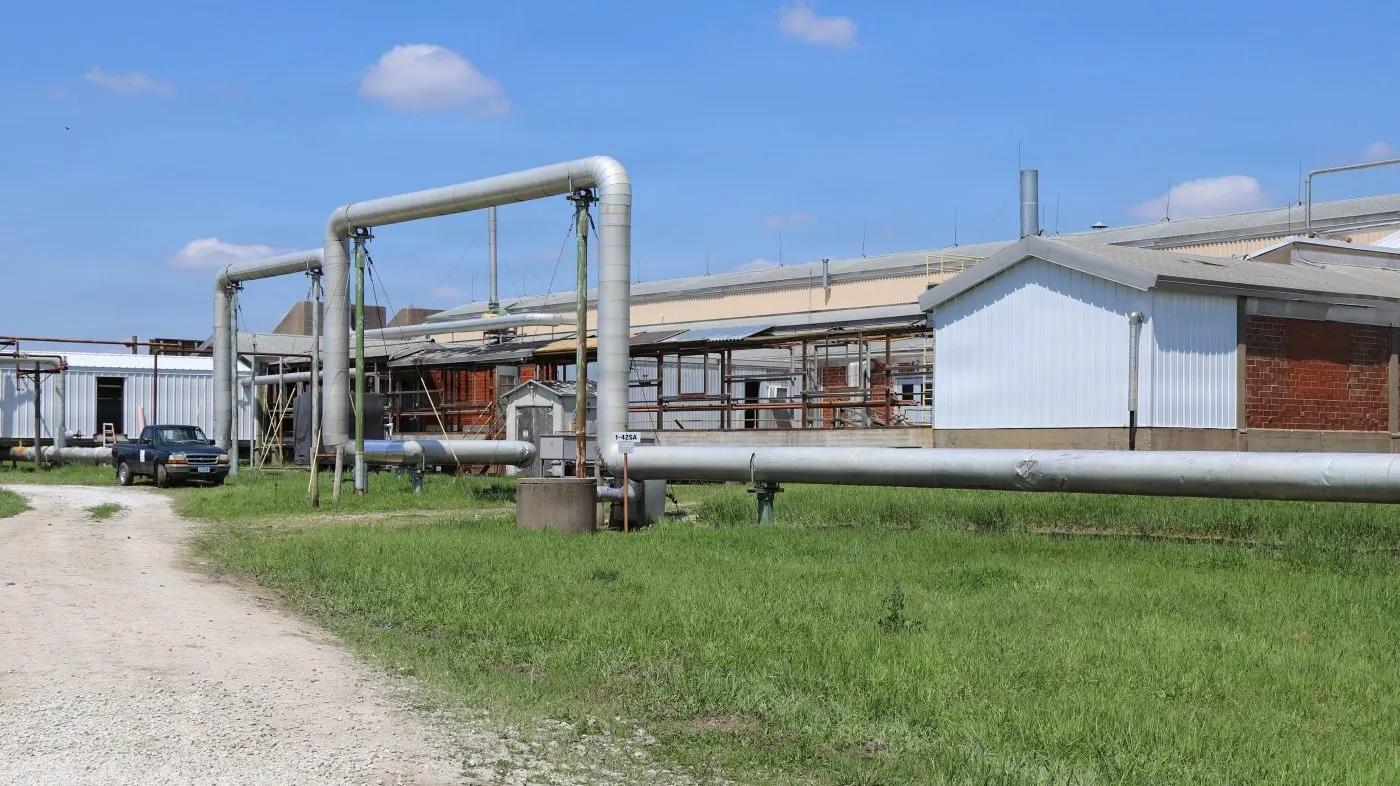
The U.S. Army is planning to proceed with its detonation of lead azide despite a federal court ordering an indefinite pause by invoking the emergency munitions and explosives exclusion, according to new court filings .
“The Army must perform a controlled detonation to protect the public from the more significant threat from an uncontrolled explosion, and the Army intends to act by November 24,” lawyers for the Department of Justice (DOJ) wrote.
The Army initially planned two detonations of more than 60 barrels of lead azide at the Iowa Army Ammunition Plant, but a federal court halted the planned explosion Friday. At the time, environmental groups stressed that the activity could expose thousands of families in the surrounding communities to toxic dust.
BestReviews is reader-supported and may earn an affiliate commission.
The detonations were rescheduled to Monday, though the 8th U.S. Circuit Court of Appeals granted another emergency motion to indefinitely pause the explosions.
In new court filings, the DOJ argued that it didn’t need to follow the blocks due to the public safety risks the barrels of lead azide pose if left undetonated.
“To protect its personnel and the surrounding communities, the Army needs to take swift action,” the attorneys asserted. “Protection of human health and the environment demand action now, not delay.”
The initial complaint , filed by the Iowa Environmental Council and the Sierra Club Iowa Chapter, stated that the detonations would release elevated levels of lead dust into the air that could extend 100 miles north of the ammunition plant, leaving it to linger in “yards, gardens, and play areas” for years to come.
Inhaling or swallowing lead is highly dangerous to animals and humans, particularly children, and can pose serious health risks, according to the Environmental Protection Agency (EPA). There are no known safe levels of exposure.
On Friday, the Army stated it was coordinating with Health and Human Services (HHS) and the EPA to ensure “controlled detonation in Middletown, Iowa is conducted in the safest fashion possible.”
“Officials have been meticulously planning for this event since March, and all agencies involved are prepared to take the most extreme mitigation measures available to ensure there is no risk to the public and any disruptions are minimized,” the agencies wrote in a joint statement .
Topics in this story
Gathered from external sources. Rights to this text belong to whoever originally published it.