House Republicans press Trump trade official over beef imports, Canada
U.S. Trade Representative Jamieson Greer faced questions from Republican lawmakers during a closed-door meeting Wednesday about the Trump administration’s trade stalemate with Canada and its controversial decision to lower beef import tariffs. Greer attended a regular weekly lunch meeting with Republicans to discuss various parts of the administration’s trade agenda, a discussion that comes as…
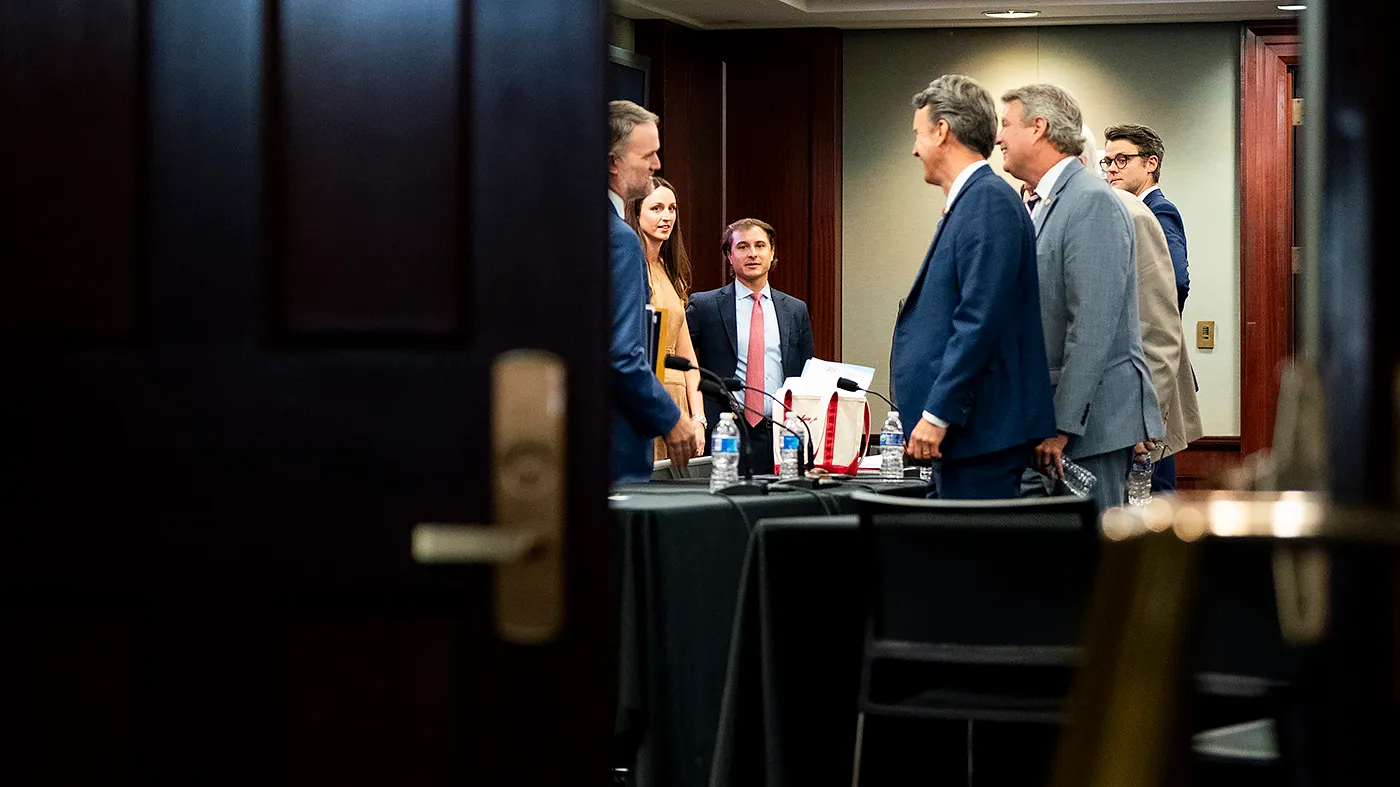
U.S. Trade Representative Jamieson Greer faced questions from Republican lawmakers during a closed-door meeting Wednesday about the Trump administration’s trade stalemate with Canada and its controversial decision to lower beef import tariffs.
Greer attended a regular weekly lunch meeting with Republicans to discuss various parts of the administration’s trade agenda, a discussion that comes as many members of Congress, including Republicans, have been unsettled by both moves.
President Trump temporarily suspended some tariffs on imported beef in August, opening the door for hundreds of thousands of tons of foreign beef to be sold cheaply in U.S. markets. Ranchers and even Trump’s allies in Congress from cattle-heavy states pushed back .
“Yeah, there are members that, you know, the cattle industry is concerned,” Rep. Eric Burlison (R-Mo.) said.
Burlison said Greer offered reassurances to lawmakers that the White House is open to making sure imported beef is properly labeled with its country of origin. U.S. beef producers believe many Americans will want U.S. beef over the imports if they can clearly see the difference.
“One of the questions was about what’s the country of origin, are we going to have country-of-origin labeling?” Burlison said. “And the administration is very open to doing that. They just feel like Congress should take that step, and then they will implement it.”
Mandating country-of-origin labels, which are currently voluntary, would require congressional action.
Rep. Troy Downing (R-Mont.), in an interview with NewsNation earlier Wednesday, suggested that Trump should have discussed the beef import plan with stakeholders and members before announcing it.
“That’s already affected the market,” Downing said. “So really what we need to do is have, you know, serious conversations with the administration before making decisions like this.”
Other industries hit hard by tariffs also came up in the meeting between Republicans and Greer on Wednesday.
Rep. Tim Burchett (R-Tenn.) told reporters after the meeting that many members were asking questions about how tariffs affecting their local industries were going.
“Everybody was asking regional questions,” Burchett said. “Everybody, you know, cattle, timber, some other form of agriculture that was affected. Wine was brought up.”
Rep. Kevin Hern (R-Okla.) said Greer provided an update on how tariffs were working in different parts of the world.
“He just talked about how tariffs are working in areas and how we need to continue moving, making sure the America First agenda is applied globally,” Hern said.
Members said the trade war with Canada was also a topic of conversation during the meeting.
Canada has imposed reciprocal tariffs that will affect industries in a number of states, including several states that are hosting tough midterm races for Republicans. Those reciprocal tariffs — on a range of sectors including steel, dairy, appliances, pulp and paper — are scheduled to take effect Sept. 8.
Republicans, after talking to Greer, generally affirmed the White House’s narrative that Canada dropped a good deal with the U.S. to avoid pressure from Canadian voters who are unhappy with any bowing to Trump.
Allies of Canadian Prime Minister Mark Carney, who rejected the U.S. deal and has battled with Trump, swept three special elections Tuesday night, underscoring the anti-Trump sentiments in Canada.
“I think Ambassador Greer made a great deal, great proposal to Canada,” Rep. Adrian Smith (R-Neb.) said. “They turned it down for domestic political reasons, my speculation, and certainly wasn’t based on economic reasons.”
Canadian officials have argued they turned down the trade deal because it put too much of a burden on Canada. They specifically criticized U.S. proposals that would have targeted protections for French-language programming in Canada. U.S. officials have argued they were willing to be flexible on that sensitive issue.
Burlison also said it seemed to him that the Carney government changed its mind to avoid getting walloped in the elections. There are more local elections in Canada throughout October.
“He said that they felt political hate from their constituents that they had given into the United States. That’s the reason,” Burlison said. “But the problem is that he gave a great deal, like the point he was making is, the deal is not going to get better.”
Topics in this story
Gathered from external sources. Rights to this text belong to whoever originally published it.