Keep kratom opioids out of our stores
The easy, unrestricted access to kratom opioids should concern every American.
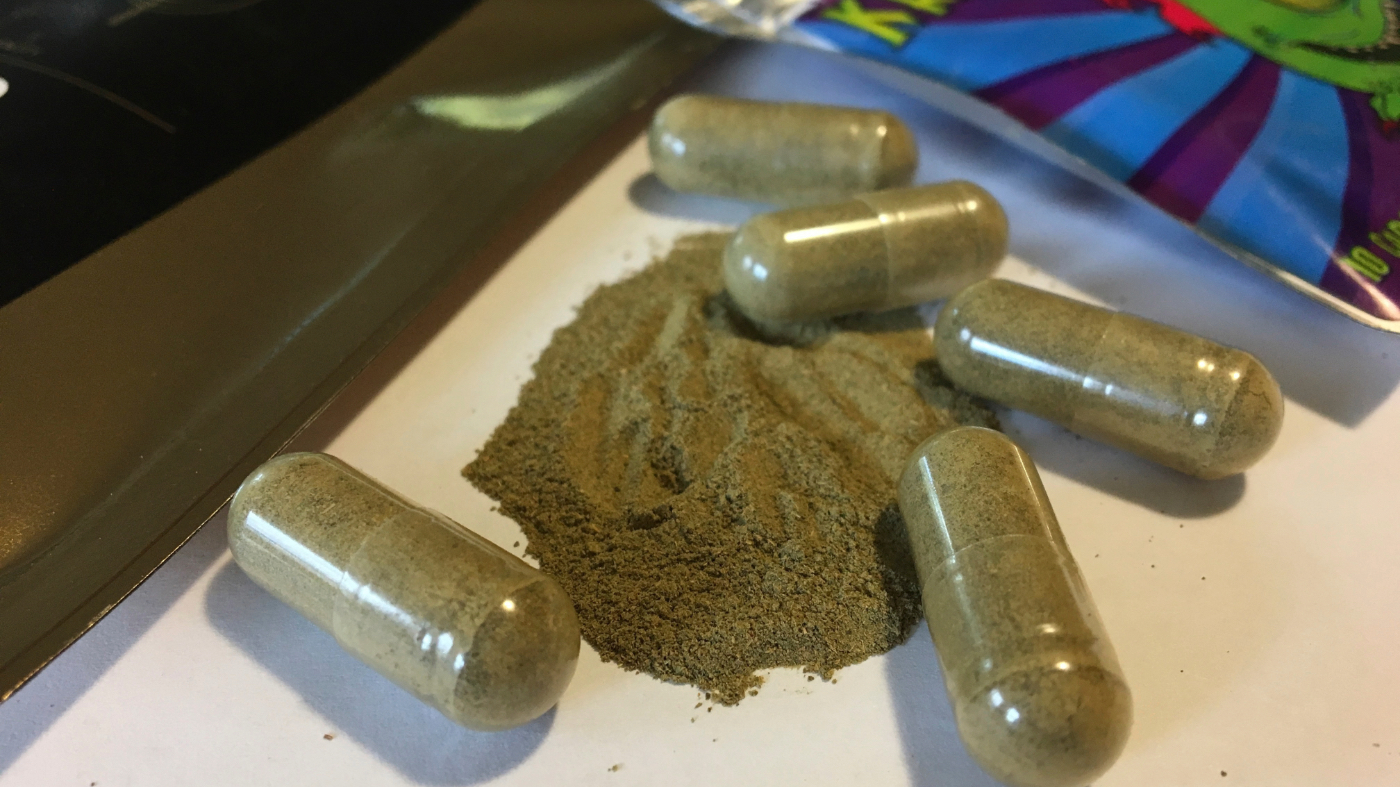
Walk into almost any gas station in America and look at the counter by the cash register. Next to the candy and beef jerky, you may find gummies, tablets and small drink bottles labeled “kratom.” Go to the refrigerated section where they sell sports drinks and you’ll see the same. The packaging is often colorful and cartoon-like. Some products come in fruit flavors. Many carry the word “natural” or “organic” on the package.
But inside many of these products is anything but natural or organic — they are concentrated, lab-made, synthetic opioids sold under the kratom name. A more accurate name for them is “kratom opioids.”
Natural kratom comes from the leaves of a tree that grows in Southeast Asia. These leaves contain chemicals that affect the brain, and people have chewed and brewed them for centuries.
But today, unscrupulous manufacturers are extracting the active ingredient from kratom leaves and chemically transforming them into far more potent substances. These products are often sold through the same retail channels that once sold dangerous synthetic drugs such as K2 and Spice — with the same tragic results.
The main kratom opioids found in gas stations are 7-OH and MGPI. Unlike kratom leaves, these lab-modified products can have powerful opioid effects that make them more addictive. The Food and Drug Administration has called 7-OH “an opioid that can be more potent than morphine,” and warns these products may be especially appealing to children and teenagers. And yet, in 15 states , there are currently no regulations for kratom opioids. Nothing stops a teenager from walking into a local neighborhood store and buying them.
So, why are leaders of United Against Fentanyl — an organization built by families who lost their teenage and adult children to fentanyl — talking about kratom?
Our most difficult challenge has never been sharing the facts about fentanyl. Although continued prevention efforts are needed, most families know that powders and pills sold by a drug dealer, or via social media, often contain fentanyl. However, many families are not aware that another opioid is today legally available to their kids at neighborhood gas stations and vape shops. These kratom opioids, dangerous on their own, can also lead to fentanyl use.
We have seen this before. A new product arrives at local retail stores. The name seems harmless — spice, K2, bath salts. They are cheap and easy to buy, and someone in a teen’s circle of friends may have already tried them. At first, there are few signs of trouble. But over time, they lead to addiction, overdose and even death.
The easy, unrestricted access to kratom opioids should concern every American. These dangerous products do not come from a street dealer or the dark web. They come from a store down the street, in a package that says it’s natural. Marketers claim “it’s just a leaf” with little to no risk.
Kratom is big business. U.S. poison control centers kratom reports increased 1,200 percent from 2015 to 2025, including 233 deaths. This report highlighted a very rapid growth in kratom exposure in 2025.
The Drug Enforcement Administration is right to act. In October, it issued a notice of intent to place concentrated 7-OH and MGPI in Schedule I, the strictest category of federal drug control. The final order could take effect as soon as this month. It is a good start, but scheduling these two substances alone will not end the threat. Congress must act.
The End Gas Station Heroin Act would ban concentrated 7-OH and MGPI, and crucially, would also cover any other synthetic or semi-synthetic opioid that is more potent than morphine. Banning a whole class of drugs based on their physiological effects, instead of an endless game of chemical whack-a-mole, helps the nation get ahead of the next threat.
The bill does not affect the sale of unaltered kratom leaf, nor does it punish people for personal possession. Rather, it targets their stronger, synthetic offshoots that are causing considerable harm to families around the country.
States do not have to wait for Congress. They should set strict age and potency limits. Store owners should take kratom opioids off their shelves. And parents should discuss the dangers of kratom opioids with their children.
The reality is that kratom opioids are harmful. They are making more people dependent on opioids. These dangerous kratom opioids must be removed from retail stores. Families suffered when we were slow to act on other dangerous drugs. Let us not make that mistake again with kratom.
Richard Baum is a former acting director of the White House Office of National Drug Control Policy and serves on the board of United Against Fentanyl. Paul Martin leads Kratom Watch and is the founder and CEO of United Against Fentanyl .
Topics in this story
Gathered from external sources. Rights to this text belong to whoever originally published it.