JD Vance is right about stay-at-home parents — but his solution is all wrong
Vance is right that parents should have more opportunities to spend time with their young children. But instead of paying people not to work, why not give businesses stronger incentives to make it easier for working parents to stay home when they need to?
Should the federal government pay parents to stay at home so they can better raise their children?
The Trump administration thinks so, and is working on plans to allow a stay-at-home spouse to collect as much as $9,000 per child each year, depending on their economic circumstances, from funds potentially available from the Health and Human Services Department.
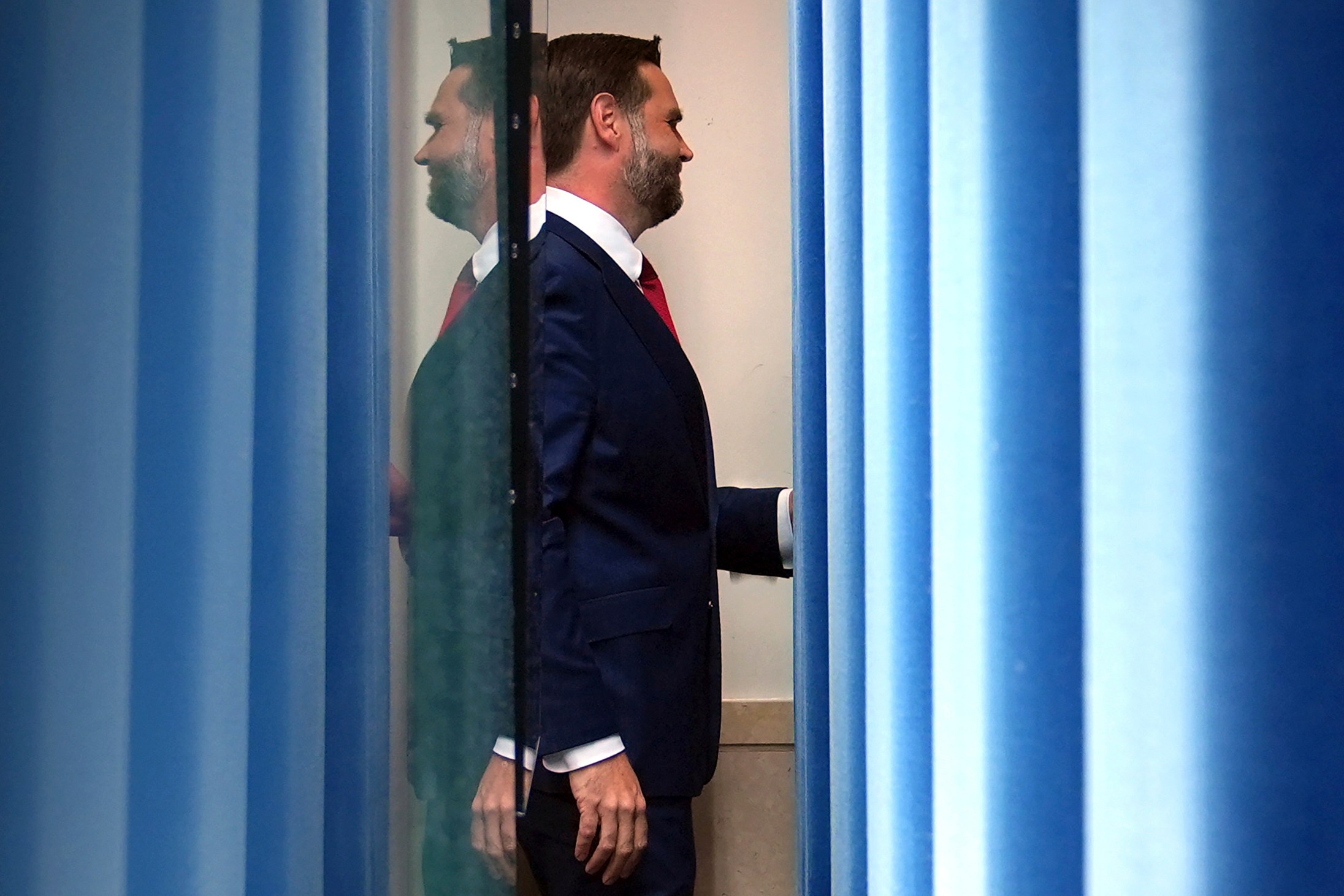
The driver of the program appears to be Vice President Vance, who has long championed more traditional family values where parents and “young children are clearly happier and healthier when they spend the day at home with a parent.”
Vance is right that parents should have more opportunities to spend time with their young children. But instead of paying people not to work, why not give businesses stronger incentives to make it easier for working parents to stay home when they need to?
Sorry if I sound so cynical, but like so many government programs, this one will almost certainly be abused.
Federal programs have had a long history of fraud, stretching from welfare, Medicare, housing and farming subsidy overpayments to the awards of food stamps, school lunches, unemployment and, most recently, COVID payments to people who did not qualify or simply swindled the government. Do we have any doubt that this handout will suffer the same consequences?
And who’s going to enforce this new program? The federal government, whose workforce has shrunk 10 percent since President Trump took office? And who will be eligible? Mothers? Fathers? Aunts? Uncles?
Good luck figuring that out — and then stopping the payments once they have started.
The $12 billion fund that Vance is targeting would mostly be distributed to states, which would then provide the funding for dependent care facilities, providers and assistance. I’m sure that’s not being abused either, right? We’ve already learned, thanks to the investigative work of some independent journalists like Nick Shirley, that most local governments not only have insufficient resources to distribute, monitor and enforce these programs but that some politicians in certain states — hello, Minnesota and California — may have, allegedly, turned a blind eye to funds being distributed to communities that could provide them with votes.
It’s interesting that the Trump administration, a vocal backer of free markets, would put forth a program that is so much the antithesis of capitalism. At a time when many employers complain they can’t find enough workers, should taxpayers be paying some workers to leave the labor force?
If you choose to have kids, you have to make hard choices. Do both Mom and Dad have to work? If they want to afford private schools, summer camps, eating out, Netflix, Disney vacations or car leases, then sure. Good for them. We live in a great country with a high standard of living. But do the taxpayers have to pay for these choices?
Our political leaders need to make choices, too. Who doesn’t like to get paid to stay at home with our kids? But aren’t there other, more pressing priorities for our taxpayer funds? Paying down the deficit? Providing more for the military? Saving Social Security and Medicare? Reducing health care costs? Building better roads? Better schools?
Why not take the funds that the vice president wants to spend on his stay-at-home program and put it toward those pressing needs? As much as we like to think it does, our government does not have a bottomless pit of money. I’m not sure I’d put this at the top of my list of priorities.
What’s more, we already have a number of government-funded tax benefits to encourage child care.
There is a generous individual and family tax credit , which was just expanded in last year’s One Big Beautiful Bill Act. Employers get credits for providing or referring employees to day care facilities, as well as deductions for providing flexible spending accounts that can be used for dependent care.
There are tax savings for putting money into 529 plans and then using those funds for home-schooling. There is a tax credit for employers to pay people who take family leave, which was just made permanent. Many states require employers to provide paid leave for their employees. The federal government requires employers with more than 50 workers to provide unpaid leave (and hold their jobs for when employees return).
But this isn’t Vance’s priority or passion. His priority is that parents stay at home with their kids and not defer the responsibility to a child care provider. Fair enough. So instead of giving handouts for people to stay at home, wouldn’t a better approach be to expand incentives for employers?
Tax credits and deductions to pay for dependent care are fine, but I agree with Vance that there’s no better care than what a parent — at least, most parents — can provide. To that end, it would be more beneficial to explore enhanced credits for employer-funded paid parental and family leave, incentives for flexible or reduced schedules after childbirth, credits for employer-supported child care, and incentives for remote/hybrid arrangements where the job permits them.
Don’t pay parents not to work. Give employers a reason to make it easier for parents to work and raise their children at the same time.
That way people still have incentives to work and employers have the incentive to attract and retain talent. Flexibility, whether it’s working from home or expanded paid-time-off programs, is a top benefit request for most employees.
Vance isn’t wrong that young children benefit from spending more time with their parents. The question is who should pay for it and how. Instead of creating another government benefit that rewards people for leaving the workforce, we should give employers stronger incentives to provide the flexibility that lets parents remain in it.
Gene Marks is founder of the Marks Group, a small business consulting firm.
Topics in this story
Gathered from external sources. Rights to this text belong to whoever originally published it.