Attorneys warned of difficulty accessing Christa Pike’s veins: Report
Christa Pike regained consciousness and was speaking days after receiving two doses of execution drugs.
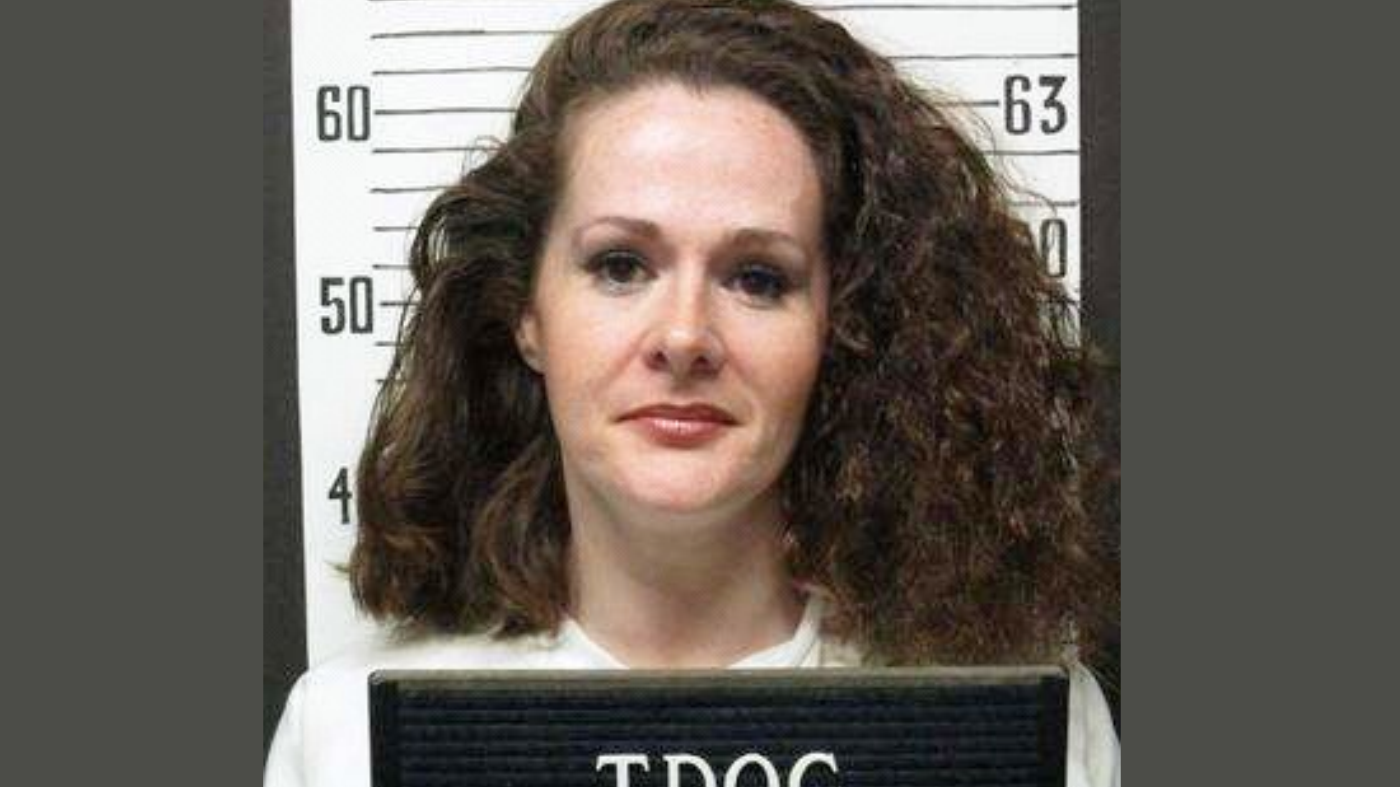
( NewsNation ) — Christa Pike’s former lawyer says her legal team had warned of problems accessing her veins prior to her botched execution in Tennessee, according to multiple reports.
“Well, I can’t say I’m surprised,” James Crowson, who previously represented Pike, told The Guardian . “I knew that there were a number of defense filings saying that she had compromised veins, and that was going to be a difficult and perhaps cruel procedure for her because it was going to put her at risk for exactly what happened.”
Last week, Pike, 50, regained consciousness and was speaking days after receiving two doses of execution drugs.
Her attorneys called her recovery “medically unprecedented” after she was placed on a ventilator following the bungled Sept. 30 attempt to make her the first woman put to death in Tennessee in 200 years. On Wednesday, they said the inmate was confused, “speaking limitedly,” and could not move her arms, one of which had a blood clot.
Pike, who was convicted in the 1995 torture and killing of classmate Colleen Slemmer, is the only person to survive after receiving lethal injection drugs during an execution, according to the Death Penalty Information Center (DPIC). Many details of the execution process remain secretive, and Tennessee officials say they are investigating what went wrong.
Previous Tennessee execution warning signs
Tennessee’s executioners had difficulties earlier this year with IV lines for another execution, leading to it being called off.
In May, state officials called off the lethal injection of Tony Carruthers, who was convicted of kidnapping and murdering three people in 1994, after his executioners tried and failed for over an hour to establish an intravenous line. Gov. Bill Lee (R) announced soon afterward that the state would not try again for at least a year.
Since 2009, six other prisoners in three states — Alabama, Idaho and Ohio — have had executions halted because of difficulties establishing an IV, according to the DPIC.
The Associated Press contributed to this report.
Topics in this story
Gathered from external sources. Rights to this text belong to whoever originally published it.