How Meta got away with a $17.1 billion slap on the wrist
The lesson: don’t settle. Make Meta face a jury.
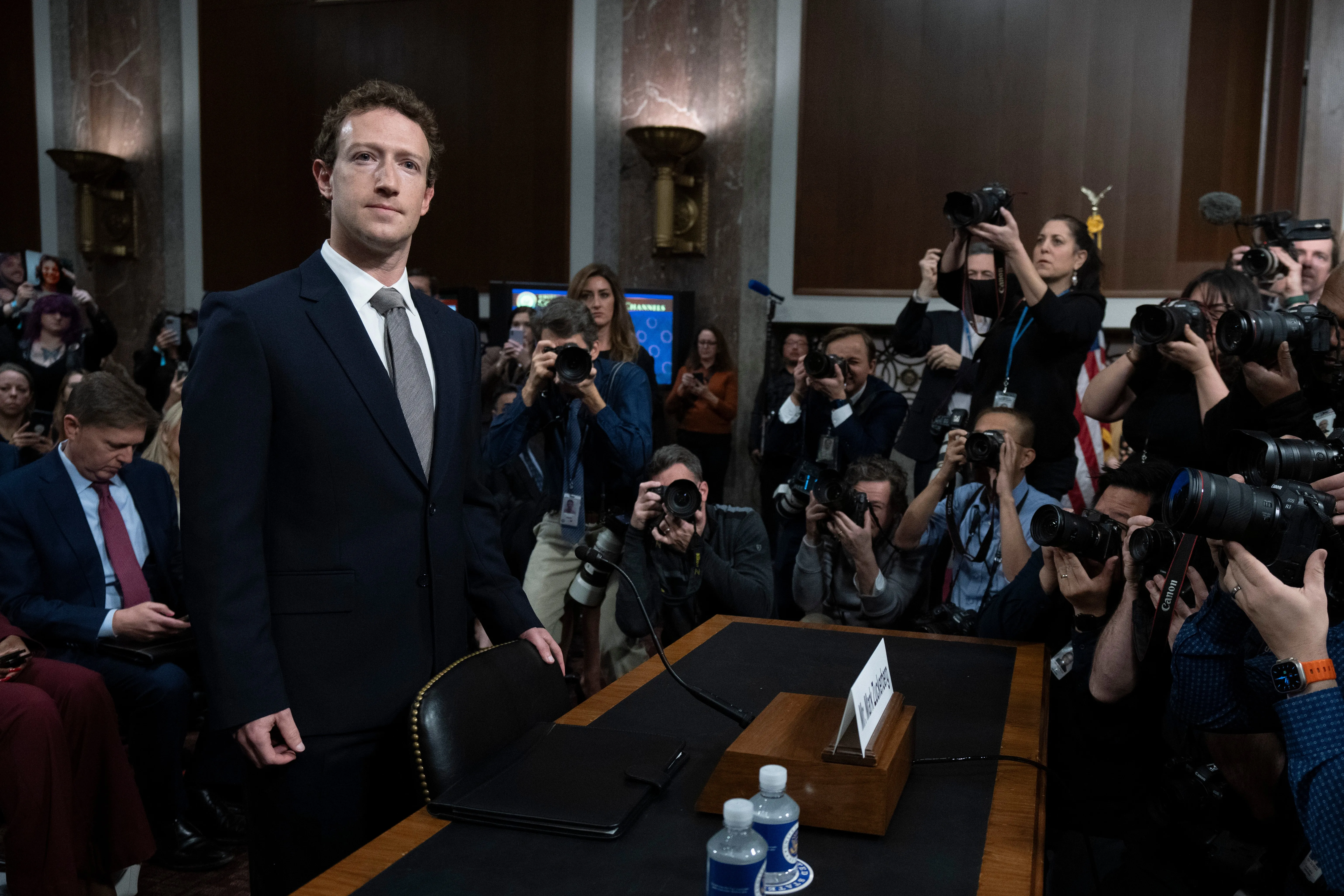
On Aug. 26, just eight days into one of the biggest trials in social media history, Meta agreed to settle with 47 states, D.C. and U.S. territories. The social media giant agreed to pay $12.19 billion over 10 years , which could rise to $17.1 billion if TikTok and YouTube agree to comparable terms. (A $1 billion settlement with Texas was reached the same day.)
The settlement marks the largest state consumer protection settlement in history, outside of Big Tobacco.
The coalition of states originally sought approximately $200 billion . Meta’s lawyers said they were exposed to as much as $1.4 trillion in damages. This case was poised to reshape not just Meta but social media as we know it. Instead, Meta agreed to pay less than a tenth of what the states had asked for.
As one of the early architects of social networking , I’ve been building social media platforms since the 1990s. For nearly 30 years I’ve been doing it without targeted ads or algorithmic manipulation. The industry veered astray when an “engagement at all costs” attitude and surveillance advertising took the reins. This settlement was a chance to take the reins back. It goes partway, but it stops short.
Meta already lost two landmark cases this year. In March, a jury in Los Angeles found Meta and YouTube liable in the first personal injury trial over addictive design. A similar case against Meta in New Mexico led to nearly $1 billion in penalties .
In this latest and biggest trial, the opening statements presented the case regarding intentional harmful design. “Hook the users. Hold them for as long as they can. Harvest their data. Hide the truth from the public when making public statements,” California Deputy Attorney General Megan O’Neill stated during the trial . “Meta’s business model worked especially well for kids.”
The star witness was Arturo Bejar , a former Meta safety engineer and whistleblower. He testified that Meta employed a “don’t ask, don’t tell” strategy for its underage users. He told the jury that “Instagram changed from a product that you use to a product that uses you.” The states’ attorneys revealed an email from 2021 that Bejar sent to Mark Zuckerberg, which showed that more than half of teens surveyed had a harmful experience on Instagram in the prior week. Zuckerberg never replied.
The company settled before Zuckerberg was slated to take the stand. That alone says how strong the case was.
The comparison between tobacco and social media was made several times. In 1998, the four biggest cigarette makers settled cases brought by 46 states for $206 billion. The real transformation was the end of cigarette marketing to kids. Thirty-six percent of high school kids smoked in 1997. Today, it’s 1.4 percent . But it never changed the addictive nature of the cigarette itself.
This settlement is supposed to go further and change the product. It requires several changes for users under 18, including: a maximum limit of two hours per day; no access between midnight and 6:00 a.m.; no push notifications during school hours or overnight; no public “like” counts; and no beauty filters. A parent can switch the time limit and overnight block off , and direct messages are exempt from all of it .
These are two major functional misses. One, algorithmically manipulated newsfeeds remain in place for users under 18, with only an opt-out choice (opt-outs are rarely selected). This is the core of Meta’s business model: It predicts the content that keeps kids scrolling and serves them more of it. Keeping this engine intact is a massive and unacceptable gap. Two, “robust” age assurances are required to remove any users under age 13. However, the method is left entirely to Meta .
Meta will celebrate this as a victory. Revenue at the company last year was approximately $200 billion . A $17 billion settlement paid over 10 years is less than 1 percent of that each year. Spread across 47 states, D.C. and the territories over 10 years , the payments will be modest. Florida Attorney General James Uthmeier, who refused the deal, described it as “peanuts compared to the profound harms Meta’s profit-driven addictive features inflicted on kids.” Meta’s stock shot up 4 percent on news of the settlement, which, at the high mark, added roughly $59 billion to the company’s market value — well above the entire settlement, in one day.
It smacks of another Cambridge Analytica settlement . In 2018, it was reported that Meta (then called Facebook) might owe the Federal Trade Commission $2 trillion . But the fine levied was only $5 billion, and its stock rose immediately upon the announcement.
When a company’s stock goes up the day a penalty is announced, something is amiss.
The implications of this case go beyond Meta. California Attorney General Rob Bonta stated that Meta is simply “ first in line .” YouTube, TikTok and Snap all face similar cases. $5 billion of Meta’s payout only gets paid if YouTube and TikTok adopt the same changes. In essence, Meta has turned the attorneys general into enforcers against its competitors , ensuring kids won’t switch to other apps.
Outside the courtroom, the response has been stronger. Nearly 30 states launched bell-to-bell phone bans in schools in recent years. A Senate committee advanced the Kids Online Safety Act this August. Last year, Australia became the first country to bar users under 16 from social media, with other countries following suit. The European Union is also moving toward a ban of its own .
Thousands of individual and school district lawsuits remain on the docket. Meta admitted no wrongdoing , but there’s plenty of ground remaining to be taken in these upcoming cases.
The attorneys general wanted a result, and they got one. But Meta walked away with a bargain. Were the states outmaneuvered? The plaintiffs who took Meta to court this year in Los Angeles and New Mexico won their cases. The thousands of families and school districts still waiting have strong cases too.
The lesson: Don’t settle. Make Meta face a jury.
Mark Weinstein is one of the original architects of social media and author of “ Restoring Our Sanity Online,” named “2026 Outstanding Book of the Year” by the Axiom Business Book Awards.
Topics in this story
Gathered from external sources. Rights to this text belong to whoever originally published it.