Paramount’s Warner Bros. bid barrels toward antitrust trial: What to know
Paramount Skydance’s bid to acquire fellow entertainment giant Warner Bros. Discovery (WBD) has been mired in controversy and drew a lawsuit from critics who argue the deal is bad for the movie-making and media business. As David Ellison, the company’s top executive and an ally of President Trump, wages a public relations and legal defense campaign advocating…
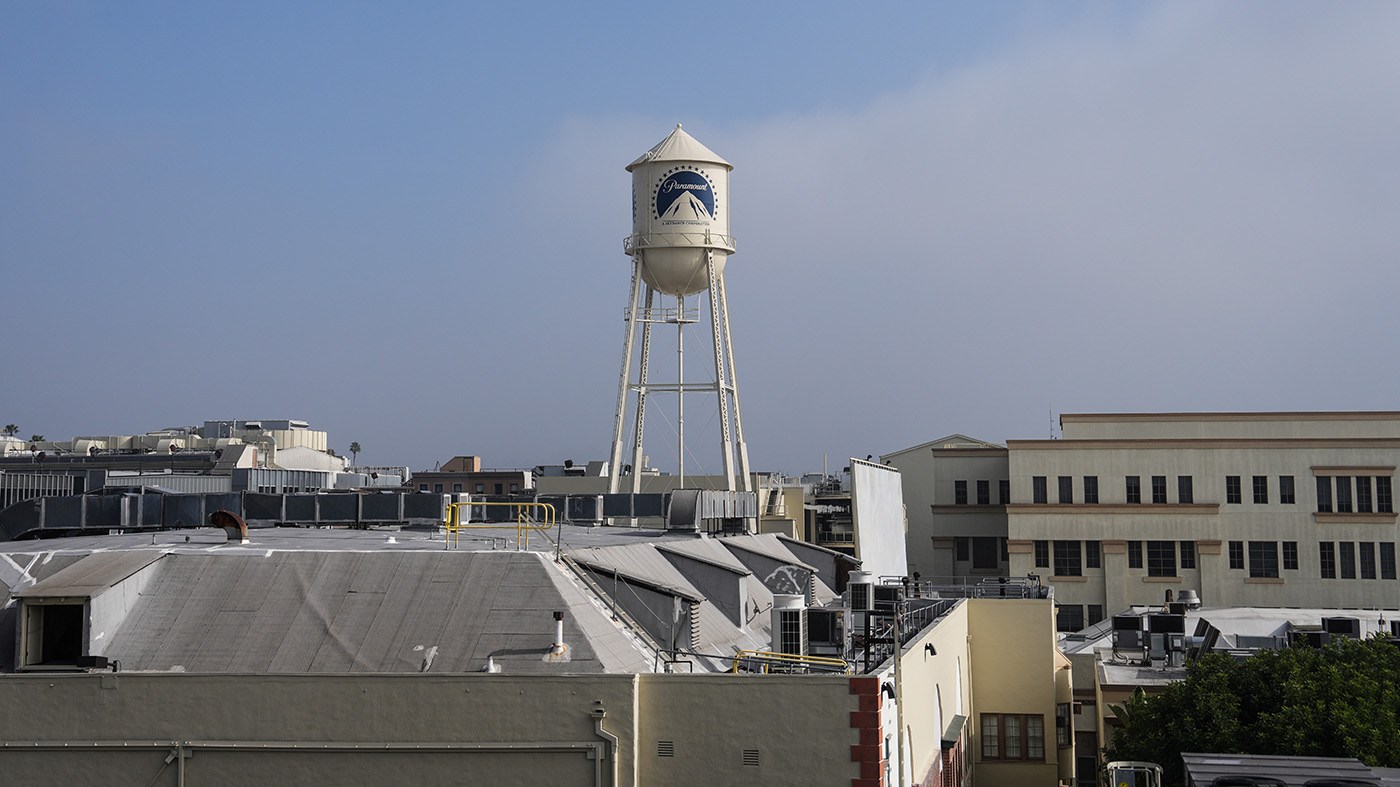
Paramount Skydance’s bid to acquire fellow entertainment giant Warner Bros. Discovery (WBD) has been mired in controversy and drew a lawsuit from critics who argue the deal is bad for the movie-making and media business.
As David Ellison, the company’s top executive and an ally of President Trump, wages a public relations and legal defense campaign advocating for the merger, a Democratic-led suit seeking to stop it appears likely headed for a jury trial in California next spring.
The case took a dramatic turn this week, when California Attorney General Rob Bonta (D) called off a planned settlement meeting over what he said were leaks orchestrated by Paramount publicizing details of previous meetings between the two sides, tainting the negotiating process.
The company and state government have been trading barbs in court and in the media for weeks, with Paramount’s top legal officer saying earlier this month the company was considering leaving its headquarters in Southern California if Bonta does not drop his lawsuit.
Here’s what to know about the Paramount-Warner Bros. Discovery merger saga and how it got to this point.
Paramount sets its eyes on unprecedented growth
Since it was purchased by Ellison’s Skydance Media, Paramount has undergone massive changes to its content strategy and business, aiming to acquire as many assets as it can and gearing up for a fight with major tech platforms in the streaming era.
The company is trying to fend off others like Amazon, Apple and Netflix, which are pouring hundreds of millions into the business of both scripted and unscripted entertainment, live sports and news.
Paramount’s news division, CBS, has been at the center of some of the company’s most sweeping changes, with Ellison tapping controversial journalist Bari Weiss to serve as the network’s top editor and overhauling its top news program, “60 Minutes.”
Many observers have seen Weiss’s appointment and the changes at “60 Minutes” as a rightward shift directed by Ellison to curry favor with Trump as he looks to grow his media empire.
The Warner Bros. Discovery transaction is seen by the company’s investors as crucial to that growth strategy, given WBD’s vast library of content and studios feeding both its linear and streaming channels. If the deal, announced in February and worth an estimated $110 billion, is allowed to clear, it would create the largest media company on earth and hand the Ellison family control of an unprecedented share of viewership in the United States and around the world.
Democrats, creatives raise antitrust concerns
This summer, a group of Democratic state attorneys general filed suit to stop the deal on antitrust grounds. A week later, a judge paused the acquisition , and then Paramount put the merger on hold in light of the suit.
The states, led by Bonta, argue that a combined Paramount-WBD entity would stifle competition in the media sector and ultimately negatively impact jobs and creative opportunities for actors, directors, writers and others in the entertainment industry.
“Film and television are not commodities; they are a principal means by which Americans encounter stories, ideas, and perspectives beyond their own experience,” the attorneys general wrote in their suit.
Democrats on Capitol Hill, meanwhile, are pushing back on the prospect that Ellison could gain more power in the mainstream media.
“Despite repeated promises to protect editorial independence, journalists inside CBS have described a newsroom increasingly bending to the Trump Administration’s political demands,” Rep. Jamie Raskin (D-Md.) wrote in a recent letter to Ellison. “Critical stories have reportedly been stalled, interviews pushed off the air, and reporters pressured to distort coverage of protests in Minneapolis and the killing of Renée Good to more closely resemble the Trump Administration’s false account.”
Raskin added CBS “pulled” a “60 Minutes” interview with Sen. Ron Wyden (D-Ore.), in which he “presented evidence that major banks facilitated Jeffrey Epstein’s illicit and illegal activities, and the reporter behind the segment was subsequently fired.”
The fear among Democrats and media watchdogs is no outlet would be more negatively impacted by the merger than Warner Bros. Discovery’s top news-gathering asset: CNN.
The cable news channel founded by the late Ted Turner has been at the center of WBD’s linear portfolio as it pitched potential buyers on acquisition.
The outlet has, however, been plagued recently by significant turnover in both its executive leadership ranks and on-air hosting roles, regularly lagging competitors in the weekly and monthly cable news viewership race.
Yet the cable channel and the future of its coverage of politics and current events remain a major point of contention around the Paramount acquisition, given Trump’s history of attacking the network and its reporters.
Trump has said he would like to see CNN operate under new ownership and praised Ellison’s efforts at CBS.
Staffers at the outlet have reportedly been unnerved by Paramount’s pursuit of the channel’s parent company, mainly with recent changes at CBS in mind.
After weeks of staying silent about the deal as criticisms grew, Ellison surprised many when he published an essay in The New York Times opinion pages defending the merger on Aug. 4. The fight, in court and in the headlines, “is not really about market share,” he wrote.
“I believe a plainer worry sits beneath the briefs and the news releases: the news. The issue is whether I can be trusted as a steward of Warner’s CNN,” he wrote. “There has been speculation about my politics, my loyalties, my intentions.”
Ellison insisted, “I do not aspire to lead these companies to bend their newsrooms to my views,” and he argued the merger was necessary for legacy media companies like his to compete with Big Tech in the years to come.
“It’s the audience — the American people — who have the final say in whether a movie succeeds or fails, whether a news organization thrives or withers and therefore whether our industry succeeds or fails,” Ellison wrote in his Times op-ed. “I want to build a company with the strength and resources to deliver for those audiences who turn to us, for the storytellers who rely on us and for the country that dreamed this all up.”
Settlement talks stall as jury trial looms
Both sides in the Paramount v. California case have telegraphed a willingness to hammer out a settlement to avoid a date in court.
But those efforts have so far been fruitless.
A meeting scheduled for Monday was scrapped after Bonta accused Paramount of leaking the details of a previous meeting to media outlets, saying the company was not acting in good faith.
“As soon as Paramount stops playing games and engages sincerely, my office is happy to meet again,” Bonta said.
Paramount, which is headquartered in California and has threatened to leave the state over the lawsuit, is denying responsibility for the leaks and has said it is prepared to defend the merger in court.
“We remain hopeful and stand ready to continue good faith discussions to resolve the Attorneys General suit and move forward with our plans for increased competition and increased output to the benefit of the talent and entertainment workers,” the company said.
If no agreement between the two sides is reached, a jury trial is preliminarily slated for early March.
Topics in this story
Gathered from external sources. Rights to this text belong to whoever originally published it.