We can create the recycling system Americans deserve
Congress has a rare, bipartisan opportunity to modernize America’s recycling system.
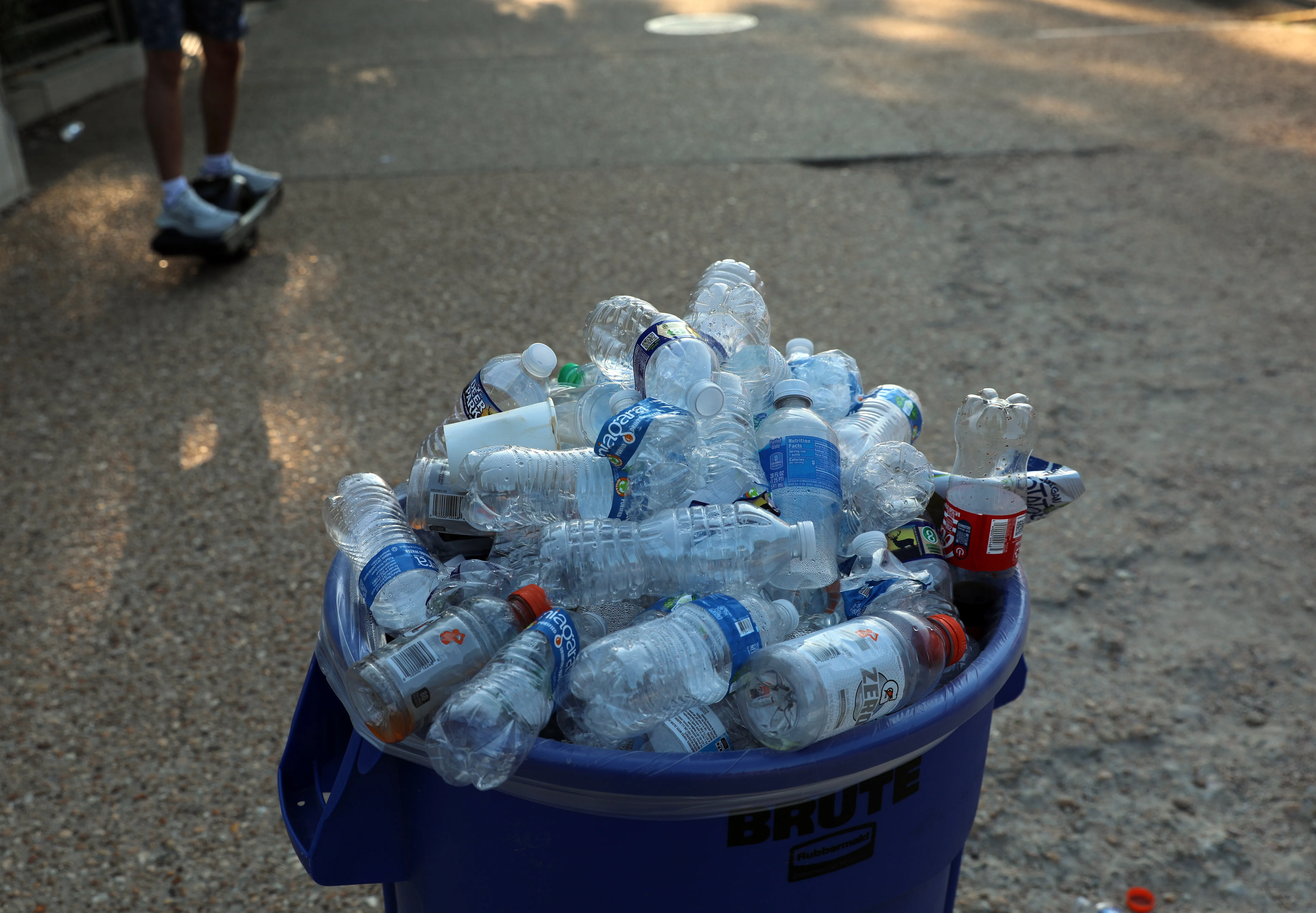
Every day, millions of people across the country rinse a bottle, break down a box or drop a plastic tub in their recycling bin, hoping that it will end up in the right place. The reality is often the opposite.
A recent op-ed in The Hill got the diagnosis right. America’s recycling system is outdated. But the prescription is wrong. We agree on the problem. We don’t agree on the solution.
Today, nearly 10,000 different recycling systems operate across the U.S. states, counties and cities across the country each have their own definitions of what belongs in the recycling bin and how packaging should be labeled. A container accepted for recycling in one city may not be accepted just a few towns over, while a recycling claim printed on one package may not qualify under another state’s rules.
This patchwork of regulations does more than just confuse consumers and stifle recycling rates. It also creates real costs for businesses trying to invest in better packaging and technology. As a result, this fragmented landscape makes long-term investment in new recycling technology and recycled content harder to achieve.
Congress has a rare, bipartisan opportunity to modernize America’s recycling system. The Recycled Materials Attribution Act and the PACK Act are currently under consideration by the House Energy and Commerce Committee. Together, these bills would resolve both of these issues with national standards for recyclable and recycled content claims and ensure consumer transparency through independent, third-party certification. This distinction matters. It ensures a recyclable label would mean the same thing, whether a product is purchased in Florida or Oregon.
The legislation also extends to newer, complementary technologies, known as advanced recycling. These technologies can process materials that traditional recycling cannot, like multilayer wrappers and plastic tubs used to keep food and household products safe. Advanced recycling does not replace traditional recycling — it extends what the current system can recover.
A recent report by the Progressive Policy Institute found that emerging recycling technologies, paired with traditional mechanical recycling, could more than double U.S. plastic recycling rates and save states and local municipalities hundreds of millions of dollars per year. These common-sense, practical solutions are the first step toward removing the barriers that have held back innovation at scale in recycling, allowing companies to recover more materials for reuse and keep them out of landfills.
Another crucial part of this legislation would require the Federal Trade Commission to update its Green Guides, which have not kept pace with the packaging and labeling innovations already in the marketplace. Modernizing that guidance would give companies one clear playbook to design and market products, instead of 50 different sets of rules.
The stakes also extend beyond any single recycling bin. Recycling supports 650,000 American jobs and generates $37.8 billion in wages annually. Every improvement made to our country’s recycling system plays a role in the economy. A confused consumer and lack of modernized technology leave that value on the table.
Through the Recycling Leadership Council , a coalition of businesses and stakeholders working across the value chain, we are already collaborating with partners to reduce consumer confusion and improve recycling rates.
The Recycled Materials Attribution and PACK Acts offer something the current recycling system has never had: one clear, national standard that consumers can trust, that businesses can build on and that communities can rely on. The solution is already on the table. Congress just needs to make it happen.
John Hewitt is senior vice president of the Consumer Brands Association and spokesperson for the Recycling Leadership Council.
Topics in this story
Gathered from external sources. Rights to this text belong to whoever originally published it.