We are not ready for El Niño — here’s how we can be
For this forecast, we still have the time to act.
The National Oceanic and Atmospheric Administration is predicting a greater than 90 percent chance of a very strong El Niño event, and a nearly 70 percent chance of it being stronger than any on record since modern recording began in 1950.
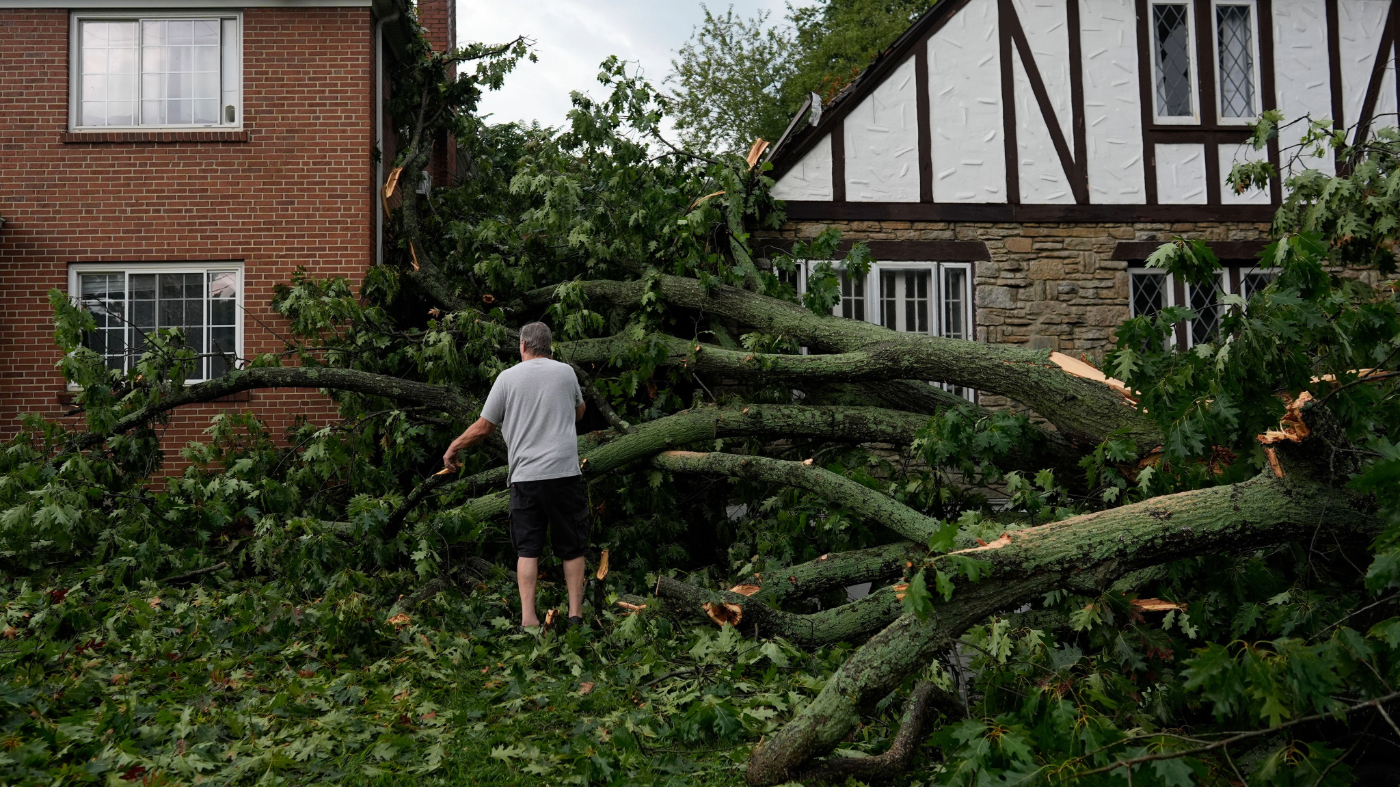
This El Niño will likely lead to historic flooding in some areas, heat and drought in others, conditions for more severe wildfires and storms disrupting supply chains, infrastructure, lives and livelihoods throughout the world.
The scale of El Niño suggests that we will see disasters affecting wide swaths of geography and potentially overlapping calendars where everyone will be reaching out for the same assets at the same time. This is a disaster we can see coming months in advance. Unfortunately, our systems are better designed to respond to disasters rather than to anticipate them.
Most of our disaster funding is built on a consequence-management approach. Money flows based on the damage incurred, or in some cases, the damage estimated. Our system is not built for warnings like the El Niño forecasts, which are accurate but not precise and come many months in advance.
So we wait on damage estimates in the aftermath of the tragedy. Even with evidence of the savings from investing in preparedness, funding for response and recovery far outpaces preparedness and mitigation.
And right when we should be building our preparedness systems, they are eroding. This month, the Government Accountability Office reported that about 17 percent of the Federal Emergency Management Agency workforce left during fiscal 2025, a jump in attrition of nearly 55 percent. The leadership has been among the hardest hit, with 58 senior executives leaving over the following year, taking all of their experience and hard-earned expertise with them.
Forecasting is one of several parts of the American and global disaster enterprise that has quietly gotten much better in the past decades. We have more advanced warning and less uncertainty when hurricanes are bearing down, leading to better decisions on evacuation and pre-positioning supplies. Seasonal forecasts have led to farmers taking early action around the world to protect their livelihoods and protect our food supplies with better information.
But this capability is not permanent. It requires a myriad of researchers in labs, institutes and Universities. Such agencies as the Office of Oceanic and Atmospheric Research have seen budget requests for their elimination, along with vital funding streams that underwrite our forecasting infrastructure.
Thankfully, these requests were rebuffed by Congress, at least for now. But their future remains uncertain.
Globally the math is even worse. The United Nations World Food Program estimates that at least 49 million may be pushed into acute hunger by the end of 2027. With the backdrop of the dismantling of the U.S. Agency for International Development and the pullback of U.S. funding for international assistance more broadly, in 2025 humanitarian funding fell to its lowest level in a decade — only about $12 billion received, reaching 25 million fewer than a year before.
There are some actions being taken, though. The World Food Program has already triggered pre-agreed anticipatory action plans in several countries with more than $14 released, reaching about half a million people. In the U.S., California is pre-positioning flood-fight containers across dozens of counties. And the FEMA Review Council’s report recognizes the value of moving faster, proposing parametric block grants. While still focused on speeding up money after a disaster, this model could open the door to more anticipatory funding of disasters.
While the politics are increasingly polarized on emergency management reform and the status of foreign aid, there are things we can do without asking anyone to sell out their positions.
First, stop the bleeding. The debates on emergency management and international aid reform should continue but keep funding the work with the resources that the law currently provides and supporting staff at key agencies while broader strategies are determined.
Next, attach a forecast trigger to federal disaster declarations. Pre-landfall declarations already exist for shorter onset disasters like hurricanes. Extend this approach to slower-onset hazards, where a seasonal outlook is as actionable as a hurricane track.
We must also close the insurance gap while there is time to do it. Fixing the National Flood Insurance Program is a political quagmire. But within the program that currently exists, policies generally need to be in place at least 30 days before an event triggering a claim. Prioritizing outreach for this could ensure people have the coverage when they need it most.
Finally, start the recovery planning now. Recovery takes years, even decades. We can start the planning processes now to think through debris removal, housing and economic recovery, and reaching the most vulnerable who are too often left behind.
After this El Niño there will be others, and more extreme weather events overall. There is an urgent need for a clear reframing of our disaster management systems to be more proactive rather than so reactive. For the coming disasters, we can spend our time marveling at the forecasts and documenting the lessons, or we can start applying them today. For this forecast, we still have the time to act.
Jeff Schlegelmilch is an associate professor of Professional Practice of Climate and faculty director at the National Center for Disaster Preparedness at the Columbia Climate School at Columbia University. He is the author of “Rethinking Readiness: A brief guide to 21st Century Megadisasters,” and co-author of “Catastrophic Incentives: Why our Approaches to Disasters Keep Falling Short .”
Topics in this story
Gathered from external sources. Rights to this text belong to whoever originally published it.