To match Denmark’s public health, we need more than its vaccine model
There are plenty of lessons the U.S. should take from countries such as Denmark, but vaccine policy is not one of them.
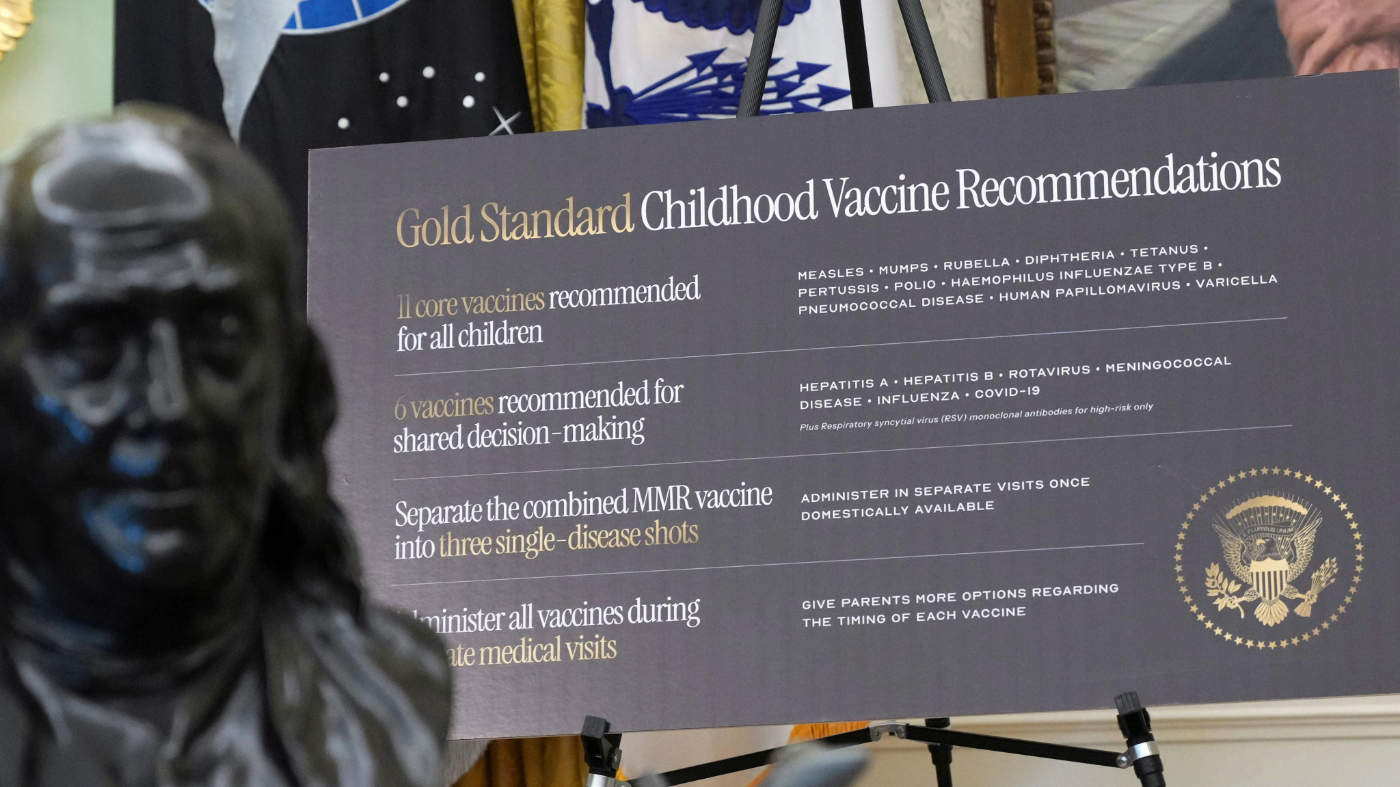
On Aug. 10, President Trump signed an executive order calling for the U.S. to follow a significantly reduced childhood vaccine schedule. Trump said the change would “finally align the United States with other advanced and developed nations around the world.”
This move will not only endanger American families but also push the nation’s already poor health outcomes further behind our global peers. There are plenty of lessons the U.S. should take from countries such as Denmark, but vaccine policy is not one of them.
I have spent my career studying healthcare systems, in the U.S. and across the globe. I agree with the premise that America should look abroad for lessons about how to improve our health. Americans spend more on healthcare than anyone else in the world, yet we live shorter lives and are less healthy than people in many countries that spend far less.
Denmark, Germany and Japan are excellent places to find a better roadmap. They consistently outperform the U.S. on many measures of health — their residents live longer, have healthier babies and suffer far less from chronic illness. But this is not because they have different vaccine schedules. In fact, the U.S. vaccine schedule is closely aligned with many peer nations. The diseases we target, the vaccines we use and the timing are largely similar.
Denmark is actually something of an outlier. Its schedule reflects choices made for a relatively small, homogeneous country with universal care and low baseline disease rates — conditions that don’t apply in the U.S. And countries with stronger primary care systems can often achieve the same levels of protection with fewer doses because they are better able to ensure children receive care on time. The U.S. builds in more doses primarily as a buffer against a more fragmented system.
That is the problem with looking at Denmark’s vaccine schedule in isolation. If we want to understand why people in Denmark and other peer countries are healthier, we should be asking the following questions: Why do people in these countries have better access to care, stronger health outcomes and longer lifespans? How did they build affordable, accessible healthcare systems that treat people before they get sick?
The answers, it turns out, are not that complicated.
Denmark, Germany, Japan and many other countries have invested in health systems that offer universal health coverage and affordable care. People in these countries generally have access to a regular primary care doctor and can get an appointment when they need one. Their prescription drugs are far more affordable, and vaccines are free and widely available. Mothers and children receive stronger support through the healthcare system and through public health policies that help families meet basic needs.
Because of these sustained healthcare investments, diseases are diagnosed earlier, chronic conditions are managed more effectively, preventive care is stronger and mothers, infants and children are healthier.
Denmark , which the Make America Healthy Again movement often singles out as a health success story, is a case in point. Its excellent outcomes did not emerge from a single policy or a particular vaccine schedule. They are the result of decades of wise policy choices aimed at building a healthcare system that routinely delivers accessible, affordable quality care.
Today, millions of Americans remain uninsured or underinsured. Many more have coverage but still face high deductibles and out-of-pocket costs, forcing millions to delay doctor-recommended care. The price of prescription drugs forces some patients to skip medications or ration doses. We consistently experience higher rates of preventable illness and mortality. All the while, medical debt remains a daily reality for families across the U.S. Again and again, we spend more and get less.
If we truly want to make America healthy again, we should start with the policies that make other countries healthy. That means making healthcare and prescription drugs more accessible and affordable. It means investing in primary care, maternal and child health, prevention and public health. It means building a system that promotes health throughout life rather than one that too often waits until illness becomes a crisis.
It is smart to look abroad to improve America’s health. There is a lot we can learn from Denmark, Germany and Japan, but the biggest lesson isn’t found in their vaccine schedules. It is found in the health security enjoyed by all their residents. Health is built by investments and policies that ensure care is not an exclusive privilege but a fundamental right for all.
Reginald D. Williams II is senior vice president and leader of the international health program at the Commonwealth Fund.
Topics in this story
Gathered from external sources. Rights to this text belong to whoever originally published it.