Sunday shows preview: Trump admin economic tensions leave GOP vulnerable; U.S. foreign relations shift
Republicans are nearing the final stretch of the midterm election cycle with an increasingly unstable political landscape, as races for traditionally safe red seats grow competitive amid tensions over President Trump’s economic agenda. Democrats are looking to flip a handful of key battleground states to regain a Congressional majority come November. Senate races in Texas,…
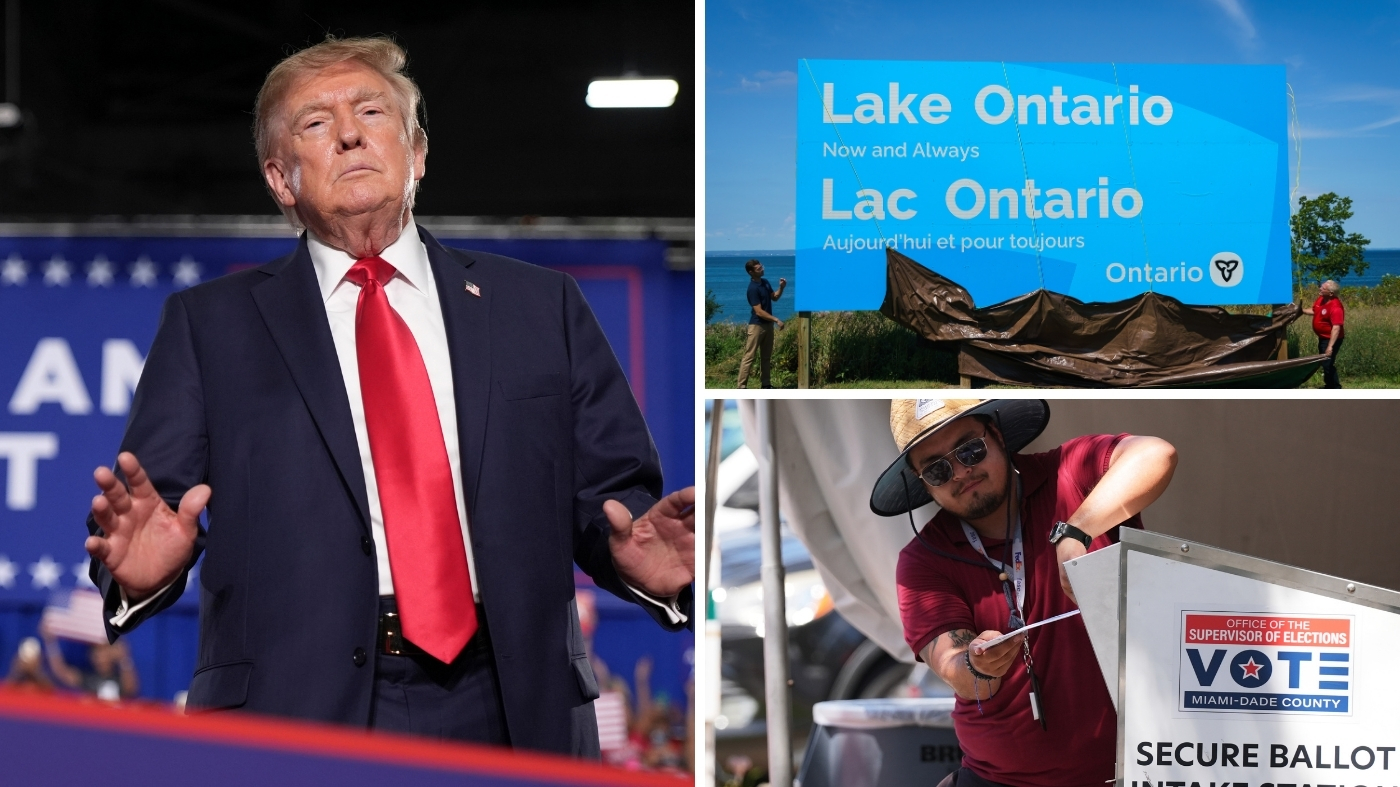
Republicans are nearing the final stretch of the midterm election cycle with an increasingly unstable political landscape, as races for traditionally safe red seats grow competitive amid tensions over President Trump’s economic agenda.
Democrats are looking to flip a handful of key battleground states to regain a Congressional majority come November. Senate races in Texas, Iowa and Alaska, states Trump won decisively in 2024, have ticked left. The same goes for open congressional seats in North Carolina, Maine and Ohio.
With Trump’s declining approval ratings, as well as the public’s growing doubt surrounding the Iran war, rising prices and immigration enforcement, Democrats have become increasingly optimistic that some current Republican-held seats are within reach.
Despite the president’s approval dip, Trump and Republican leaders are leaning onto his favorability among his base as they attempt to curb a potential turnout drop. Trump urged supporters this week to “pretend” he’s on the ballot in November, a talking point echoed by other allies.
In the battle for Texas’ Senate seat, Attorney General Ken Paxton (R), who defeated longtime Sen. John Cornyn (R) in the May primary, is locked in a tight race against state Rep. James Talarico (D).
Several surveys have shown the two candidates are neck and neck. An Emerson College poll showed Paxton at 47 percent and Talarico at 46 percent, while others placed the Democrat narrowly ahead.
Talarico entered the race with a massive fundraising advantage, raising more than $31 million compared to Paxton’s $9.3 million, according to campaign finance records.
The approaching elections have also placed the battle over mail-in voting in the spotlight.
The Justice Department on Friday appealed a temporary block on new U.S. Postal Service regulations governing mail ballots, extending a lengthy back-and-forth between Democratic states and the Trump administration over the rules — set to be in place for the November elections.
U.S. District Judge Indira Talwani on Thursday temporarily barred the administration from implementing portions of the regulation, siding with Democratic-led states and voting rights groups challenging them.
Talwani agreed that it would be “practically impossible” for states to comply with the rule, which required them to submit lists of all eligible voters 90 days before the November if they want to receive mail in ballots.
The judge argued the short timeline would create an “overwhelming risk” that voters who rely on mail ballots could be disenfranchised.
The Trump administration in its appeal pushed back on the claim that the federal government was attempting to take control of elections, saying the rule’s requirements were “modest.”
Trump, meanwhile, is battling a trade war with Canada after negotiations between the two longtime allies broke down.
A 50 percent tariff on $20 billion worth of Canadian imports took effect last week, prompting Canadian Prime Minister Mark Carney to impose “dollar for dollar” retaliatory tariffs beginning Sept. 8.
Trump, in turn, raised the stakes again Monday, threatening to impose 50 percent tariffs on Canadian automobiles, auto parts and steel starting Jan. 1, 2027.
Amid tariff battle, the president also signed an executive order renaming Lake Ontario — shared between Ottawa and the state of New York — to “Lake America.”
The dispute threatens to raise costs on both sides of the border. U.S. goods and services traded with Canada totaled an estimated $872 billion in 2025, and major supply chains are deeply integrated between the two nations.
The economic confrontation with Canada comes as the Trump administration simultaneously tackles economic pressure in its nearly six-month war with Iran.
After Trump threatened an “economic D-Day” against Tehran, Treasury Secretary Scott Bessent on Monday announced Operation Economic Outcast — an effort to pressure countries around the world to cut financial ties with Iran or risk losing access to the U.S. dollar system.
It’s the latest attempt from the administration to pressure Tehran into a deal after months of military action and diplomatic conversations have failed to end the conflict.
A June memorandum of understanding signed by the U.S. and Iran fell apart last month, while efforts to reach an agreement over shipping through the Strait of Hormuz have stalled.
The administration’s focus on Iran unfolds alongside major policy shifts regarding Venezuela.
Trump announced Friday night that the U.S. reached a deal giving it majority control over a portion of Venezuela’s oil reserves, which he said would increase American supplies and eventually lower gas prices — which have skyrocketed since the start of the Iran war.
See the full list of guests on the Sunday morning news shows below:
Fox News’s “Sunday Morning Futures”: Rep. Brian Mast (R-Fla), Rep. Tom Emmer (R-Minn.), Sen. Ashley Moody (R-Fla.).
Fox News’s “Fox News Sunday”: Former White House chief of staff Rahm Emanuel.
NewsNation’s “The Hill Sunday”: Panel: Bill Sammon, Tal Kopan and Michelle Price.
ABC News’s “This Week”: Ontario Premier Doug Ford.
CBS News’s “Face the Nation”: Sen. Richard Blumenthal (D-Conn.), Rep. John James (R-Mich.).
CNN’s “State of the Union”: Rep. Ro Khanna (D-Calif.), Border czar Tom Homan.
NBC News’s “Meet the Press”: Sen. Ted Cruz (R-Texas), Rep. Jim Clyburn (D-S.C.).
Topics in this story
Gathered from external sources. Rights to this text belong to whoever originally published it.