Nikki Haley is wrong! Democrats won midterms, Republicans didn’t just lose
Republicans can learn from their losses. But they should be careful not to explain away Democratic victories as if the candidates themselves had nothing to do with it.
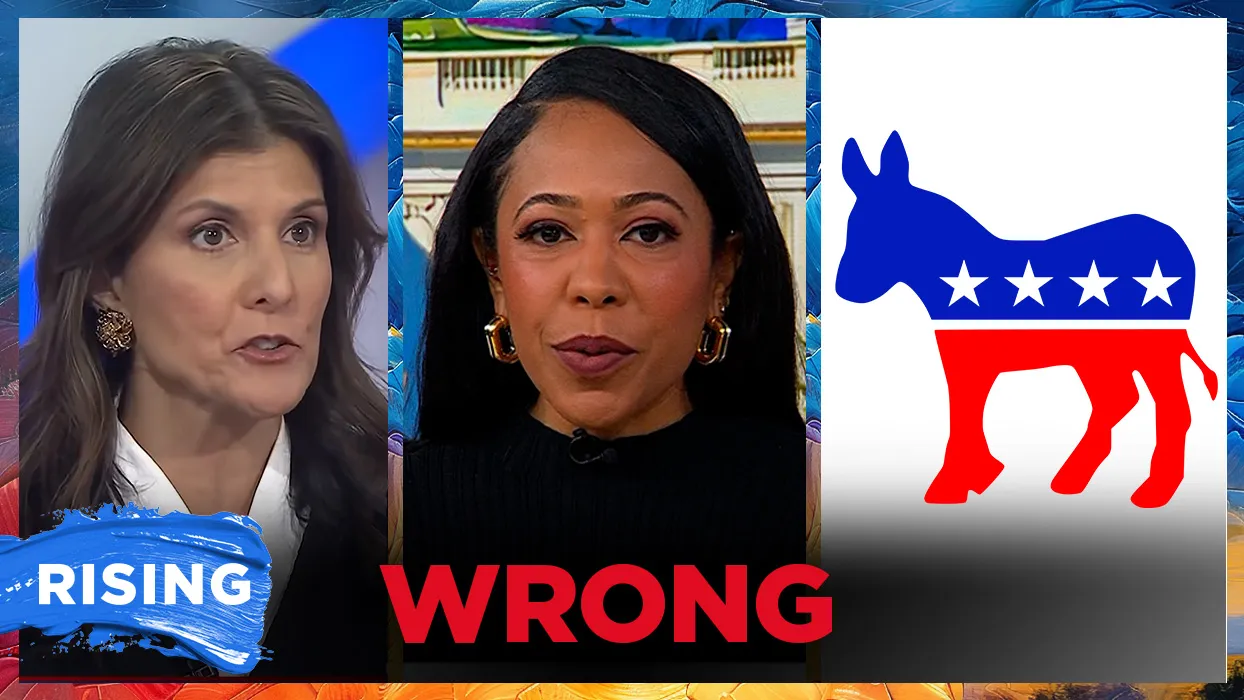
Republicans are so busy explaining why voters rejected them that they aren’t acknowledging why voters intentionally chose several Democrats. Check out Nikki Haley on the “TODAY Show”: “I think for me what it was is I don’t think Democrats won, I think Republicans lost for themselves.”
Yes, Republicans have serious problems. Yes, President Trump’s approval ratings, the economy, the war and the cost of living played a role. But to reduce what happened Tuesday to a Republican rejection of Trump is to dismiss the candidates Democrats put forward and the campaigns they actually ran.
Look at Texas. Gina Hinojosa didn’t just ride an anti-Trump wave into the governor’s mansion. She became the first Latina governor in Texas history, defeating Republican incumbent Greg Abbott and ending decades of Republican control of the governor’s office.
A civil rights and labor attorney who spent years in the Texas Legislature, Hinojosa built a campaign around affordability, public education, corporate influence and the everyday concerns of working families. She connected with Latino voters by speaking directly to her roots in the Rio Grande Valley and the experiences of communities that often feel overlooked. And her argument was bigger than Trump — it spanned 20 years! Republicans have controlled Texas government for decades. She challenged voters to consider what that prolonged control had actually delivered, and they said, not enough.
Then there’s James Talarico, who won Texas’s U.S. Senate race. He resisted the temptation to get dragged into every culture-war confrontation, although everyone tried to reel him in, and instead focused on economic populism: health care costs, corporate power and the divide between the wealthy and working people. As a Type 1 diabetic, he spoke personally about the cost of insulin. He also deliberately appealed to voters of faith. He has extreme message discipline. He also understood that winning voters mattered more than winning arguments on social media.
Now, let’s go to Georgia. Keisha Lance Bottoms made history as the first Black woman elected governor in American history. But her campaign wasn’t built on symbolism alone. The former Atlanta mayor emphasized Medicaid expansion, affordable housing, higher wages, education and the cost of living. She won despite Republican businessman Rick Jackson pouring more than $200 million of his own money into the race. And there was more than a decade of intentional infrastructure that helped make Georgia competitive. Stacey Abrams spent years building political power, challenging voter suppression and expanding Democratic participation through organizations like Fair Fight Action. Bottoms’s victory didn’t happen in magically because Republicans failed — it came after years of organizing, coalition-building and political groundwork by Black women across the state.
Look at South Carolina, too. Annie Andrews flipped a Senate seat Republicans had held since 1998. She’s a pediatrician who campaigned on health care access, affordability and fighting corruption. She got criticism from her own party for being too moderate. She understood her audience and positioned herself as a pragmatic alternative. Yes, questions about nepotism and Trump’s involvement in Darline Graham’s rise created vulnerabilities. But Andrews still had to persuade voters to choose her
And in Michigan, Abdul El-Sayed defeated Republican Mike Rogers, understanding that health care costs have skyrocketed since Trump took office and premiums are increasing by an average of 13 percent nationwide next year. He ran on universal health care being a flagship policy, working-class economics and taking corporate money out of politics.
Democrats deserve a lot of credit for these victories. These candidates built coalitions, specifically understood their states, made strategic decisions and offered voters something to vote for.
Republicans can learn from their losses. But they should be careful not to explain away Democratic victories as if the candidates themselves had nothing to do with it.
Lindsey Granger is a NewsNation contributor and co-host of The Hill’s commentary show “Rising.” This column is an edited transcription of her on-air commentary.
Topics in this story
Gathered from external sources. Rights to this text belong to whoever originally published it.