Failed GOP redistricting in South Carolina, Indiana would have backfired: DDHQ
Republicans across the country redrew congressional maps for their benefit ahead of the 2026 midterms, but it failed to yield them gains in most places. An analysis shared Thursday shows it could have been worse. Republicans in both South Carolina and Indiana rejected efforts to implement GOP-friendly maps that could eliminate all Democratic seats, which…
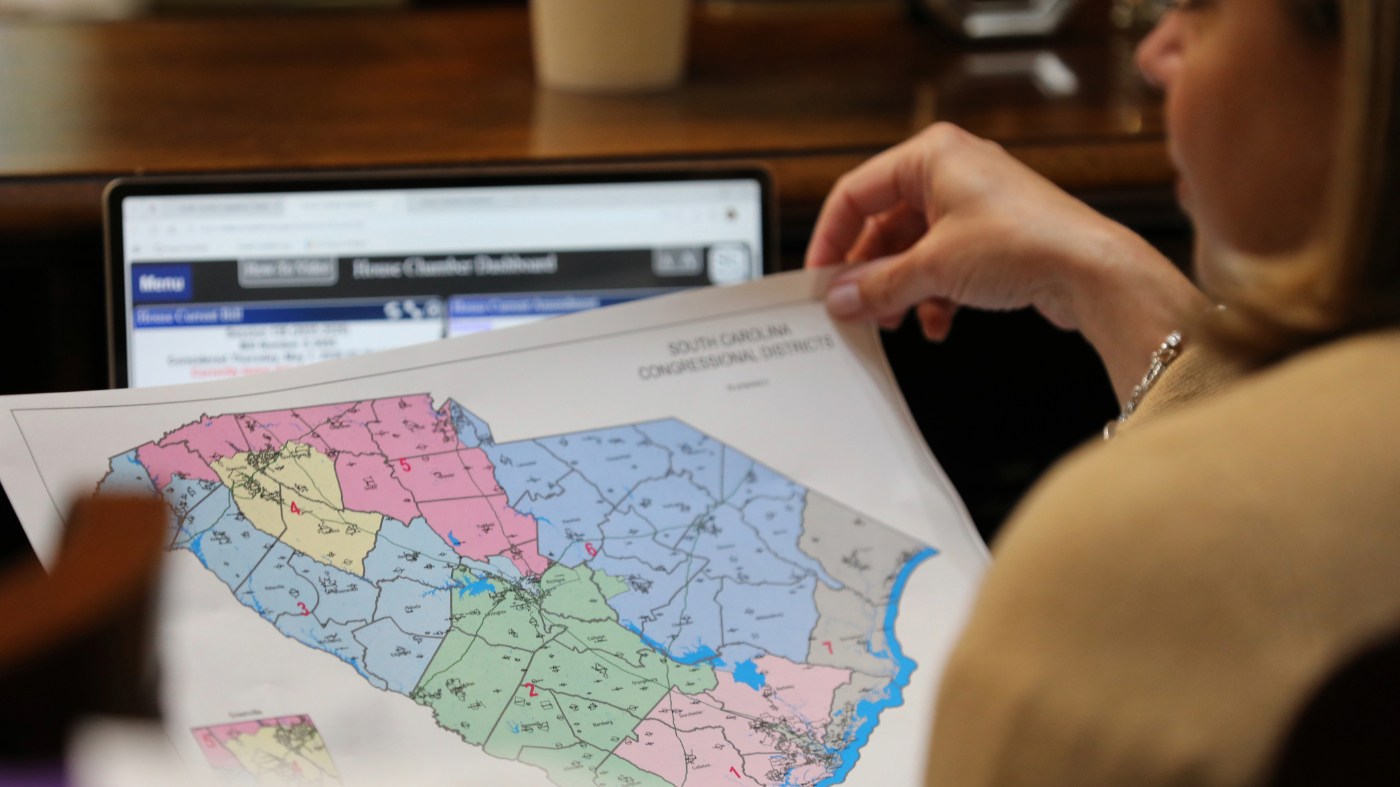
Republicans across the country redrew congressional maps for their benefit ahead of the 2026 midterms, but it failed to yield them gains in most places. An analysis shared Thursday shows it could have been worse.
Republicans in both South Carolina and Indiana rejected efforts to implement GOP-friendly maps that could eliminate all Democratic seats, which Democrats at the time took as a win in their fight to retake the House majority.
But a new analysis from nonpartisan election forecaster Decision Desk HQ (DDHQ), The Hill’s polling partner, shows that if these maps had passed, they likely would have backfired badly for the GOP and led to even larger gains for Democrats.
Applying House votes in South Carolina to the proposed redraw, Democrats would have won three of the state’s seven congressional districts — despite the map intending to elect Republicans to all of them, DDHQ’s analysis found. Democratic candidates won two seats on the current map.
Palmetto State Democrats showed surprising strength Tuesday night as Democrat Annie Andrews defeated Sen. Darline Graham (R). Andrews would have carried five districts under the proposed map, according to DDHQ.
In Indiana, applying the results from the statewide election for secretary of State, Democrats would have carried all nine of the redrawn districts — also designed for a GOP sweep. Democrats in Indiana ultimately won three districts on the current map.
The Indiana secretary of State’s race was unusually high-profile this year, as Beau Bayh (D), son of former Sen. Evan Bayh (D) and grandson of former Sen. Birch Bayh (D), won the race by 9 points.
The redistricting proposals were the center of controversy in Republican politics after a few GOP state senators in Indiana blocked the map changes President Trump pushed for. In response, Trump backed primary challengers to the senators who voted against the map, and many of the incumbents lost.
In South Carolina, Republicans considered drawing out Rep. James Clyburn (D) but ultimately decided against it , despite pressure from the president.
Many states did end up redistricting ahead of the midterms, including Florida, Texas, North Carolina and Tennessee. Maps in those states did not deliver the gains they expected, DDHQ found.
Florida Republicans tried to flip four Democratic seats with a redraw and got zero. And while aiming to draw five new seats for the GOP, Texas Republicans won just one additional seat and lost two others.
North Carolina Republicans pushed maps to try and oust Rep. Don Davis (D) in the 1st Congressional District. Davis held on, and the GOP came within a couple points of losing every congressional seat in the Tar Heel State.
Ohio Republicans’ new map should have drawn out two Democratic incumbents, but both held on, and Democrats flipped three other seats in the Buckeye State.
And in Tennessee, while Republicans did narrowly flip the seat they targeted, the GOP incumbent in the 4th Congressional District is trailing with nearly all votes counted — a seat Trump won by 24 points in 2024 that was not thought to be a Democratic target.
Topics in this story
Gathered from external sources. Rights to this text belong to whoever originally published it.