I grew up on food stamps. That’s why I support healthier SNAP standards
Moises Arjona, Jr. argues that SNAP policy should restrict the purchase of unhealthy foods to combat rising obesity and diabetes rates, despite a federal court ruling against such restrictions.
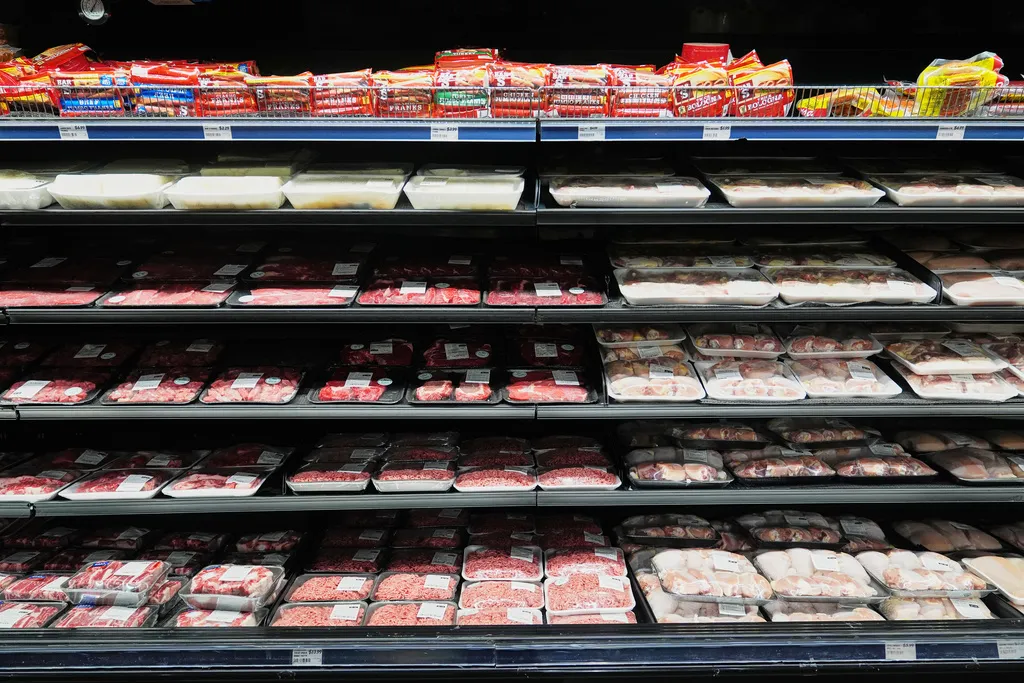
Not everyone will agree with my views on the Supplemental Nutrition Assistance Program , but I hope you will hear me out. While I firmly believe that SNAP is an essential lifeline feeding millions of Americans, reasonable standards on purchases are necessary to ensure the program fulfills its intended mission.
Federal policy should prevent SNAP dollars from being used to buy junk food, candy and sugary beverages. Critics argue that SNAP recipients should have the same total purchasing freedom as any grocery customer. I understand that perspective, but SNAP is not a neutral cash benefit. It is a targeted nutrition assistance program funded by taxpayers to improve food security and health outcomes. As such, establishing clear boundaries around what SNAP buys, while encouraging healthier purchasing habits, is fundamental to achieving its mandate.
Where I live in south Texas, we are facing a serious obesity and diabetes crisis. These health issues are not new, but they continue to worsen, affecting individuals, families and communities across the region, not to mention straining our healthcare system. If we are truly serious about addressing these public health concerns, we must be willing to confront hard truths and demand meaningful policy alignment.
Not every SNAP recipient struggles with chronic illness, but far too many do. We cannot afford to ignore this. Decades of research show that regular consumption of ultra-processed foods and sugary beverages contributes directly to metabolic diseases like obesity and diabetes. When taxpayer-funded benefits purchase products with virtually no nutritional value, we miss a critical opportunity to promote wellness. Meanwhile, millions of low-income families continue to fall short of buying adequate amounts of fruits, vegetables, lean proteins and whole grains.
For that reason, I commend Texas for recognizing the problem and taking action. In April 2026, Texas submitted a SNAP Food Restriction Waiver that sought to restrict the purchase of sweetened beverages and candy using SNAP benefits. The intent was not to punish recipients or limit food access, but rather to encourage healthier choices and promote better long-term health outcomes. This was a practical and responsible approach to addressing nutrition-related diseases that impact our communities.
Unfortunately, in June, a federal court ruled that states could not impose restrictions on what SNAP recipients purchase with their benefits. According to the Food Research and Action Center , the court’s reasoning was that “Congress specifically authorized incentive-based strategies to encourage healthier eating. It did not authorize USDA to redefine what qualifies as food under SNAP or eliminate entire categories of otherwise eligible foods from the program.”
Although I understand this legal argument, the underlying logic is wrong. The reality is that we already know the health consequences associated with excessive consumption of ultra-processed and unhealthy foods. It is difficult for me to accept that products with zero nutritional value should be treated the same as fruits, vegetables, whole grains and lean proteins within a program that was created to address food insecurity and nutritional needs.
For me, this is personal. I have shared my struggles with obesity, but what many don’t know is that I am also a product of SNAP. During the early 1980s, my family depended heavily on food assistance. As a family of five, we received close to $1,000 per month in what were then known as food stamp benefits.
Like many struggling families, we lacked the nutritional awareness that exists today. Week after week, we filled grocery carts with chips, soda and sugary treats. We did buy necessities like meat, rice and beans, but fresh fruits and vegetables were scarce. I saw firsthand how safety-net programs can unintentionally fuel poor health outcomes when nutritional quality isn’t prioritized.
Despite this setback, I hope Texas remains committed to pursuing policies that promote healthier food choices and improving nutrition. Nutrition education is and will be a must. Unfortunately, SNAP-Ed programs, which provided nutrition and obesity prevention education to millions of recipients, were eliminated as part of the One Big Beautiful Bill Act of 2025 . Reducing access to nutrition education while simultaneously battling rising obesity and diabetes rates sends the wrong message.
Diabetes rates in the Rio Grande Valley are not falling; in fact, they are surging . If we are serious about building a healthier future, we must address not just food access, but also food quality and nutrition education. SNAP is a vital lifeline and one I will always defend. We double its value when we ensure benefits are used to buy nourishing food.
Requiring higher nutrition standards is not about restriction; it is about reducing healthcare strain and giving future generations a real shot at long-term health.
Moises Arjona, Jr., MS, is the CEO of Unidos Contra La Diabetes .
Topics in this story
Gathered from external sources. Rights to this text belong to whoever originally published it.