Hinson breaks with Trump on Russia diesel deal
Iowa Senate GOP candidate Ashley Hinson said on Tuesday that she didn’t agree with a recent deal President Trump struck with Russia that would import 300,000 tons of diesel to the U.S. and global marketplace, taking issue with the U.S. making a deal with an adversary. “We need to lower gas prices in this…
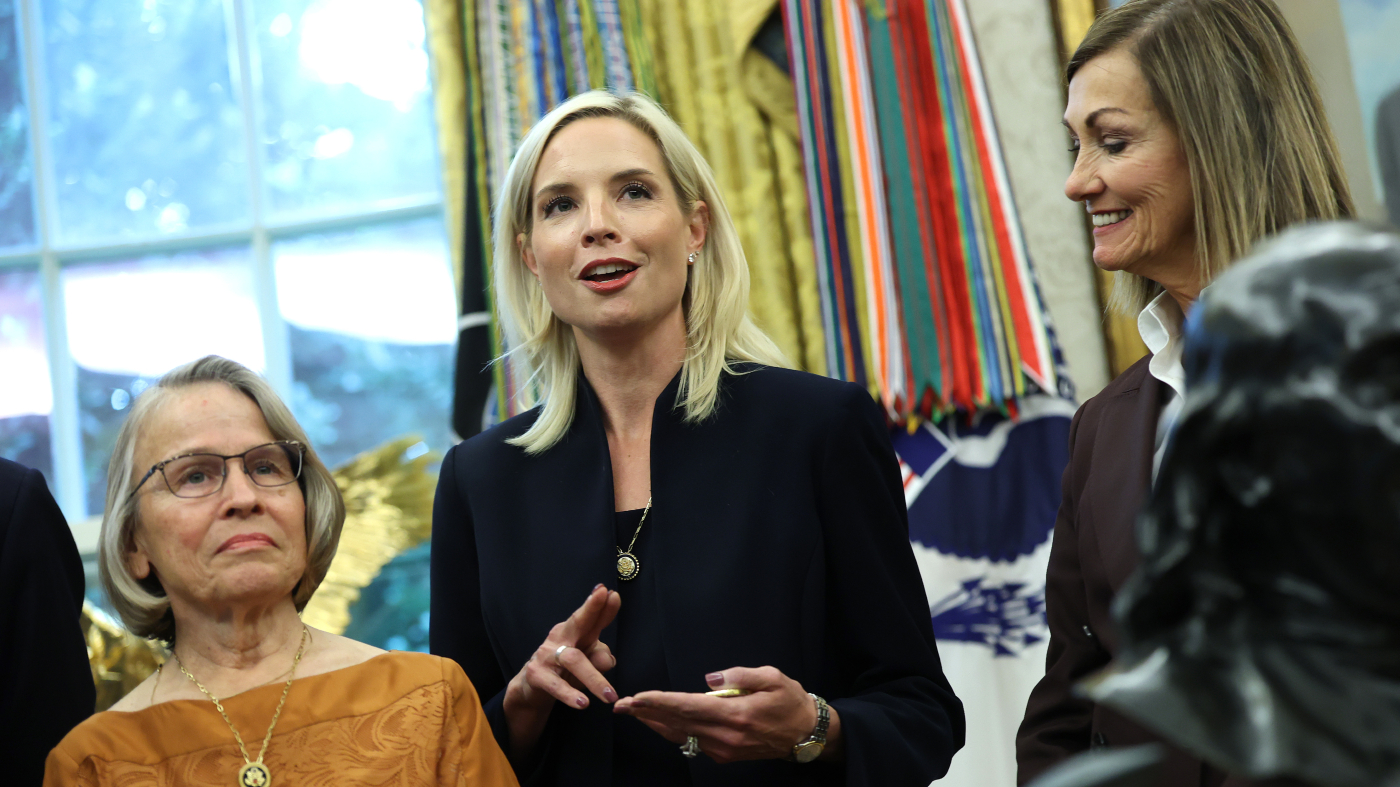
Iowa Senate GOP candidate Ashley Hinson said on Tuesday that she didn’t agree with a recent deal President Trump struck with Russia that would import 300,000 tons of diesel to the U.S. and global marketplace, taking issue with the U.S. making a deal with an adversary.
“We need to lower gas prices in this country. We need to lower diesel prices, but I don’t think we need to be making a deal with Russia to do it,” Hinson said during the second televised Iowa Senate debate hosted by WHO 13, an affiliate of Nexstar, which also owns The Hill.
“I think we should be doing it by lowering the gas tax temporarily, making sure we’re actually looking at potentially a diesel rebate program for our producers, investing in America’s biofuels, which is the homegrown answer that we have right here in Iowa,” she added.
The president announced a deal last week that Russia had agreed to import 300,000 tons of diesel to the U.S. and global marketplace as Trump looks to quickly reverse high gas prices just weeks out from the election.
The deal prompted bipartisan blowback, including a letter signed by six GOP senators and released on Tuesday that criticized the president for striking the deal with Russia.
Hinson told The Associated Press earlier on Tuesday that “It makes me a little bit nervous anytime we’re talking about relieving a sanction on Russia.”
Turek quipped it was a rare issue where the two of them agreed, saying he also didn’t support a diesel deal with Russia.
“We actually agree on this. I want to do everything that I can because everywhere I’m going, all across Iowa, I’m hearing from Iowans talking about gas prices and diesel prices,” Turek said. “But I don’t think it should be at the expense of benefiting the economy of someone like a Vladimir Putin, who we clearly cannot trust.”
The issue has become an awkward issue for other Senate candidates, including South Carolina Sen. Darline Graham (R), who did not say during a debate with Democrat Annie Andrews over the weekend whether she agreed with the president’s deal.
“I think that everybody wants the war in Ukraine to end. We will all be safer when the war in Ukraine ends,” Graham said during the debate .
She said she was “proud” to help pass legislation that had enacted sanctions on Russian energy buyers.
“It gives the president tools that he can use if he so chooses to end the war through economic sanctions. So that’s up to him as to whether or not he wants to use it or whether he wants to use something else,” she said. “But I think the purpose of it is to bring down the gas prices and ultimately end the war. And when the war ends, gas prices will fall.”
Last month, Hinson declared that Iowans “shouldn’t have to foot the bill at the pump or the checkout line for the war in Iran,” a notable acknowledgment by a GOP candidate in a key battleground state that President Trump’s foreign policy is hitting Americans hard in the wallet.
Topics in this story
Gathered from external sources. Rights to this text belong to whoever originally published it.