Virginia may be building a national model for corrections
Public safety is not measured only by the number of people sent to prison.
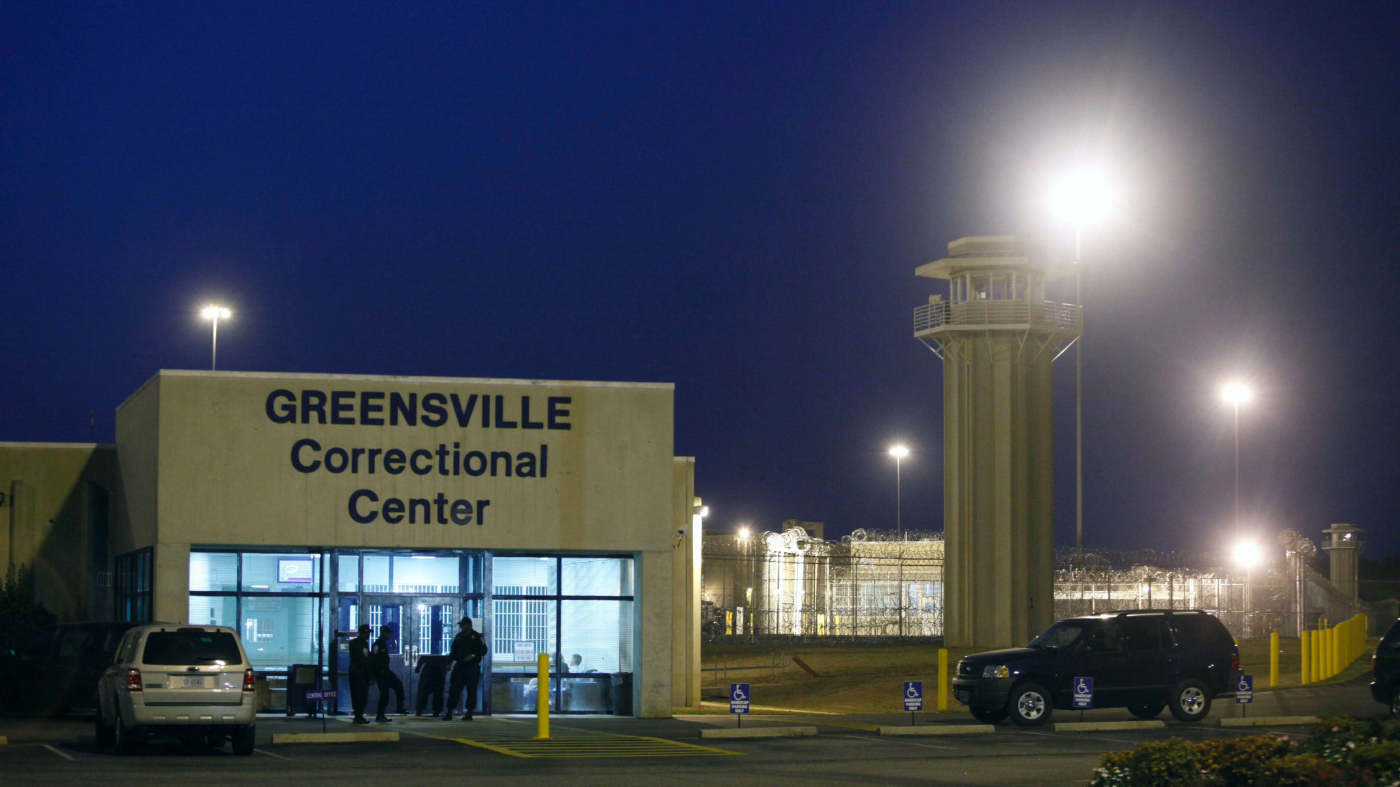
For years, America’s criminal justice debate has been defined by the false choices of supporting correctional officers, being tough on crime and prioritizing punishment, versus supporting incarcerated people, investing in rehabilitation and prioritizing second chances. Virginia is demonstrating that effective public safety requires all of the above.
During Gov. Abigail Spanberger’s (D) first months in office, Virginia has reported a 56 percent reduction in serious assaults on correctional staff, a 47 percent decline in confirmed overdoses and a 27 percent reduction in facility lockdowns compared with the same period a year earlier. Those numbers represent safer workplaces for correctional officers, safer institutions and a stronger foundation for rehabilitation.
But statistics alone do not explain what is happening. They reflect a broader shift in philosophy. Rather than treating corrections solely as a system of confinement, Virginia is increasingly treating it as an essential part of its public safety strategy.
The reforms announced over the last several months tell a consistent story. The commonwealth recently expanded its Intensive Reentry Program into Red Onion State Prison, among the first maximum-security prisons in the nation to implement a program of its kind. It created the Governor’s Community Partnership Council on Corrections to bring together correctional officers, victims, law enforcement, former inmates, families, faith leaders and community organizations to advise state leaders.
Spanberger also restored the civil rights of more than 66,000 Virginians who have completed their felony sentences, allowing them to vote, serve on juries, seek public office and more fully participate in civic life.
Viewed individually, these initiatives may appear unrelated. Viewed together, they represent an effort to rethink what public safety looks like after a conviction. Spanberger summarized that vision when announcing the expansion of reentry programming at Red Onion.
“Reentry programming should not stop at the doors of our maximum-security facilities,” she said . “Long-term public safety requires preparing individuals for a successful, lawful return to their communities, regardless of where they serve their sentence.”
That statement recognizes a simple reality. Nearly everyone incarcerated in Virginia today will eventually return to a community somewhere in the commonwealth. The question is not whether they will return. The question is whether they return with the tools to succeed.
My father spent 33 years working for the Virginia Department of Corrections, beginning as a correctional officer and retiring as an assistant superintendent. Through him, I learned that prisons are not isolated from society. They are workplaces. They are communities. They are institutions charged with protecting both the people who work inside them and the public beyond their walls.
Correctional officers deserve to return home safely every day. Victims deserve justice and fewer future victims. Families deserve hope. Communities deserve safer neighborhoods. Those goals reinforce one another. A prison that is safer for staff is more likely to be safer for those incarcerated. Effective rehabilitation reduces the likelihood of future crime. Successful reentry lowers the human and financial costs of recidivism.
Virginia’s new Community Partnership Council reflects another valuable principle: Good corrections policy should not come solely from politicians or agency executives. Correctional officers understand institutional realities. Victims understand the lasting impact of crime. Families understand the challenges of maintaining relationships during incarceration. Formerly incarcerated Virginians understand the barriers to rebuilding their lives. Local organizations understand what support exists — or does not exist — once someone returns home.
As Spanberger said when announcing the council, she wants to hear directly from all of those closest to the system. This is not a sign of weakness, but one of the strongest forms of accountability. The restoration of civil rights for more than 66,000 Virginians reflects that same philosophy. Restoring the right to vote does not erase a criminal conviction. It recognizes that once someone has completed a sentence, successful reintegration is strengthened when people are encouraged to become active participants in civic life rather than permanent outsiders.
Virginia’s early progress is encouraging, but maintaining it will require sustained commitment. The commonwealth should continue expanding evidence-based cognitive behavioral programming and reentry services to additional facilities. It should invest further in recruiting, retaining and supporting correctional officers, whose safety remains fundamental to any successful reform effort.
The new Community Partnership Council should publish regular public recommendations and annual progress reports, so Virginians can measure whether reforms are achieving their goals. And the administration should continue tracking and publicly reporting outcomes such as assaults, overdoses, recidivism, staffing levels and successful reentry, so policy is guided by evidence rather than politics.
Public safety is not measured only by the number of people sent to prison. It is measured by whether correctional officers return home safely, whether victims are protected, whether fewer people commit new crimes and whether those who have completed their sentences are prepared to become productive members of their communities.
Virginia has not solved every challenge facing its correctional system, but it is asking the right questions. If it continues on this path, it will not simply improve its prisons. It may become a national model for what smart public safety looks like.
Jeff Bennett is the author of “The Black Belt of Virginia: Untold Stories of African American History,” published by The History Press.
Topics in this story
Gathered from external sources. Rights to this text belong to whoever originally published it.