Dolly Parton, civic icon
In the most American fashion, when Dolly Parton saw things that needed doing, she did them.
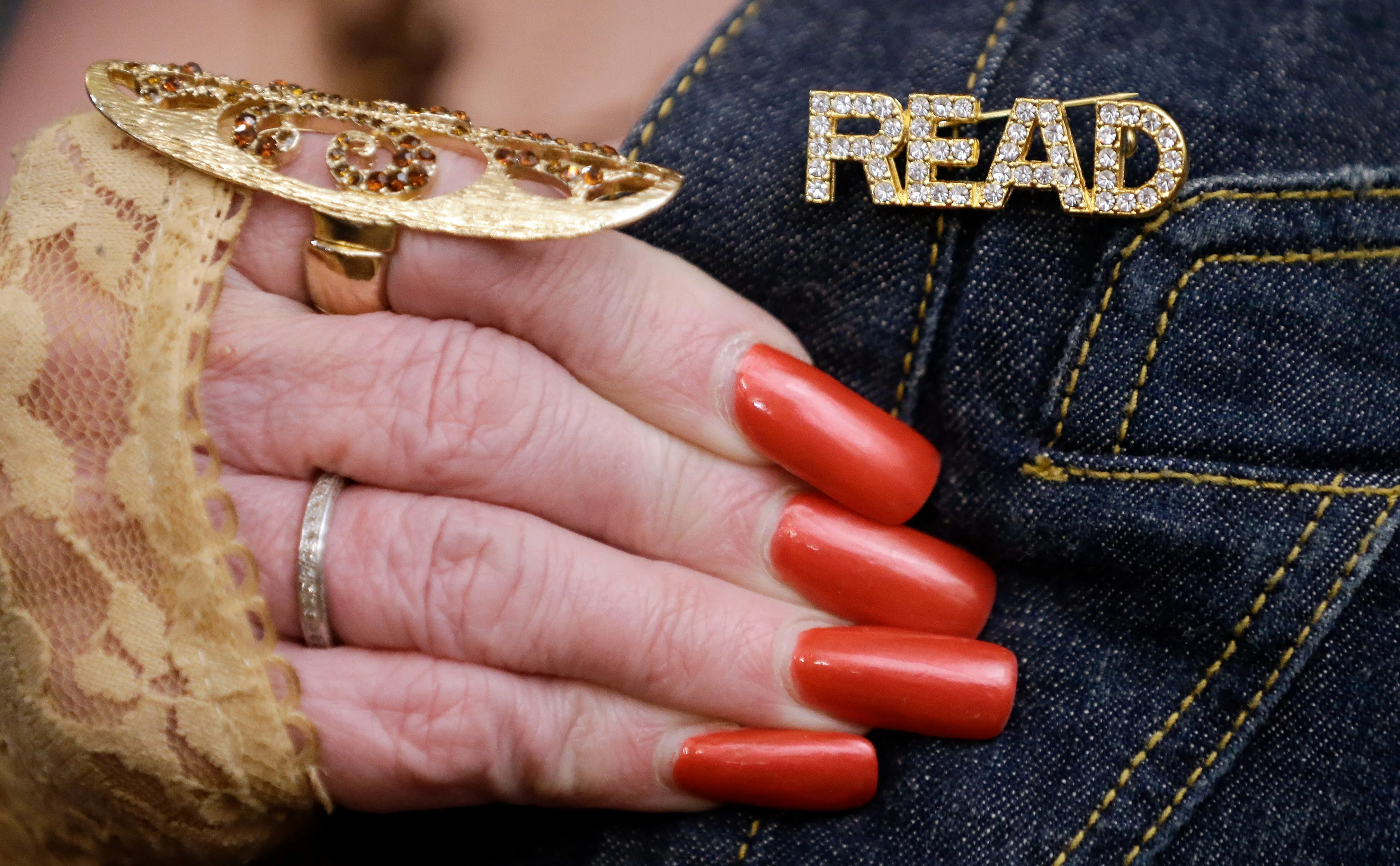
Dolly Parton will be called many things in the days after her death. A music icon. A cultural icon. A business icon. A champion of childhood literacy. One of America’s great philanthropists. I want to add one more: civic icon.
Not a political one. Dolly was careful about that. She didn’t tell Americans how to vote or what to think about the controversy of the day. She didn’t tell us how to live. She showed us.
In the most American fashion, when she saw things that needed doing, she did them. Kids in her home county needed books. She sent them books. Teenagers were dropping out of high school. She paid them to graduate. Her community needed jobs. She helped build an amusement park. Families lost their homes to wildfire. She gave them money.
There is a civic philosophy in there, even if Dolly would never have called it one. Her instinct was to ask: What can I do?
We tend to teach self-government through political structures: constitutions, elections, federalism separation of powers. But self-government also depends on the habits of the people doing the governing. Citizens have to believe they can act. Dolly did.
Her father, Lee Parton, never learned to read or write . In 1995, Dolly decided to honor him by doing something about childhood literacy in Sevier County, Tenn. Her idea was simple: send kids books. Every month, from birth until kindergarten, a new book would arrive in the mail. What started in one Tennessee county became the Imagination Library, which has put hundreds of millions of books into children’s hands.
There are complicated questions about how to improve literacy. Dolly didn’t need to settle any of them before getting started. Children who don’t have books need books. So she gave them books.
Her response to Sevier County’s dropout rate was more ingenious. Dolly created the Buddy Program . Seventh and eighth graders chose a friend. If both graduated from high school, Dolly paid each $500. It’s such a Dolly solution — she understood that $500 could get a teenager’s attention. But she also made the kids responsible for each other. You didn’t get the money just because you graduated; your buddy had to graduate, too. Your success was tied to someone else’s. Someone was counting on you, and you were counting on them.
Alexis de Tocqueville noticed this habit among Americans almost two centuries ago. When they encountered a problem, they formed associations. They gathered people, raised money, built organizations and tried to find solutions. We sometimes make “civil society” sound more abstract than it is. At its heart, it is people doing things together. Dolly was good at that.
Dolly’s civic imagination extended beyond philanthropy. She easily could have made it big and left East Tennessee behind. Instead, Dolly kept investing there.
Her community didn’t only need charity. People needed jobs. Businesses needed customers. The region needed visitors and reasons for people to build lives there. So Dolly came up with a solution of extraordinary imagination and scale: an amusement park .
Dollywood also challenges the instinct to separate commerce from civic virtue. Dolly deeply understood markets and ownership. She held onto the rights to her songs and made a great deal of money by creating things people wanted. Her ambition and generosity weren’t opposites. Neither were her fierce individualism and her responsibility to other people.
When wildfires devastated Sevier County in 2016, Dolly created the My People Fund, which gave cash directly to families who had lost their homes . The families knew what they needed. Dolly gave them resources and trusted them to choose. That shows a deep respect for her neighbors.
The government has an essential role to play in American life. But a free society cannot flourish if citizens assume every shared problem belongs to someone else. Self-government asks us to retain the habit of looking closer to home. What needs doing? What can I do? Who else can I bring along? Sometimes the answer is small. Help a neighbor. Join an organization. Coach a team. Sometimes, when you can, the answer is to build a Dollywood.
Dolly never lectured Americans about citizenship. She practiced it joyfully. Her civic virtue came with rhinestones and humor. She loved her community enough to keep investing in it. She was one of the most distinctive individuals America has ever produced, but her confidence was never only in herself. She possessed an equally deep confidence in other people and their capacity for good.
At a moment when we worry so much about Americans’ loss of trust in institutions, Dolly’s life makes me wonder whether we’ve lost some trust in ourselves, too. Do we still believe we can get people together and make something better? Dolly did.
A kid needs a book? Send one. A teenager needs a reason to stay in school? Give her one. Your hometown needs jobs? Build something. Your neighbors lose their homes? Help them rebuild. Dolly Parton didn’t leave us a theory of citizenship. She left us something better: a model of citizenship rooted in freedom, responsibility, generosity and action.
That is why, among all the other titles she earned in a remarkable American life, I hope we remember Dolly Parton as a civic icon.
Rachel Davison Humphries is senior director of civic learning at the Bill of Rights Institute.
Topics in this story
Gathered from external sources. Rights to this text belong to whoever originally published it.