Trump administration keeps TPS in place for El Salvador for now
The Trump administration has not said whether it will let deportation protections lapse for Salvadoran nationals in the U.S. — a different track after the Department of Homeland Security (DHS) ended Temporary Protected Status (TPS) for 13 other countries. The department on Wednesday said TPS would remain in effect for El Salvador, a country led…
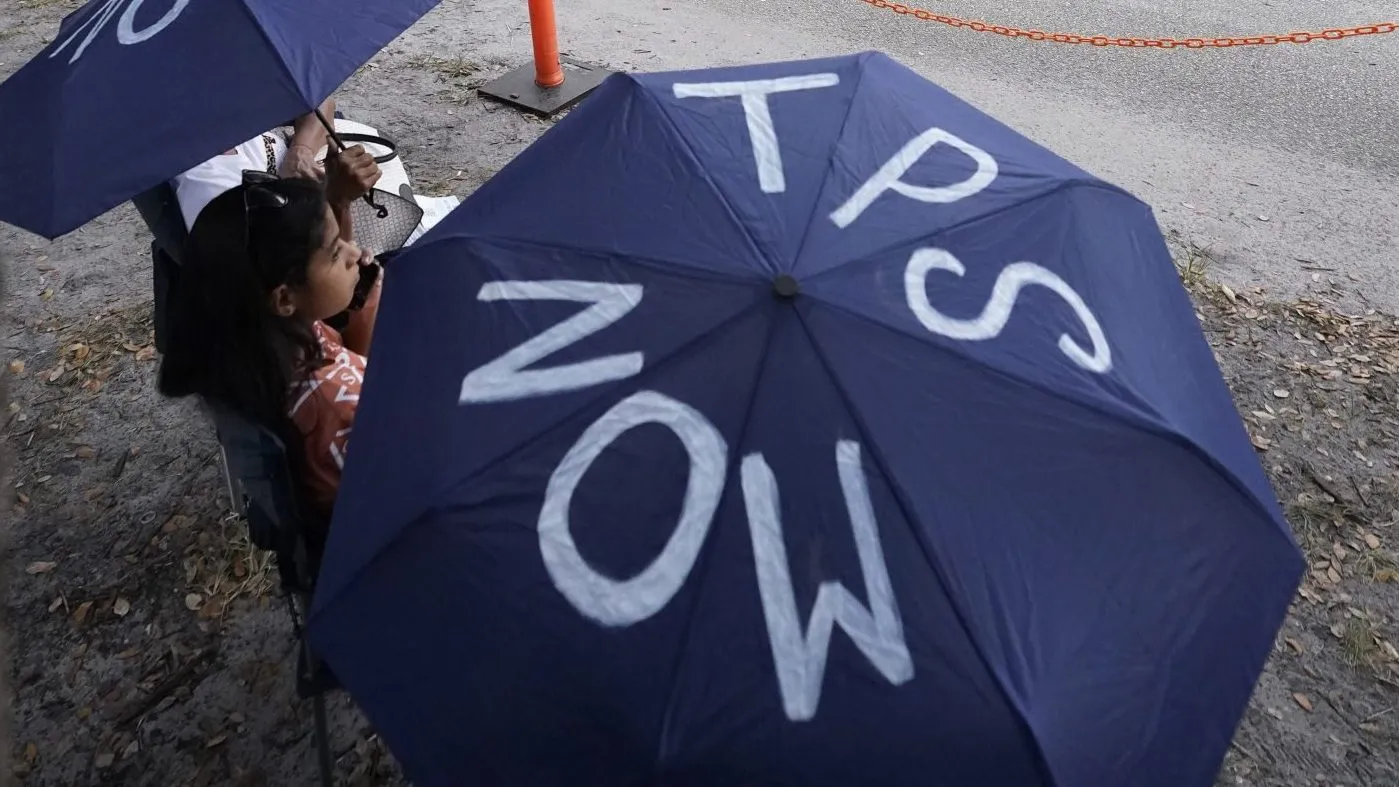
The Trump administration has not said whether it will let deportation protections lapse for Salvadoran nationals in the U.S. — a different track after the Department of Homeland Security (DHS) ended Temporary Protected Status (TPS) for 13 other countries.
The department on Wednesday said TPS would remain in effect for El Salvador, a country led by Trump ally Nayib Bukele, who last year agreed to imprison U.S. deportees in exchange for millions of dollars from the administration.
“An announcement on El Salvador’s TPS will be made at the appropriate time. Until such announcement is made, Salvadoran individuals present in the U.S. under TPS retain protection,” DHS said in a statement.
DHS has not always immediately announced decisions on how it will handle expiring TPS programs, but it has fought aggressively in court to end the program, arguing that the temporary protections must be temporary.
The Supreme Court earlier this year determined the courts did not have the power to review the administration’s decision, allowing for the end of TPS for some 350,000 Haitians.
In addition to El Salvador, just three other countries have TPS protections that will soon expire: Sudan, Ukraine and Lebanon.
TPS allows nationals from a designated country to remain in the U.S. if it’s determined that unrest or natural disasters would make it unsafe to conduct deportations.
Haiti appears to clearly meet the parameters of the program, as the U.S. currently does not allow commercial flights into the country as gangs routinely shoot at planes. The country has remained in a transitional government since the 2021 assassination of its prime minister.
El Salvador shares characteristics with other countries the Trump administration has determined no longer qualify for TPS.
TPS for El Salvador was first established in 2001 after two massive earthquakes, and 170,000 people currently hold the protections.
The Biden administration extended the protections just days before the end of its term.
“While progress has been made in repairing physical damage caused by the 2001 earthquakes, subsequent environmental disasters, infrastructure challenges, continued climate risks, a weak macroeconomic environment, and food insecurity underscore that the country conditions underlying the original designation continue to significantly disrupt living conditions in El Salvador,” DHS wrote at the time.
The Trump administration ended TPS for other countries in the same region that were also struck by natural disasters, ending the protections for Nicaragua and Honduras, which were both designated in the wake of Hurricane Mitch in 1999.
Bukele has been a top ally of President Trump, accepting both Salvadoran and Venezuelan deportees and holding them in one of the country’s most notorious megaprisons.
He has also touted the security of an El Salvador previously marred by violence, a dynamic achieved after imprisoning tens of thousands of Salvadorans.
Topics in this story
Gathered from external sources. Rights to this text belong to whoever originally published it.