Bettors are harassing college athletes. It’s time for Congress to act.
As illegal sports betting continues to fuel online abuse against collegiate athletes, there is growing calls for Congress to pass federal legislation establishing a national banned bettors registry and allowing athletes to sue harassers.
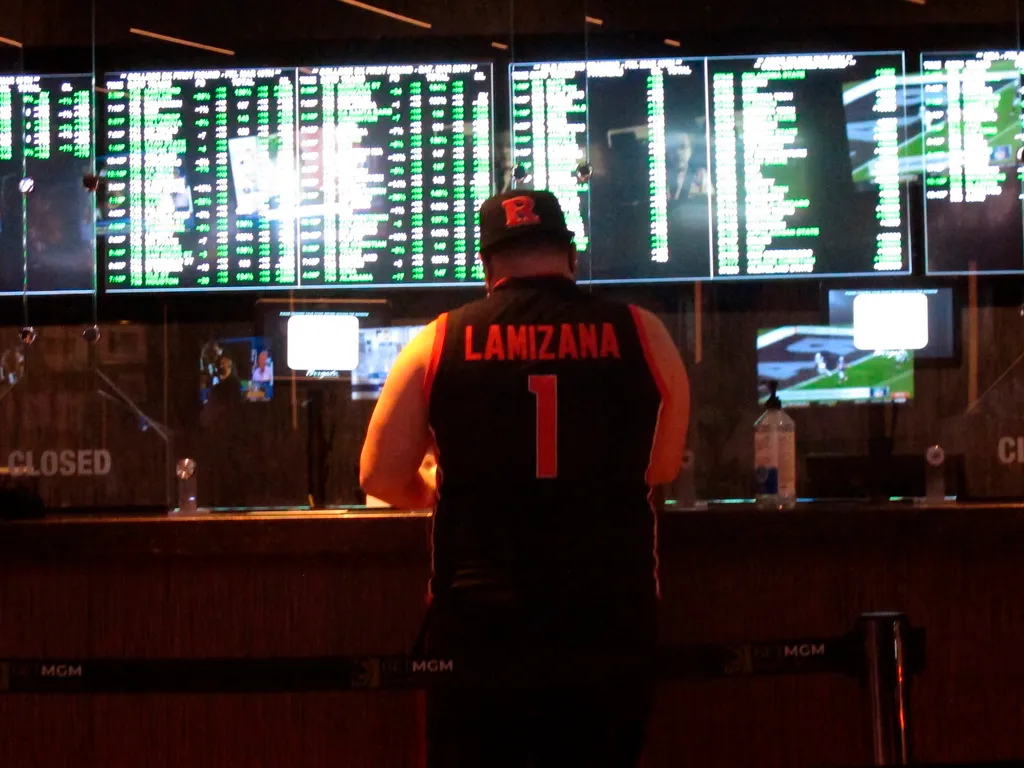
Growing up, mom always said, “if you don’t have anything nice to say, then don’t say anything at all.” While she was unaware at the time, this phrase may become pointed legal advice — especially if you are a college sports fan or bettor.
College athletes across the country deal with abusive and vulgar messages from sports fans daily. Take Florida State forward Cam Corhen for example, who after being injured early in a basketball game and only scoring two points, returned to his phone filled with hateful messages from bettors, including one that said, “I hope your mom dies.” Or, North Carolina forward Armando Bacot, who received over one hundred messages demeaning him for having too few rebounds, just 12 days after North Carolina legalized player prop bets on collegiate sports.
Collegiate athlete harassment stemming from sports betting is a widespread issue. One in three high-profile athletes receive abusive messages from people with a betting interest. Student-athletes are demanded to strenuously prepare for their competitions multiple times per day, compete at a high level each week, and simultaneously, perform well academically. Beyond that, in the age of NIL , they are incentivized for maintaining extremely public-facing profiles online. These athletes face an impossible choice: build the public profile NIL demands or protect themselves from relentless online abuse.
Because these young athletes should not have to make such a decision at this stage in their lives, federal legislation is necessary to combat the issue. As legalized sports betting intensifies fan motivation to abusively target athletes, Congress must intervene by implementing a national banned bettors registry for individuals convicted of sports-related harassment and by allowing athletes to sue people who engage in repeated betting related harassment.
Now, it is easier than ever to place bets on individual players via prop bets that allow bettors to place wagers on specific player statistics. This gives fans greater cause to direct their harassment toward individual athletes. Some advocates even argue in favor of banning prop bets on college athletics or eliminating college sports betting altogether. However, because those courses of action are guaranteed to be met with fierce opposition advocacy by the gambling lobby and will take much longer to implement, federal legislation is a better, more expedient option.
This issue has not gone unnoticed, but the measures in place to deter or cure online abuse are failing. Social media or culture campaigns like the NCAA’s “Don’t Be a Loser” initiative encourage fans to be mindful of the statistics underlying gambling related harassment of student-athletes, but awareness campaigns lack teeth.
Additionally, the current legal framework underlying this issue is highly decentralized. Some states ban prop bets and others do not . Some implement banned bettor lists, and some prohibit all sports betting. This structure makes it impossible to protect all collegiate athletes across state lines.
To address this gap, Congress should implement a federal standard that targets online harassment tied to sports betting. First, federal legislation should impose criminal penalties for individuals who engage in online conduct that causes substantial emotional distress or fear for safety. A model for this approach can be found in a New York’s Senate Bill under consideration , which defines harassment in a way that captures the type of abusive and threatening messages these athletes routinely receive. The bill goes even further and designates those individuals convicted of harassment and stalking an amateur athlete as a prohibited sports bettor. A federal standard would ensure consistent treatment across jurisdictions.
Additionally, the legislation should allow collegiate athletes to sue individuals who engage in this type of abusive conduct. The ability to recover monetary damages would create a meaningful deterrent. Because much of this behavior is driven by financial frustration tied to lost wagers, attaching a financial penalty to that behavior directly targets the source of the problem.
Critics may attempt to mount free speech objections, but this narrowly tailored proposed solution is not aimed at criticism or negative commentary about athletic performance. The legislation would focus on true threats and targeted, repeated harassment toward a student-athlete. The Supreme Court has long recognized that speech made with the intent to threaten or intimidate is not protected under the First Amendment. Essentially, fans should feel free to criticize athletes, but not to terrorize them.
A federal approach would standardize accountability in ways state-by-state systems cannot. Rather than relying on inconsistent banned bettor lists and varying state regulations, national legislation would create a baseline level of protection for collegiate athletes, regardless of where they compete or where the harassment originates.
College athletes accept pressure when they step onto the field. They should not have to accept abuse when they step off it. Moving forward requires more than awareness; it requires accountability. Most importantly, it requires a commitment to protecting the well-being of the athletes who make college sports possible.
Deymon X. Fleming, Jr. is a J.D. candidate at the University of Georgia School of Law.
Topics in this story
Gathered from external sources. Rights to this text belong to whoever originally published it.