Supreme Court, over liberal dissents, lets DHS overhaul immigration database for midterms
The Supreme Court cleared the way Friday for the Trump administration to implement its overhauled immigration database, which it says is aimed at combatting voter fraud, in time for November’s elections over the dissent of the liberal justices. The overhaul faced opposition from Democrats and some voting groups, and a judge had blocked it for violating…
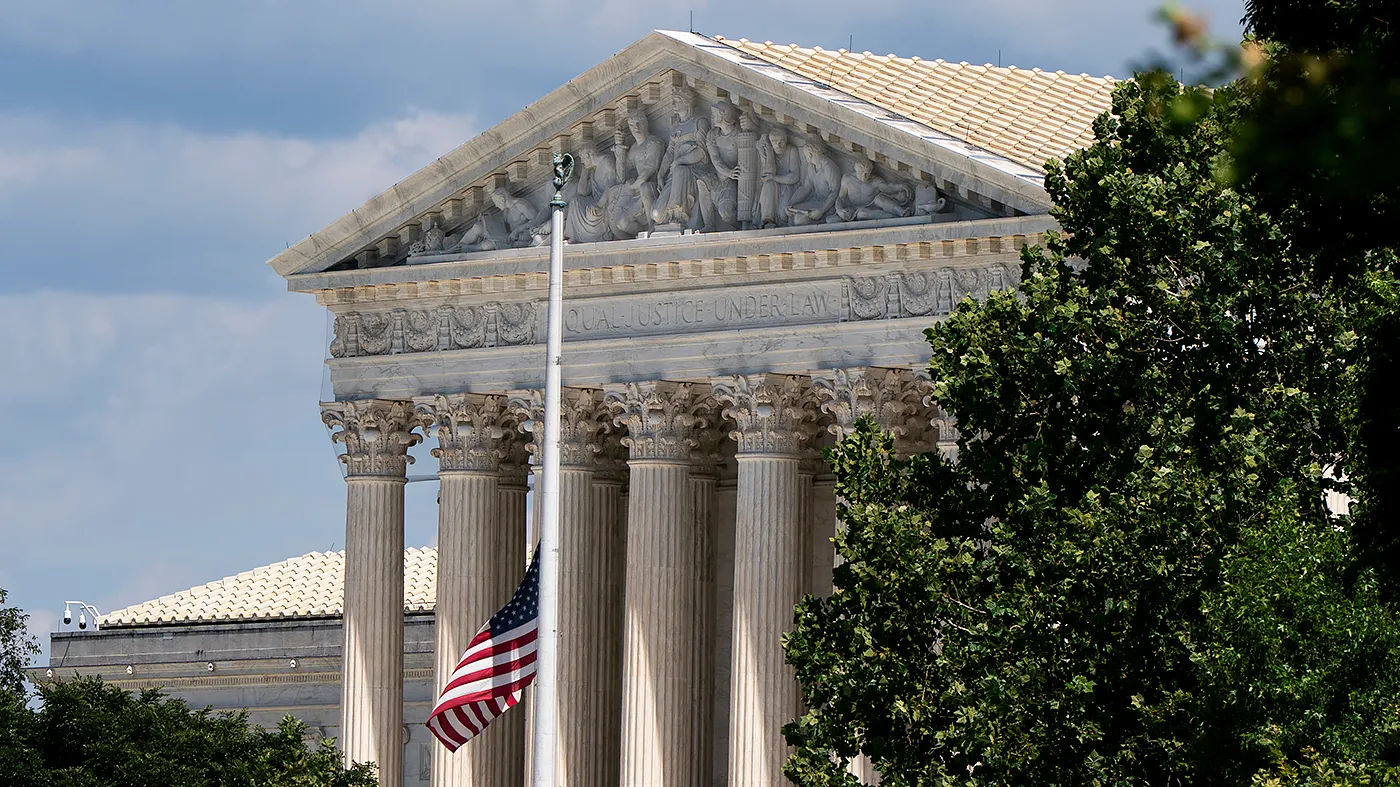
The Supreme Court cleared the way Friday for the Trump administration to implement its overhauled immigration database , which it says is aimed at combatting voter fraud, in time for November’s elections over the dissent of the liberal justices.
The overhaul faced opposition from Democrats and some voting groups, and a judge had blocked it for violating federal privacy law. The Supreme Court’s emergency ruling lifts that block, finding the challengers’ claims are likely to fail.
The majority wrote that “the Federal Government has an obligation to respond to requests from state and local election officials seeking to verify the citizenship of voters.”
“The order below prevents the Federal Government from using the program it believes is best suited to the task,” the court wrote.
The Department of Homeland Security’s (DHS) Systematic Alien Verification for Entitlements (SAVE) service is used to determine eligibility for certain federal programs.
The DHS made significant updates after President Trump directed the agency to ensure election officials had appropriate access to verify their voters’ citizenship. The changes connect SAVE to Social Security records, among other updates.
The three liberal justices publicly dissented, led by Justice Ketanji Brown Jackson.
“In my view, however, the harm caused by burdening or disenfranchising even a few lawful voters outweighs the nonexistent harm that the Government experiences when it is prevented from taking an action that it likely lacks the authority to take,” Jackson wrote, joined by Justices Sonia Sotomayor and Elena Kagan.
It is not a final ruling, but the justices’ order means the overhaul can proceed for the midterms as the litigation continues. The case now returns to the lower courts.
The dispute is among election-related emergency litigation that has swarmed the Supreme Court in the lead-up to the midterms.
Trump’s win comes just days after the court ruled against him on his mail-in voting plan . And days earlier, the court ruled against Missouri Republicans by lifting a judge’s directive to proceed with their new congressional map. That case has now returned to the justices once again.
Solicitor General D. John Sauer told the Supreme Court that the SAVE overhaul is needed to protect election integrity.
“DHS’s SAVE system was not up to the job because it lacked comprehensive data about natural-born citizens, permitted searches only one record at a time, and required the user to supply a person’s alien registration number (or other DHS number)—which States often do not know,” Sauer explained.
U.S. District Judge Sparkle Sooknanan, an appointee of former President Biden, blocked it in June. She found the changes violated the Social Security Act and a federal law that regulates how the government can disclose individuals’ personal data.
The Trump administration brought her ruling to the Supreme Court after the U.S. Court of Appeals for the District of Columbia Circuit declined to lift her order in a 2-1 vote.
Voting groups called the overhaul “unprecedented” in their filings with the Supreme Court and urged the justices to not get involved.
“Today’s decision is profoundly disappointing, as it puts millions of Americans at risk of being unlawfully targeted by the administration’s unreliable voter purge database weeks before the midterm elections,” the League of Women Voters said in a statement. The group is leading the lawsuit.
“However, this case is not over,” the statement continued. “The D.C. district court ruled that the expanded SAVE program violated multiple laws. We will be doing everything in our power to protect Americans’ voting and privacy rights by ensuring that the district court decision stands.”
Topics in this story
Gathered from external sources. Rights to this text belong to whoever originally published it.