Healthy food is the missing piece in health savings and flexible spending accounts
Fruits and vegetables are the ultimate over-the-counter medicine — good for you, proven to help and something we should make easier for people to afford.
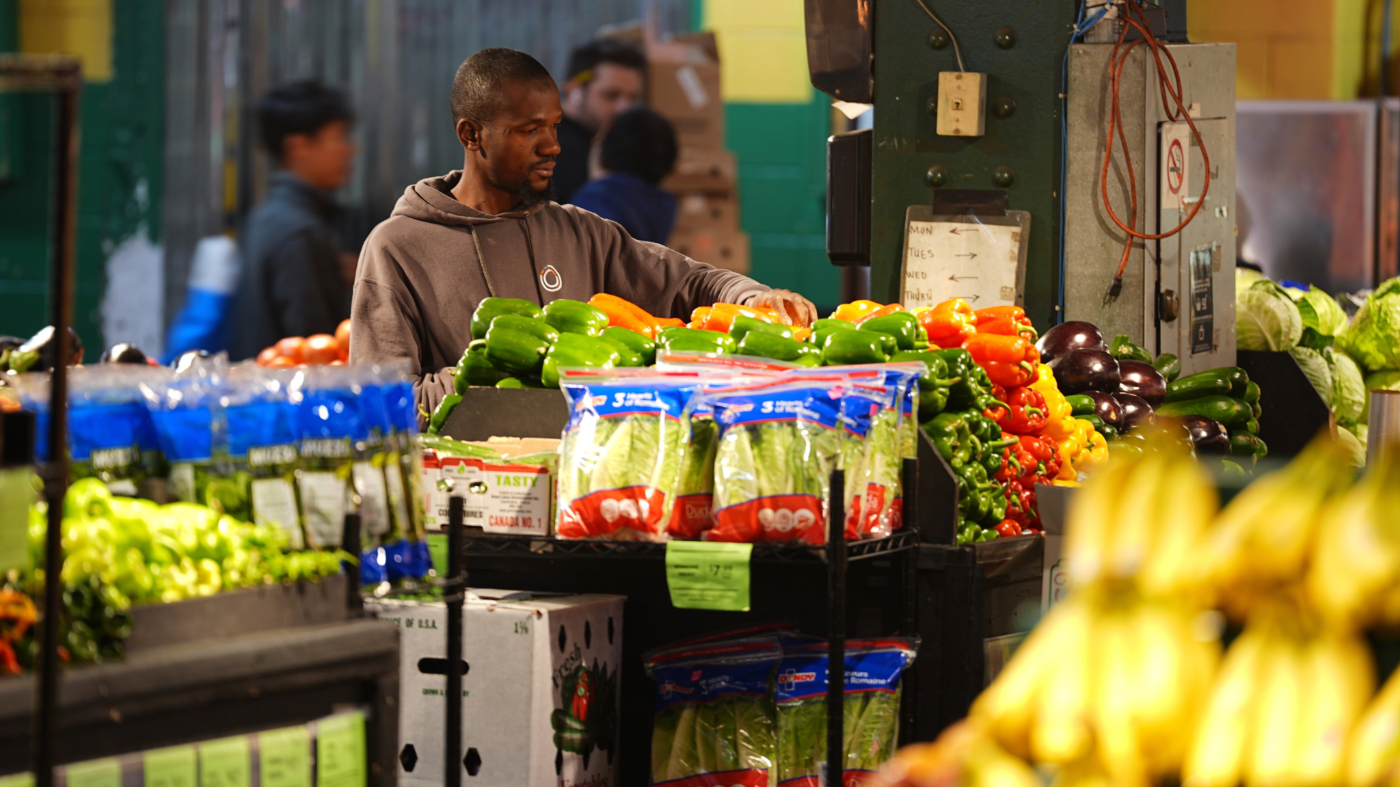
Our country is facing a chronic disease epidemic. Sixty percent of American adults have at least one chronic disease and we spend $5.3 trillion a year on healthcare.
In a political climate where it’s hard to agree on anything, the positive in this case is that there has been a decades-long, widespread alignment that diet and exercise are critical to reversing this trend. As CEO of an organic food provider, I am glad to see things are changing in the right direction.
So why haven’t we made more progress? As it relates to the food side of the equation, the release of the U.S. Department of Agriculture’s updated dietary guidelines has received a lot of attention, but every version of those guidelines for decades has lifted up the benefit of whole fruits and vegetables and for good reason.
PLOS Medicine found in a 2019 study that if Americans met their daily fruit and vegetable guidelines, they could prevent 1.93 million cardiovascular events and save $40 billion in U.S. healthcare costs. An apple a day really could keep the emergency room away. Yet only 10 percent of Americans eat the recommended amount of vegetables and only 12 percent eat the recommended amount of fruit.
This is not a consumer education problem. It’s an access problem. Tightening budgets and rising food costs shift hungry consumers to cheaper and more heavily processed foods.
On the exercise front, in June, Harvard released a new study that found that long-term resistance training increased your chances of living longer, in fact it represented a 13 percent lower risk of all-cause mortality, 19 percent lower risk of cardiovascular mortality and 27 percent lower risk of neurological disease mortality.
The percentages are startling, but we’ve known about the link between exercise for so long that our federal government has gone beyond simply encouraging us to go for a run. There’s a reason the IRS allows health savings accounts and flexible spending accounts to pay for exercise apps, gym memberships and equipment.
So why haven’t we made the same possible for healthy food?
Americans have $160 billion sitting in health savings and flexible spending accounts — pre-tax money specifically earmarked for their health. Under IRS rules, they can spend it on exercise programs, prescription drugs, medical devices, acupuncture and even sunscreen.
But not on an apple. Not on a bag of spinach. Not on the organic blueberries that decades of research show can reduce the risk of heart disease, type two diabetes and certain cancers. On the contrary, a flexible spending account will allow an American family to pay for a type two diabetes drug, Metformin , but it won’t pay for the vegetables that could help someone avoid needing it.
This isn’t just ironic — it’s backwards.
More than half of American adults — 119 million people — have high blood pressure and have to take blood pressure meds they pay for with their health savings accounts. But those same accounts won’t pay for the foods proven to lower blood pressure without drugs.
We have over $160 billion in health savings account assets and roughly $30 billion in annual flexible spending account contributions, but the IRS definition of health excludes the single most evidence-backed intervention for chronic disease prevention: eating more fruits and vegetables.
Congress should expand health savings and flexible spending account eligibility to include fresh, frozen and canned fruits and vegetables. Whole produce; not processed food disguised as health food. It takes pre-tax money that workers already earned and already saved for and lets them use it for the foods that prevent disease.
Congress should amend health savings and flexible spending eligibility to include fruits and vegetables, to allow families to use $500-$1,000 a year of that money to buy healthy fresh food. And on the executive branch side, the Make America Healthy Again Commission should include health savings and flexible spending produce eligibility in its policy recommendations.
Will this work? Well, we don’t have to look far to make a case. Two programs that empower families, SNAP and WIC, prove consumers will buy healthy food if they have access.
The Double Up Food Bucks program operates in more than 25 states and provides a $1 for $1 match for SNAP eligible families to buy fresh fruits and vegetables. The WIC program provides participants with a monthly allowance specifically to purchase fresh, frozen and canned fruits and vegetables.
Guess what happened? The National Institutes of Health found that the Double Up Food Bucks program led people to spend more on fruits and vegetables, buy greater variety, and make them a bigger part of their grocery purchase.
There is even a recent precedent for this. In March 2020, Congress passed the CARES Act, expanding flexible spending account eligibility to include over-the-counter medications. I’d argue fruits and vegetables are the ultimate over-the-counter medicine — good for you, proven to help and something we should make easier for people to afford.
Turning around the chronic disease trends in this country won’t happen overnight. But we can’t afford to leave proven solutions on the table.
Ricky Silver is CEO of organic food provider Daily Harvest .
Topics in this story
Gathered from external sources. Rights to this text belong to whoever originally published it.