Republicans raised $1.2 billion to reach young voters. Democrats must respond.
The difference between a blue ripple and a blue wave will be the turnout of young voters.
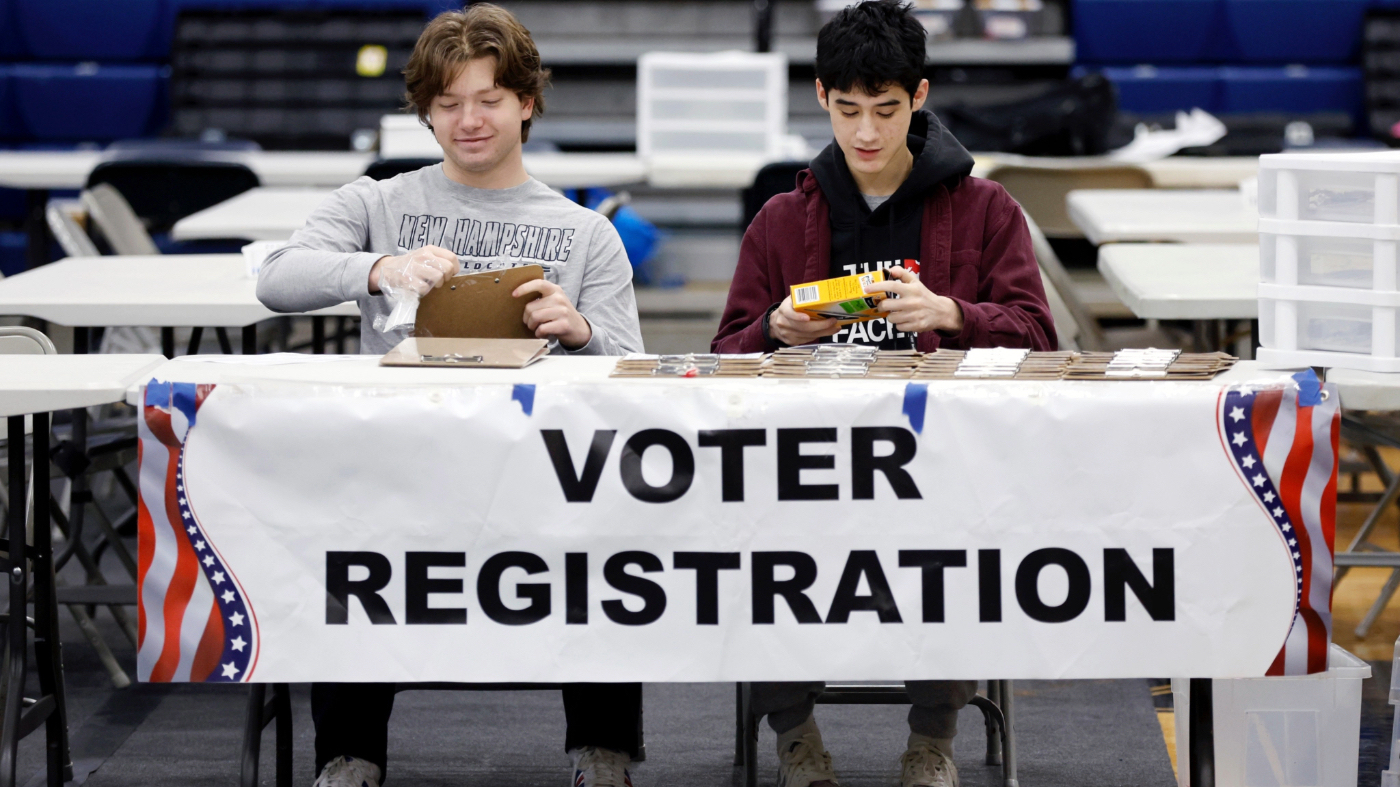
Democrats are poised to have a good election night in November, but the difference between a blue ripple and a blue wave will be the turnout of young voters. Given the electoral landscape right now, young voter turnout could easily determine control of the Senate and whether Democrats’ House majority is a true governing one.
On the left, there is frightening underinvestment in youth organizing, paid media and online engagement programs. It began with the right’s massive $1.2 billion investment in youth in 2024, outspending the left 10 to 1. This trend has continued, with many efforts from the left’s ecosystem short on money for youth programs at the exact time when Trump’s approval with young voters is cratering.
Of the lessons the swing to the right of youth — especially non-college young men — in 2024 taught us, not one of them was that less investment would yield better results.
Young people across the board are with Democrats — we have seen in how they voted in 2025 and consistently across polling in the last few months. Students and young women have always been a base constituency for Democrats. Young men who supported Trump in 2024 are “ swinging away hard from Republicans ” and Trump largely based on the Iran War and the economy.
In battleground Senate races like Texas and Michigan , young people prefer the Democratic candidates anywhere from 20 to 31 points. That advantage is even larger among students: Democrats have a 52-point lead on the generic ballot, according to flytedesk’s September student survey .
But at the same time, we cannot assume young people will turn out to vote. Young people are about 21 points to 27 points less motivated to vote in this off-year election compared to older, more right-leaning voters, even in battleground states. In the last midterm, Gen Z was especially likely to skip the election without intervention, with only 28 percent voting in 2022 compared to 50 percent in 2024.
Turnout among young voters is also very elastic. According to the Voter Participation Center , between 2020 and 2024, turnout among voters under age 35 declined almost 7 percent, representing 2.5 million young voters. Moreover, 40 percent of Gen Z and 36 percent of people under age 35 are not registered to vote — 11 percent among both groups were registered to vote but did not turn out to vote in 2024.
This registration gap and turnout elasticity problem is magnified by the fact that young people are also extremely mobile and face unique challenges to voting as first-time voters.
As of 2025 , 36 percent of voters under age 35 reported having moved in the last two years, and 52 percent reported having moved in the last four years. Just looking at college students in the top battleground states, we have almost 1 million who cross state lines to attend college , not to mention those who move within the state they grew up in for school.
Republican election officials have made it harder for students to vote by denying on-campus polling sites and restricting student IDs across the country, including in North Carolina and New Hampshire . But young organizers are fighting back, whether that be the North Carolina College Democrats making sure students know about polling site changes or the Voters of Tomorrow’s Virginia chapter getting a polling site approved on campus at Hampton University.
Young voters are both one of the most valuable and hardest-to-reach audiences with conventional programs: They don’t watch local news or answer the phone. They live inside a dense web of private group chats, dorm threads, student org servers and campus-specific communities that no traditional broadcast buy, canvasser or ad account can enter.
The most effective way to reach them is through individuals and channels who are already there and already trusted. Luckily, groups nationwide have built the groundwork needed to maximize turnout among young voters.
Republicans have poured over a billion dollars to reach young people. Democrats need to take this threat seriously. Young voters will vote for Democrats by and large, but that’s only if they actually turn out. Twenty-eight states either allow same-day voter registration or have deadlines within 15 days of Election Day. The battle for the youth vote is far from over.
Celinda Lake is a veteran Democratic pollster. Eve Levenson is the chair of the board for Voters of Tomorrow and was National Youth Vote director for the 2024 Harris-Walz campaign.
Topics in this story
Gathered from external sources. Rights to this text belong to whoever originally published it.