Trump seeks affordability wins down midterm homestretch
President Trump is taking every available avenue in his effort to appeal to voters on affordability as frustrations over high prices and economic uncertainty show no signs of subsiding nine weeks out from the midterms. Trump met with oil and gas retailers and refineries at the White House as oil prices jumped again amid the…
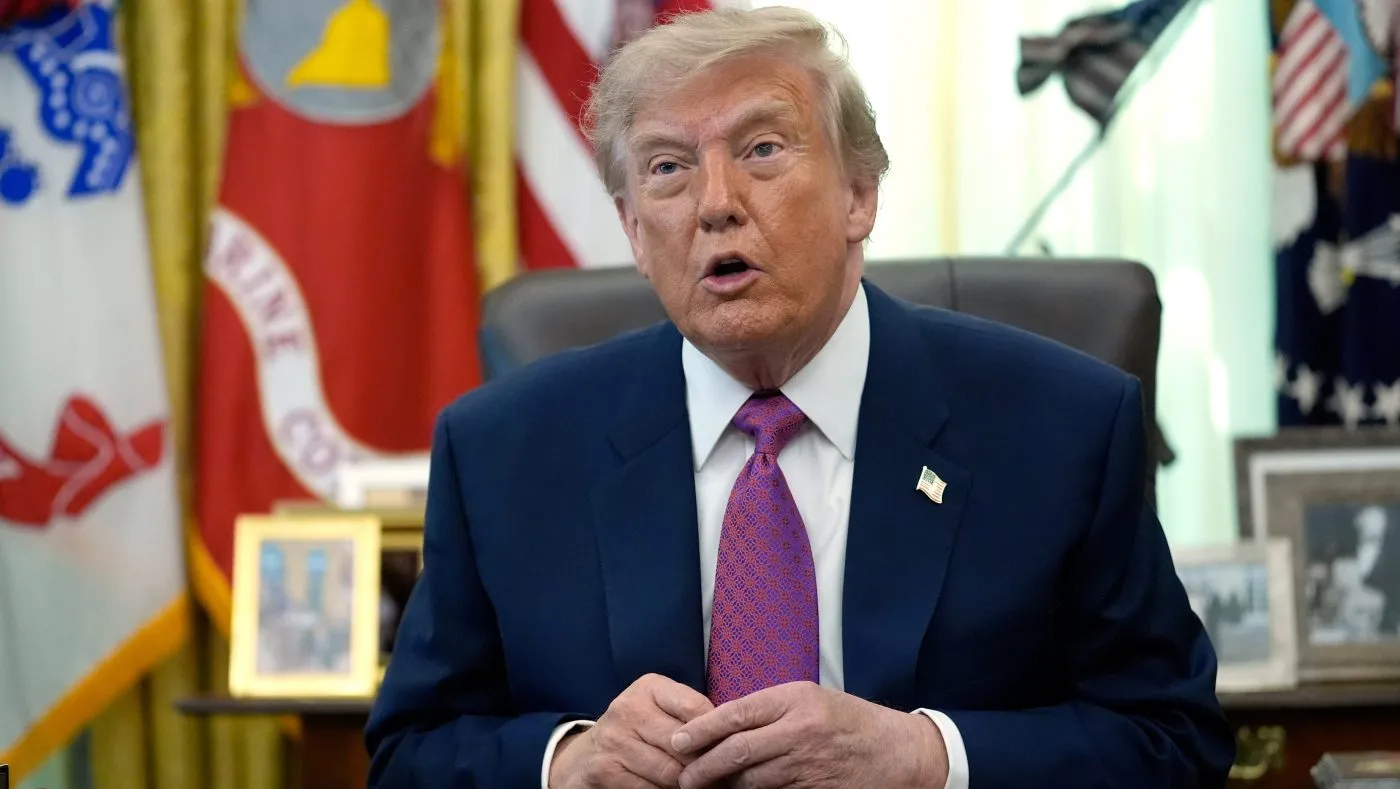
President Trump is taking every available avenue in his effort to appeal to voters on affordability as frustrations over high prices and economic uncertainty show no signs of subsiding nine weeks out from the midterms.
Trump met with oil and gas retailers and refineries at the White House as oil prices jumped again amid the latest strikes in the U.S. war in Iran. The meeting came after Trump announced an oil deal with Venezuela last week, which he also said would lower energy prices.
The president has amplified his efforts to lower drug prices this week, announcing new Medicaid pricing agreements with nine midsize biotechnology and pharmaceutical companies on Monday.
And in a recognition of consumer frustration at the grocery store, Trump has pressed ahead with a temporary pause on beef import tariffs despite fierce backlash from cattle ranchers and their GOP allies in Congress.
The efforts come as numerous polls show Trump’s approval rating declining , which could impact Republicans running up and down the ballot in November.
Seventy-one percent of Americans, including 40 percent of Republicans, said they disapprove of how Trump is handling the cost of living, according to a Reuters/Ipsos poll released Monday.
“Once you’ve reached Labor Day, the narrative is pretty well set in, but does that mean there’s not anything else you can do? You’ve seen him address beef prices and reduce tariffs,” said Marc Short, who served as Trump’s legislative director in his first term and as chief of staff to former Vice President Mike Pence.
Democrats have argued that Trump rolling back tariffs in an effort to lower costs for consumers is a clear admission that tariffs were increasing prices for Americans in the first place, which Trump and his officials have consistently denied.
“They know that that’s an option for them, but they’re just reluctant to do it because they’re committed to the policy,” Short said of tariffs.
Another national Republican operative was hopeful the party could still persuade voters in the final stretch.
“Ads are really just going up on air,” the operative told The Hill on condition of anonymity. “The real spending starts now, post Labor Day, and we’re going to see a ton of resources pour into these districts, and a lot is going to change over the next couple of weeks.”
“I think we already have the ammunition needed in terms of what our members need on the campaign trail and what we need for ads,” the operative said. “What the president is doing, I think, is a great boost and a good supplement.”
Trump is sitting on an enormous war chest with his MAGA Inc. super PAC, which could help amplify efforts like TrumpRx, a platform he touts as creating historic reductions in some drug prices.
Under Monday’s agreement, another nine drug companies were added to his “most favored nation” plan, meaning they will charge state Medicaid programs the same prices for certain outpatient drugs as they charge foreign countries. Companies, in turn, will receive protection from pharmaceutical tariffs.
“I think everything is important. I would say healthcare is, to me, very important. You’re talking about life,” Trump told reporters in the Oval Office following the announcement on Monday, when asked if he believes healthcare or the price of gas is more important for Americans.
The Trump administration has also sought to tackle rising energy prices through an oil deal with Venezuela. Under the agreement, the U.S. would work with a Venezuelan oil company to pump large amounts of oil from the country’s reserves.
Critics have questioned how long it will take to extract the oil from the ground, citing the cost, potential legal challenges and the state of Venezuela’s infrastructure.
Trump said Friday the agreement will “substantially lower Gas Prices for all Americans, long into the future.”
“Ultimately, prices are going to come down. Now, will it happen before the election? I can’t tell you that,” Trump told reporters.
There are outside factors that are influencing prices as well, including the resumption of U.S. strikes against Iran on Monday. The Dow Jones Industrial Average plummeted more than 400 points while U.S. oil prices hit roughly $90 per barrel and Brent crude hit roughly $95 per barrel Tuesday.
“No one wants to see prices continue to rise, so that does give us a little bit of heartburn,” said the national Republican operative.
Critics have also pointed to Washington’s trade war with Canada, which has threatened to have a particularly sharp effect on a number of states with competitive elections that happen to border Canada, including Alaska, Michigan, Ohio, Maine and New Hampshire.
Canada’s retaliatory tariffs on U.S. goods are set to go into effect on Sept. 8.
The trade war comes after Trump spent much of the beginning of his second administration slapping tariffs on countries around the world, including U.S. allies.
“Despite the fact that Iran is a threat, was a threat, [and] needed to be dealt with, I think voters have soured on it, in part because they’ve spent at this point a year and a half being told that everything he’s doing with trade and international affairs is for the ‘national security’ interest, when it’s clearly the case that none of that is,” said Richard Stern, vice president of the Plymouth Institute for Free Enterprise at Pence’s think tank Advancing American Freedom.
“I don’t blame the American public for saying, ‘Yeah, well, is Iran a bigger threat than upholstered furniture or Canadian beef exports?’” he said.
In a statement to The Hill on Tuesday, the White House blamed the affordability crisis on Democrats and the Biden administration.
“The Democrats created the affordability crisis by unleashing the highest inflation in four decades,” White House spokesperson Olivia Wales said in a statement.
“President Trump has spent every day in office working to undo their mess and lower costs for working families by signing the largest middle-class tax cuts in history, lowering the cost of prescription drugs, permanently expanding the child tax credit, fueling wage growth, and reshoring American manufacturing to create more high paying jobs,” she added.
Inflation was higher at points during the Biden administration than where it is now, but it has gone up since Trump took office. The annual U.S. inflation rate currently sits at 3.4 percent, while it peaked at 9.1 percent in June 2022. In former President Biden’s final year in office, it was around 3.0 percent.
“People have short-term memories,” said Allen Mendenhall, a senior adviser for the Free Enterprise Initiative at the conservative Heritage Foundation. “It has been worse, and not all that long ago.”
Topics in this story
Gathered from external sources. Rights to this text belong to whoever originally published it.