What is up with the controversial ‘mega’ immigration court hearings?
Mega master calendar hearings will only reduce the backlog if they produce legally sustainable orders.
The current administration is the only one in more than a decade that has succeeded in reducing the country’s immigration court backlog. A Justice Department official recently told KPBS public broadcasting of San Diego that , “Reducing the immigration court backlog remains one of the highest priorities for this administration.”
The backlog rose every year from fiscal 2013 through fiscal 2024, when it reached a record high of 3,716,106 cases. The Trump administration reversed this uninterrupted increase in in fiscal 2025, when it reduced the backlog to 3,416, 921 cases. As of today, it has reduced the number of cases to 3,195,137.
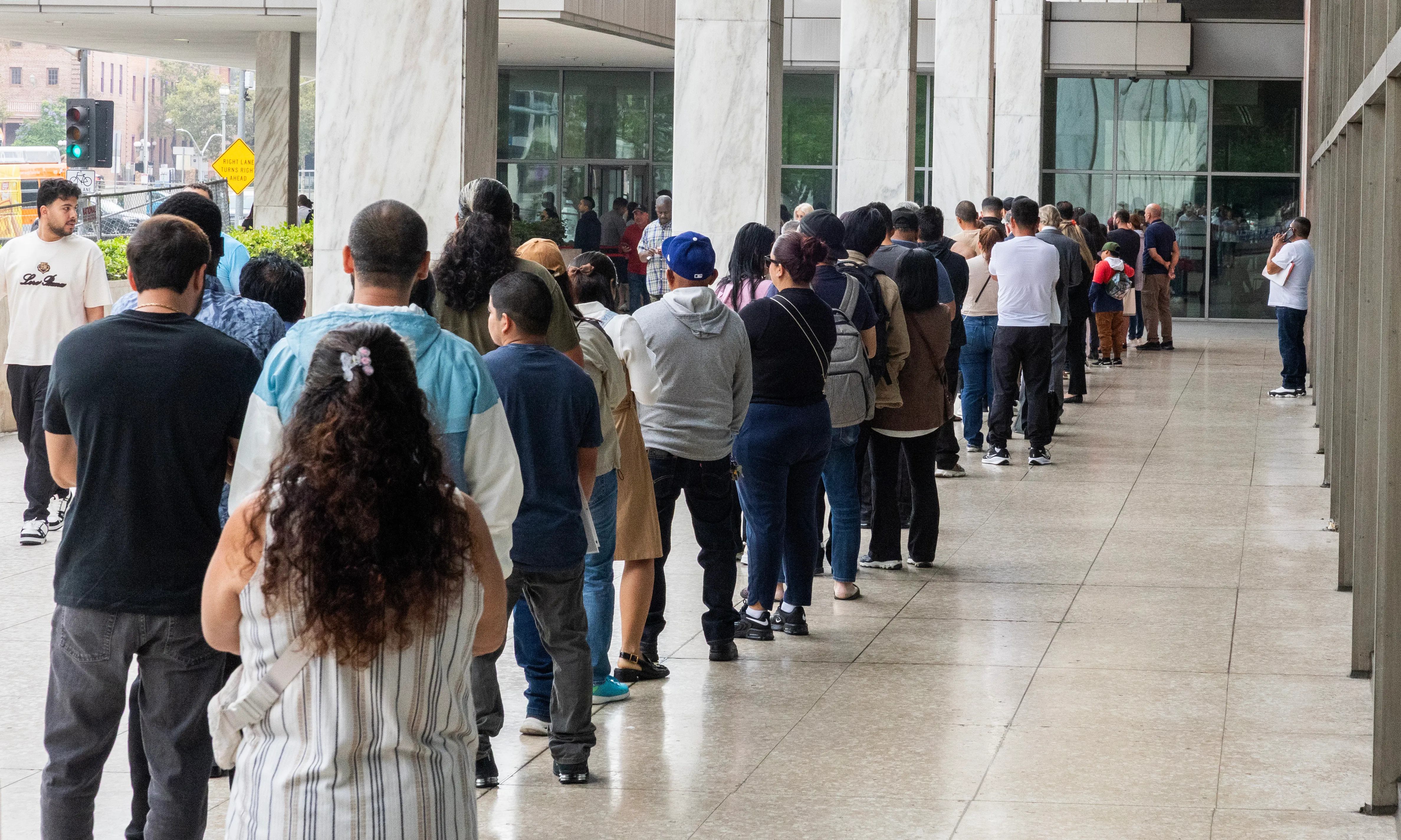
The immigration court is still overwhelmed , of course, but the administration is finding additional ways to reduce the backlog. In May 2026 , it increased the number of aliens at master calendar hearings from 20 to 30 aliens to up to 150. These hearings, referred to as “mega master calendar hearings,” have made it possible to issue a record number of in absentia removal orders — that is, in the alien’s absence — from 35,000 in May to 54,000 in June.
Master calendar hearings are not trials to determine deportability, asylum eligibility or eligibility for other forms of relief that require trials. Master calendar hearings are held for pleadings, scheduling merits hearings, advising aliens of their rights, explaining the charges in their Notice to Appear and other similar matters.
Notice of a master calendar hearing is sent to the address that the alien provided. Aliens in removal proceedings are required to provide the immigration court with their address and telephone number and to report any changes. The hearing date in the notice must be at least 10 days after service of the notice to give the alien time to retain counsel.
If an alien fails to appear at a hearing in removal proceedings, he or she “shall be ordered removed in absentia if [ICE] establishes by clear, unequivocal, and convincing evidence that the written notice was so provided and that the alien is removable.”
Immigration advocates claim that mega master calendar hearings are being used to rush aliens through removal proceedings instead of letting them have a merits hearing at which they could apply for relief from deportation. Maybe, but if an alien in removal proceedings has not kept the immigration court informed of their address, the court will not be able to contact them when a merits hearing becomes available. So aliens who don’t provide their address will be subject to absentia proceedings either way.
Aliens cannot appeal an absentia removal order, but they can file a motion asking the immigration judge to reopen the proceedings to rescind the order. A motion to rescind an absentia removal order must be filed within 180 days of when the removal order was served. If it is based on allegations of not receiving notice of the hearing or on being in federal or state custody, it may be filed at any time.
The alien can appeal a denial of his motion to the Board of Immigration Appeals . And board decisions can be challenged in federal court.
Issues most likely to be litigated include the following:
Hearing notice: Sending a hearing notice to the last address provided by the alien raises a presumption that it was delivered, but the alien can overcome the presumption with evidence that it was not delivered. The alien also can claim that the failure to appear was due to exceptional circumstances, to not receiving proper notice, or to being held in federal or state custody, and that the failure to appear was not his fault.
Right to counsel: The Board of Immigration Appeals recently held that the prohibition on scheduling a master calendar earlier than 10 days after service of the hearing notice is the only fixed statutory or regulatory timing requirement for protecting the alien’s right to counsel at no expense to the government. However, the immigration judge can grant a continuance to give the alien more time for good cause. If a continuance is denied and the outcome of the proceeding is a removal order, the alien can challenge the denial with a motion to reopen proceedings to rescind the order.
The absentia removal order. A removal order cannot be based solely on an alien’s failure to appear at the hearing. The Department of Homeland Security has to establish that proper hearing notice was given and that removability was based on clear, unequivocal and convincing evidence. These findings can be challenged in a motion to reopen, an appeal to the board, or an appeal of the board’s decision to a federal court.
Litigation can be reduced by ensuring that immigration judges have the training needed to conduct in absentia proceedings properly and that the hearings are fair and conducted without due process violations. Mega master calendar hearings will only reduce the backlog if they produce legally sustainable orders.
Nolan Rappaport was detailed to the House Judiciary Committee as an executive branch immigration law expert for three years. He subsequently served as an immigration counsel for the Subcommittee on Immigration, Border Security and Claims for four years. Prior to working on the Judiciary Committee, he wrote decisions for the Board of Immigration Appeals for 20 years. Follow his blog at .
Topics in this story
Gathered from external sources. Rights to this text belong to whoever originally published it.