The Venezuelan oil deal is a strategic victory for Trump’s new Monroe Doctrine
Regardless of criticism or credit, the oil agreement with Venezuela marks an unprecedented geopolitical victory for the United States.
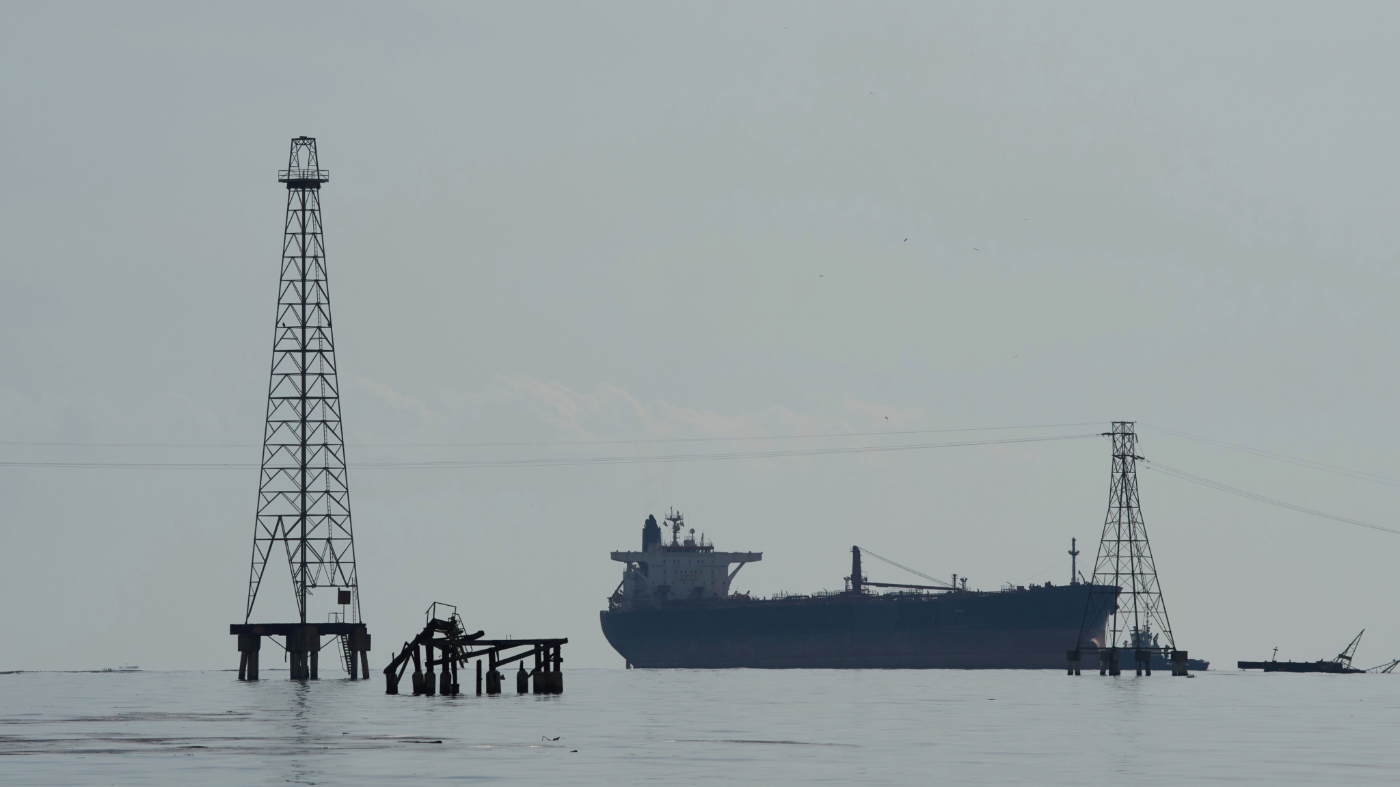
Regardless of criticism or credit, the U.S.-Venezuela oil agreement marks an unprecedented geopolitical victory for the U.S. More than 65 billion barrels of oil will bolster American energy dominance, help lower gas prices, drive Venezuela’s economic recovery and expel foreign adversaries from the Western Hemisphere.
As if that were not enough, Venezuela — the country that in 1960 spearheaded the creation of the Organization of the Petroleum Exporting Countries — is threatening to break the alliance, effectively checkmating the cartel that for years controlled and manipulated global oil prices.
In a Truth Social post , President Trump called it “The biggest oil deal in world history!” He added that the deal “MORE THAN DOUBLES American Oil Reserves, greatly increases our Oil supply, and will substantially lower Gas Prices for all Americans, long into the future, while helping to continue to set Venezuela on a course toward Tremendous Success and Great Prosperity.”
The government of Caracas has granted North American Blue Energy Partners, a privately held oil company, 100-year concessions for 17 oil fields with proven reserves of approximately 65 billion barrels.
Secretary of State Marco Rubio said the deal “demonstrates how President Trump’s bold foreign policy is driving America First wins: securing stable reserves and low-cost oil in our Hemisphere and lowering gas prices here at home.” He said it would “bring nearly $100 billion in private investment, support thousands of high-paying jobs, and drive the reconstruction of Venezuela’s economy.”
The vast majority of the resources that will be operated under North American Blue Energy Partners were previously controlled or operated by Russian, Chinese companies or corrupt partners of the Chavista dictatorship. For more than 25 years they took Venezuela’s resources for the benefit of American adversaries including Cuba, Russia, China and Iran. Those days are over.
Economic security is national security, and this historic deal is in line with the 2025 National Security Strategy that underscores the importance of “restoring American energy dominance (in oil, gas, coal, and nuclear) and reshoring the necessary key energy components.”
“Cheap and abundant energy will produce well-paying jobs in the United States, reduce costs for American consumers and businesses, fuel reindustrialization, and help maintain our advantage in cutting-edge technologies” states the document.
Venezuela’s democratic transition is not at odds with the oil agreement. America has not abandoned the cause of democracy. On the contrary, it continues to advance a clear agenda that includes facilitating dialogue to ensure reforms to the Supreme Court of Justice and the National Electoral Council, advance in the full release of all political prisoners and the establishment of credible institutions.
In other words, the oil agreement is long-term, but interim dictator Delcy Rodríguez is not.
The agreement signed by Rubio and Secretary of Defense Pete Hegseth marks a milestone in energy security. The Pentagon’s key leadership in this agreement confirms that energy is a matter of national security, not merely a commercial issue.
It is a win-win agreement. Venezuela secures investments, revitalizes its oil industry, creates jobs and fosters prosperity. The United States ensures energy security and lower market prices.
Venezuela still faces many outstanding challenges. Chavista socialism destroyed not only democracy and institutions but also the oil industry. Through the new Monroe Doctrine, the United States is rebuilding and restoring not only Venezuela’s economic ecosystem but also its democratic institutions.
After Operation Absolute Resolve , which led to Nicolas Maduro’s capture, Venezuela’s transformation continues to move forward. This includes key achievements such as the seizure of highly enriched uranium , the capture of a Hezbollah terrorist, the elimination of the leader of the Tren de Aragua’s gang, the reestablishment of consular relations with Israel and the release of over 1,000 political prisoners .
This massive oil deal is not accidental, it is under the three-phase plan for stabilization, reconstruction and democratic transition in Venezuela. Much remains to be done, but we are living through monumental times of generational change that strengthen security, freedom, and prosperity in the Americas. The best is yet to come.
Arturo McFields is an exiled journalist, former Nicaraguan ambassador to the Organization of American States, and a former member of the Norwegian Peace Corps. He is an alumnus of the National Defense University’s Security and Defense Seminar and the Harvard Leadership course.
Topics in this story
Gathered from external sources. Rights to this text belong to whoever originally published it.