Trump Rejects Iran Ceasefire, Expects Bombing to Resume After Midterms
Trump Rejects Iran Ceasefire, Expects Bombing to Resume After Midterms
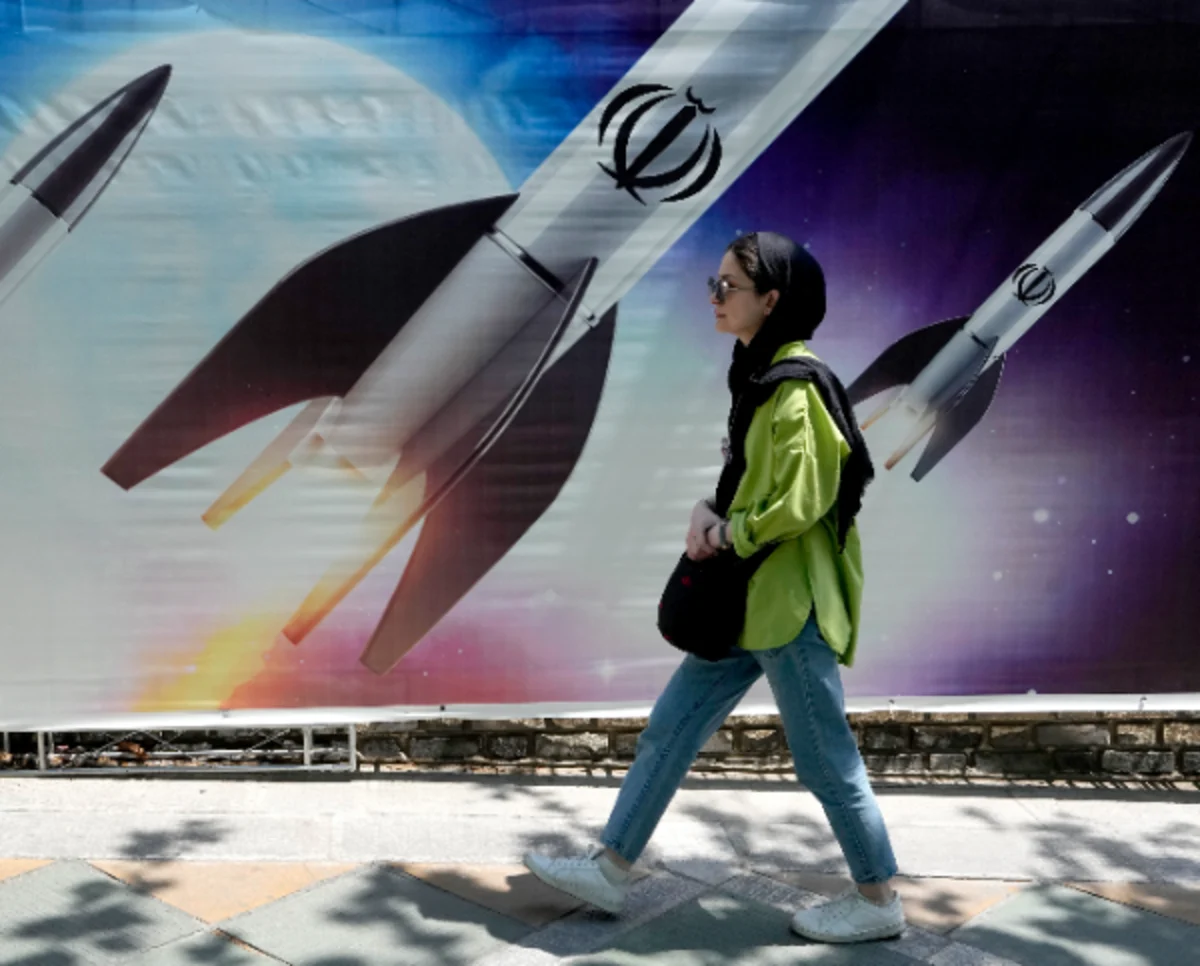
President Trump rejects Iranian proposal for a seven-day ceasefire and expects U.S. bombing of Iran to resume after midterm elections.
Iranian Foreign Minister Abbas Araghchi's proposal to halt hostilities, reopen the Strait of Hormuz, and restart nuclear negotiations is rejected by Trump.
U.S. and Iranian officials engage in indirect diplomatic contacts during the United Nations General Assembly, exploring a phased arrangement for reopening the Strait of Hormuz and lifting economic blockade.
President Donald Trump has rejected an Iranian proposal for a seven-day ceasefire and told aides he expects U.S. bombing of Iran to resume after the November midterm elections, according to The Wall Street Journal.
The Journal, citing U.S. officials, reported Friday that Trump has turned down Tehran's proposal, which would halt hostilities, reopen the Strait of Hormuz and restart negotiations over Iran's nuclear program.
Under the proposal outlined by Iranian Foreign Minister Abbas Araghchi, Iran would reopen the Strait of Hormuz at the end of a seven-day period if Washington agreed to a series of conditions, including lifting its naval blockade of Iranian ports, waiving sanctions on Iranian oil sales, and observing a ceasefire that would include Lebanon.
Araghchi said Thursday that Iran had presented the plan to the United States through intermediaries and that implementation could begin once Washington accepted the terms.
The New York Times reported Friday that the proposal closely mirrors a memorandum of understanding reached by the United States and Iran in June but subsequently unraveled, although the new plan compresses the timetable for moving toward nuclear negotiations.
The latest proposal came as U.S. and Iranian officials have renewed indirect diplomatic contacts in New York during the United Nations General Assembly.
Reuters reported Thursday that U.S. and Iranian negotiators were exploring a phased arrangement under which Tehran would reopen the Strait of Hormuz while Washington lifted its economic blockade of Iran.
The talks have included U.S. envoy Steve Witkoff and Jared Kushner, Trump's son-in-law, meeting with Araghchi through Qatari mediation, according to the New York Times.
The New York Times reported that Secretary of State Marco Rubio said a roughly three-hour meeting mediated by Qatar did not produce a breakthrough, although Iranian officials described the discussions as productive and said further contacts remained possible.
Trump has continued to say that he expects the conflict to be resolved after the midterm elections.
Axios reported Tuesday that Trump told the United Nations General Assembly that he expected the United States and Iran to reach a deal after the elections, while warning that he could instead take more aggressive military action.
Trump has previously said the war could end immediately after the midterms, according to CBS News.
The Journal's latest report goes further, saying Trump has told aides he expects U.S. bombing to resume after the elections, a prospect that would leave open the possibility of a renewed major military campaign if diplomacy fails.
Axios had previously reported that some U.S. officials believed Trump could return to major combat operations after the midterms if no agreement with Tehran was reached, while Trump had declined to say whether he would make the decision before or after the elections.
Iran, meanwhile, has pressed for a deal before the November vote.
Iranian President Masoud Pezeshkian said Thursday that Tehran wanted an agreement before the U.S. midterm elections, while Araghchi said the seven-day proposal could provide a path toward reopening the strategic waterway and restarting comprehensive nuclear negotiations.
The Strait of Hormuz has become a central issue in the diplomacy because it is a major route for global energy shipments, and the conflict has disrupted oil flows and contributed to higher energy prices.
Reuters reported earlier this week that Iran had offered to reopen the strait within seven days if the United States eased military pressure and lifted its blockade of Iranian ports.
Newsmax also reported Friday on Iran's seven-day proposal, including Tehran's offer to reopen the Strait of Hormuz and resume nuclear negotiations, as Washington weighs whether diplomacy can produce an agreement without further military action.
Topics in this story
Gathered from external sources. Rights to this text belong to whoever originally published it.