Collins, Jackson duke it out in third Maine Senate debate: 3 takeaways
Republican Sen. Susan Collins (R) and Democrat Troy Jackson clashed Tuesday in their third Maine Senate debate with just three weeks until Election Day. Collins and Jackson sparred on several topics, including the incumbent’s votes for and against the Iran war as well as their differing views on how to address cost of living issues…
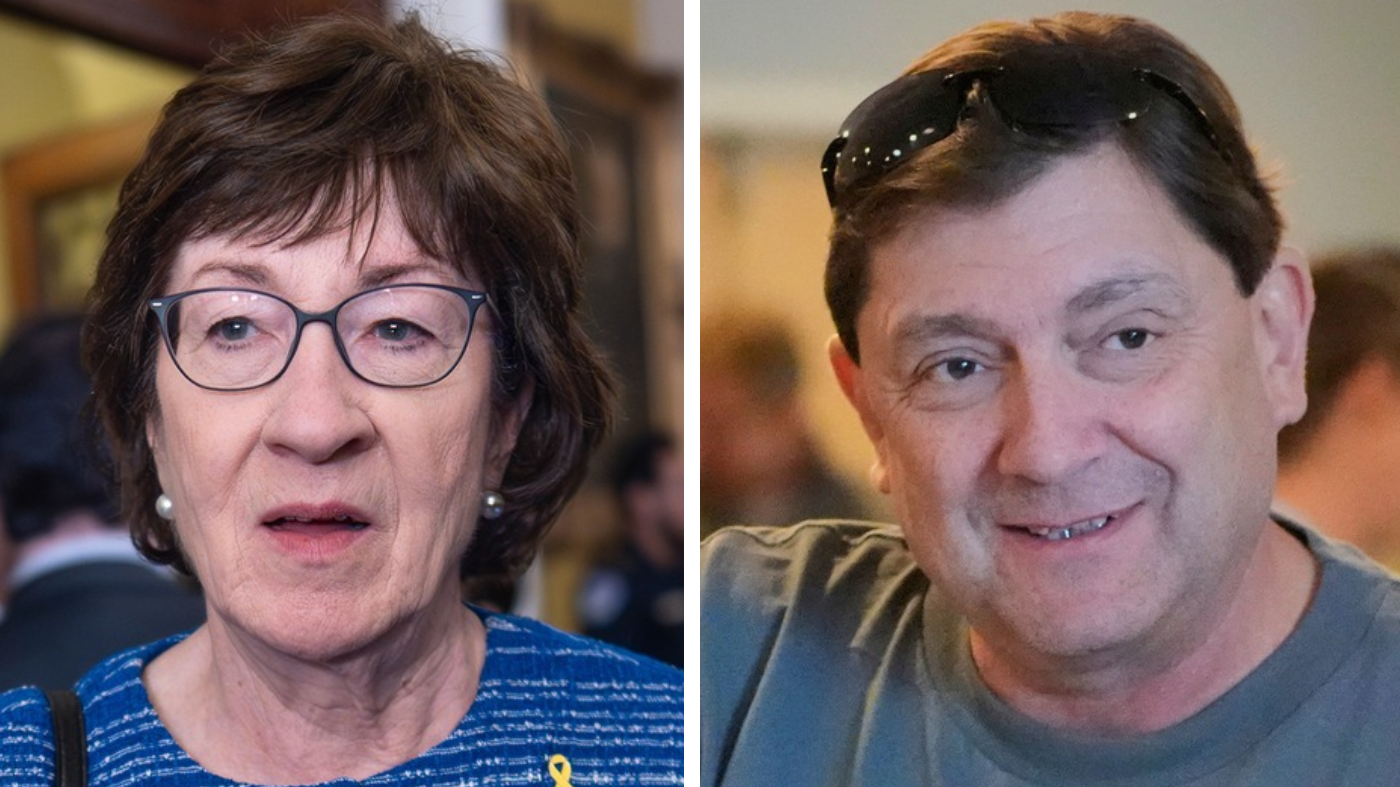
Republican Sen. Susan Collins (R) and Democrat Troy Jackson clashed Tuesday in their third Maine Senate debate with just three weeks until Election Day.
Collins and Jackson sparred on several topics, including the incumbent’s votes for and against the Iran war as well as their differing views on how to address cost of living issues in the Pine Tree State, over the course of the hour-long debate hosted by Maine station WABI.
At times they found common ground, however,on their opposition to President Trump’s trade war with Canada as well as data centers. But Jackson still regularly sought to tie Collins to Trump and his agenda, prompting pushback from the senator.
The two candidates will face off once again on Thursday in a debate moderated by News Center Maine .
Here are three takeaways from their latest face-off:
Jackson zeroes in on Trump as Collins seeks distance
Jackson repeatedly sought to link Collins to Trump, as his sagging approval ratings threaten to bog down Republicans up and down the ballot in November.
On the Iran war, Jackson accused the senator of voting to support Trump’s military authorization “because she does whatever Donald Trump wants.”
“And when Susan Collins had the chance to stop him, because she’s chair of [the Senate Appropriations Committee], she would not do that,” Jackson said. “And that’s where we are right now.”
Collins pushed back, noting she broke with her conference and voted nine times to end the conflict under the War Powers Act. The Maine Republican did vote on five occasions against failed resolutions to rein in Trump’s war powers earlier this year.
Jackson linked the Iran war to rising energy prices, continuing to knock Collins for not pushing back enough against the president. Collins cast the blame on the Maine state legislature in Augusta for high energy costs for Mainers. Jackson was the state Senate’s president until 2024.
The Democrat also sought to tie Collins to Trump while debating tariffs on Canada. He said that lawmakers in Washington should have intervened and used their authority to stop the tariff.
“The bottom line is that Troy and I both would have voted against the Canadian tariffs,” Collins replied. “There would have been no difference in our votes on those issues. But here’s the key difference. I’ve been able to negotiate and get certain items removed from the tariff list.”
Jackson says he’ll release FEC report before next debate
Collins raised concerns over Jackson’s Federal Election Commission (FEC) report “outlining his contributors and his expenditures,” prompting the Democrat to say he will release the filings.
“He’s yet to tell us. He promised to be completely transparent, yet he has not filed a single report,” Collins said.
On the campaign trail, Collins has scrutinized Jackson over his financial disclosures, particularly given his populist campaign and his public rejection of corporate PAC money. Jackson told Collins on the debate stage that he would release the filing publicly Wednesday morning.
“How about that? Was that enough?” he added. “Because we see yours and I know that there’s no billionaires funding me.”
The deadline for Q3 federal campaign expenditure filings is late Thursday. Collins has not yet released her report for the same time period.
Earlier, Jackson jabbed the senator over September ProPublica reporting that the FBI investigated a pay-for-play scheme that Collins and her super PAC allegedly engaged in with a defense contractor. The senator has denied the report , ripping it as a “partisan hit job.”
Jackson said during Tuesday’s debate that he was shocked to hear Collins talk about routing out fraud at the state level because “there’s only one person up here that’s been accused of that by the FBI.”
The remark was brushed off by Collins, who later accused him of lying and attacking her integrity.
Towards the end of the debate, Collins accused her opponent of having “repeatedly insulted my integrity all evening long.”
“He claims that I do what the so-called billionaires want to do … And I just cannot continue to ignore these attacks on my integrity,” she said.
Candidates find common ground on Canada tariffs, data centers
The Maine Senate candidates found some common ground at their third meeting on the debate stage
Both of them sharply disagreed with the White House’s tariffs on Canada after failed talks between both countries, with Collins saying, “Troy and I both would have voted against the Canadian tariffs.”
“Well, it wasn’t the Canadians that started this problem,” Collins said. “It was the Trump administration. Now the Canadians do have trade barriers when it comes to dairy products and I have advised the Canadian ambassador that they should get rid of that.”
Jackson argued Collins could have done more to prevent the tariffs, adding that the levies are “one man’s foolishness” and “that we’re dealing with in this state, and “it’s costing so many more people money than it should have.”
“Blanket tariffs are never going to be something I’ll ever support,” he said.
The two also largely agreed on data centers. Collins pointed to her support for the Ratepayer Protection Act, which sought to mitigate high energy costs associated with the development of these facilities. She noted that she thinks data center contruction should “be a local decision”
Jackson agreed that there needs to be guardrails in place on development, though he knocked Collins on leaving it at the local level.
I am very much in favor of making sure that either the federal government or the state of Maine puts guardrails on these things because I don’t want the billionaires, again, writing the rules and making our communities worse off than they are right now,” he added.
Collins retorted, adding that it “sounds like Troy and I, oddly enough, are not that far apart on this issue.”
Topics in this story
Gathered from external sources. Rights to this text belong to whoever originally published it.