Judge extends temporary block on Trump’s media ban
A federal judge on Thursday briefly extended an order lifting a ban implemented by the White House last month on three new outlets President Trump said should not be allowed to cover him over what he has called “fake news” that puts national security in danger. U.S. District Judge Timothy Kelly, a Trump appointee, is weighing whether…
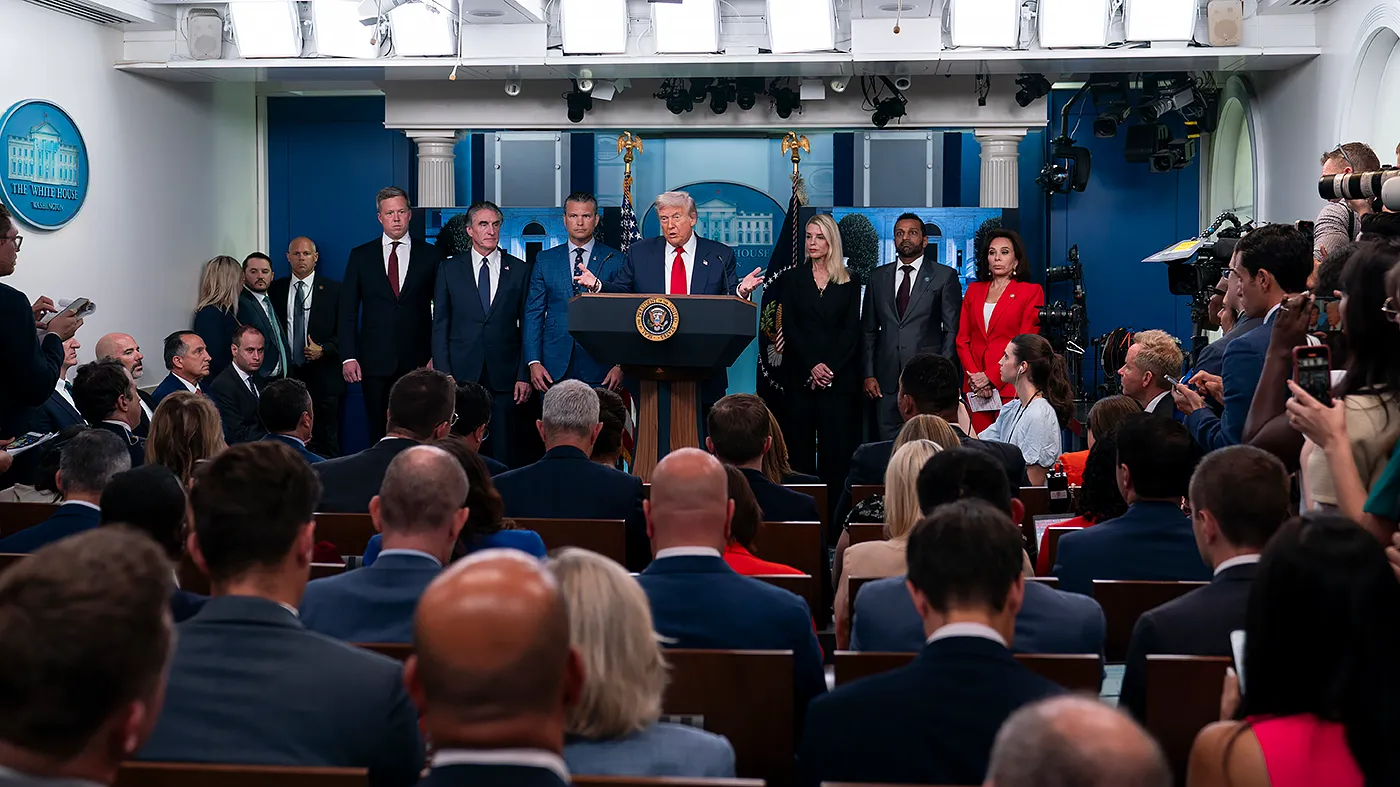
A federal judge on Thursday briefly extended an order lifting a ban implemented by the White House last month on three new outlets President Trump said should not be allowed to cover him over what he has called “fake news” that puts national security in danger.
U.S. District Judge Timothy Kelly, a Trump appointee, is weighing whether to issue a longer-lasting injunction after he handed down a 14-day temporary restraining order last month that required the administration to immediately restore press credentials for reporters from CNN, Politico and MS NOW.
That order was set to expire at 11:59 p.m. EDT Thursday, but Kelly said at the start of the hearing that it would be in effect for “another two business days.”
The administration has advanced a familiar argument to justify the president’s decision to restrict media access to his administration, citing national security concerns and the use of anonymous sources.
The news outlets have insisted Trump’s initial comments that the ban was based on cumulative negative coverage are evidence of viewpoint discrimination by the government, which is prohibited under the First Amendment.
Ted Boutrous, a lawyer representing the media outlets, specifically pointed to a recent Time magazine interview in which Trump railed against their coverage as a “confession” of the president’s intent.
The judge did not address the First Amendment claims in his previous order, instead finding that the ban likely violated the media organizations’ constitutional due process rights. The White House sent letters to each outlet identifying stories that it says “threatened national security and/or spread falsehoods,” but those only came after the fact.
Justice Department lawyer Michael Velchik argued those letters satisfied the notice requirement, even if the outlets opted not to respond, which happened in this case.
The ban has roiled the daily operation of the White House press corps since the president’s social media post announcing his desire to punish the three outlets and has impacted pool coverage of his activities.
CNN and Politico have both been blocked from traveling with Trump on Air Force One on multiple occasions since Kelly’s initial ruling, a move the media outlets’ attorney argues is causing the companies immediate harm and needs to be rectified.
Other broadcast networks temporarily held back on their duties covering the president on their assigned days after CNN was blocked from fulfilling its turn in the pool rotation.
The Justice Department and a number of White House officials have argued the president has the authority to control access to certain restricted spaces, including the presidential jet and the Oval Office, for any reason.
It mirrors an effort by the West Wing to scale back access granted to The Associated Press last year over the wire service’s refusal to refer to the Gulf of Mexico as the “Gulf of America.”
The West Wing has also sought to block Politico from print pool duties on one occasion since the court ordered their access to the White House grounds be reinstated.
A White House official told The Hill this week media outlets are granted access to attend and cover presidential events “unilaterally, but traveling with the President of the United States aboard Air Force One is a privilege not a right.”
Topics in this story
Gathered from external sources. Rights to this text belong to whoever originally published it.