Supreme Court to decide if Nigerian man’s cooking was ‘material support’ for terrorists
The Supreme Court agreed on Tuesday to take up a case involving a Nigerian man who was denied asylum in the U.S. after an immigration judge decided that he had provided “material support” for a known terrorist group by cooking for them despite being held captive at the time. The justices have granted the Justice…
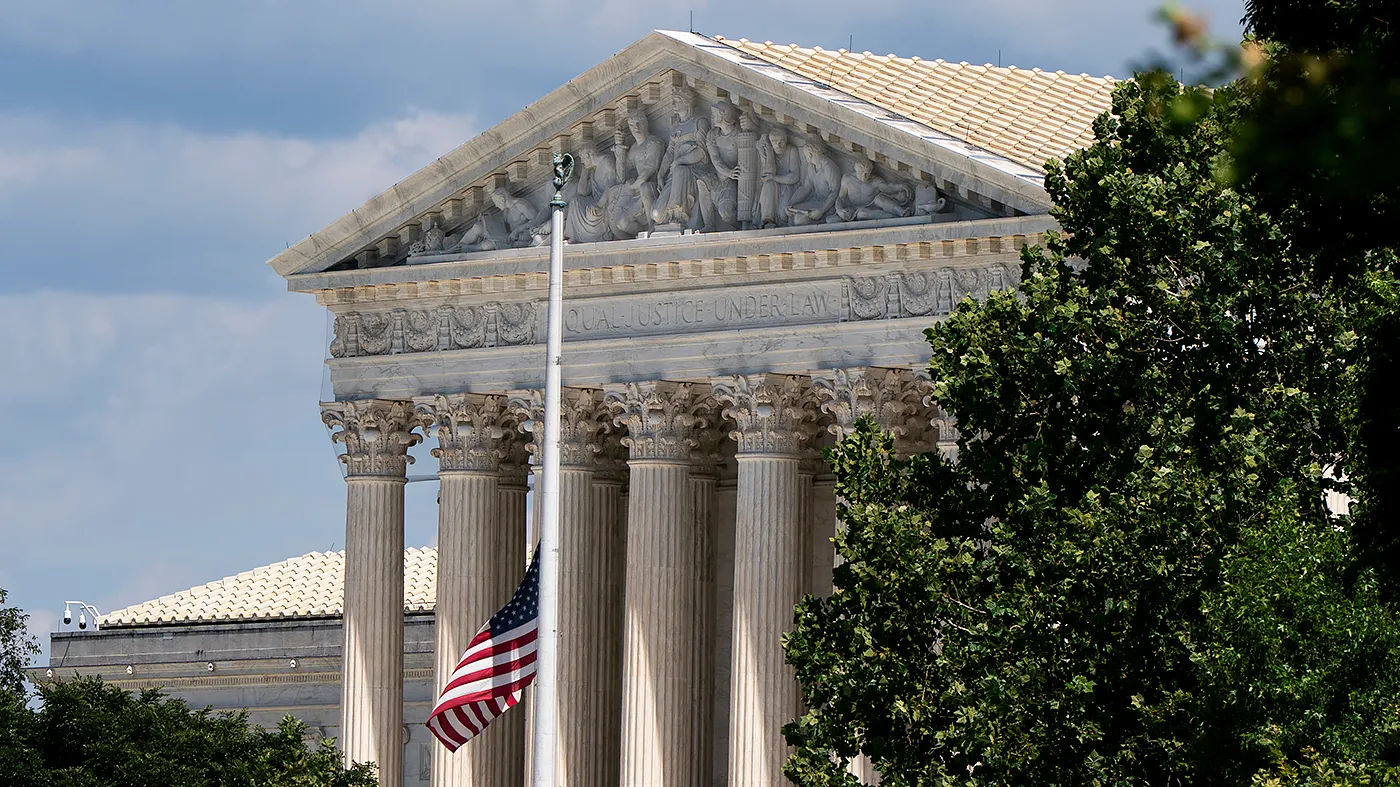
The Supreme Court agreed on Tuesday to take up a case involving a Nigerian man who was denied asylum in the U.S. after an immigration judge decided that he had provided “material support” for a known terrorist group by cooking for them despite being held captive at the time.
The justices have granted the Justice Department’s request to review an appeals court ruling that found the forced labor was not a disqualifying factor under federal immigration law.
Oral arguments are poised for next year, with a ruling expected by the summer.
Izuchukwu Ozurumba was recruited in 2022 to work as a cook at a rural Nigeria camp about 12 years after he moved back to the country from Venezuela seeking better employment opportunities. He later learned the camp was run by the “Unknown Gunmen.”
Ozurumba was held in the camp for six months, where he was forced to cook meals for the group’s leaders, eventually without pay. He could not leave, as the camp was guarded by armed security.
He escaped while on a trip into town to buy groceries and became the target of repeated threats and harassment from group members who on one occasion “beat him with sticks and knives” following a church service in Lagos, according to court records.
Fearing for his life, Ozurumba fled to Venezuela. After five months, he traveled to the U.S. and surrendered himself to immigration authorities at the southern border in July 2023.
An immigration judge found he was removable from the country for entering without valid documents. Ozurumba filed for asylum, withholding of removal and protection under the Convention Against Torture, citing fear of returning to his home country.
An immigration judge denied Ozurumba relief and ordered in March 2024 that he be deported to Nigeria. The judge said he was not eligible for asylum due to an Immigration and Nationality Act (INA) provision known as the material-support bar.
The Board of Immigration Appeals affirmed that decision in September 2024, concluding the statute did not include an implied duress exemption.
A divided panel for the 4th U.S. Circuit Court of Appeals disagreed, finding that Oruzumba’s actions were not sufficient on their own to help the group accomplish its terroristic goals.
“Cooking meals using food and supplies purchased by the organization may have ‘sustained’ the organization in the broadest possible sense—by converting raw groceries into meals they enjoyed—but provided nothing that the organization could use or readily divert to plan or carry out its terrorist activities,” the appeals court wrote.
The appeals judges vacated the removal order and sent the case back to the lower court to review. But by that time, court records show that Ozurumba’s lawyers said he had already been sent back to Nigeria.
The appeals court declined at the time to order the federal government to facilitate his immediate return to the U.S. for further immigration proceedings.
Topics in this story
Gathered from external sources. Rights to this text belong to whoever originally published it.