The US is using the wrong measure of pressure on Iran
From Tehran’s perspective, delaying negotiations is not passive behavior — it is an active bargaining strategy.
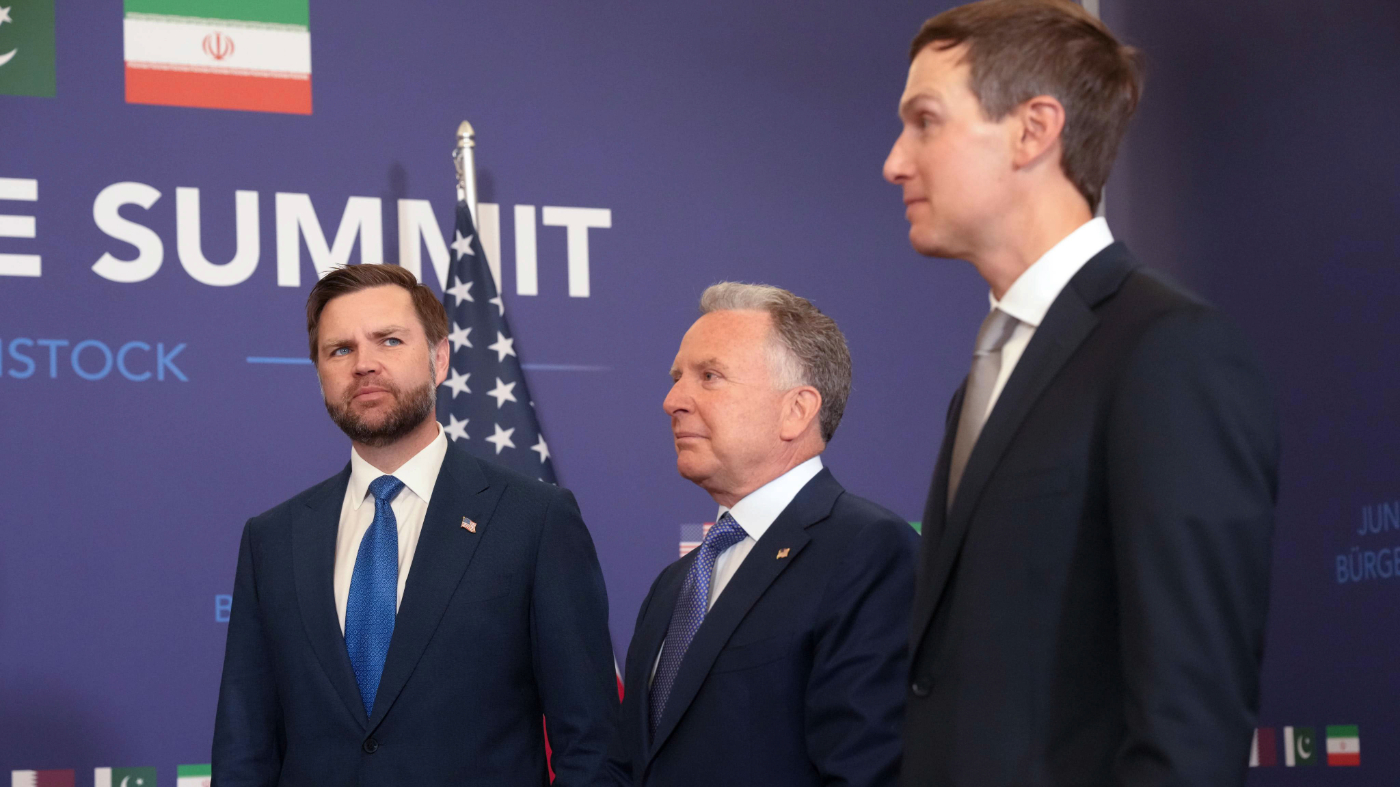
Earlier this month — days after calling off a planned military strike against Iran due to a supposed diplomatic breakthrough — President Trump blasted Iran’s leadership on Truth Social as “unbelievably duplicitous.”
For weeks, Washington and Tehran have remained locked in a diplomatic stalemate, with little indication that either side is prepared to compromise. Around the same time, CNN reported that a senior officer at U.S. Central Command circulated an unusual request to military analysts for “creative and unconventional ways to pressure and punish Iran.”
These developments are more closely connected than they appear. The request is more than simply a search for new instruments of pressure. It reflects a deeper strategic problem. The U.S. possesses overwhelming military, economic and diplomatic power. Yet those advantages matter only if they change how Tehran evaluates its options.
For years, Iran has approached confrontation with the U.S. from a simple assumption: Patience improves leverage. American administrations change. Elections reshape political priorities. Public attention shifts. Economic pressures accumulate. From Tehran’s perspective, delaying negotiations is not passive behavior — it is an active bargaining strategy.
Unlike the Islamic Republic, every American administration operates within a visible political calendar. Midterm elections, fuel prices, congressional politics and public opinion inevitably shape Washington’s room for maneuver. Tehran studies that political calendar as carefully as it studies American force posture. Whether those factors ultimately determine U.S. policy is almost beside the point. What matters is that Iran believes they eventually will.
This helps explain why successive American administrations have struggled to translate military superiority into durable political outcomes. Washington has often measured pressure by the tools it employs — airstrikes, sanctions, deployments and diplomatic isolation. Tehran has measured something else entirely, which is, whether each passing month improved its negotiating position.
America’s regional partners further complicate that calculation. Saudi Arabia has reportedly urged restraint . Other Gulf states continue balancing two competing objectives of weakening Iran while avoiding a prolonged regional war that threatens their economies and domestic stability. From Tehran’s perspective, these competing interests reinforce an important expectation — that the coalition confronting Iran will eventually place greater value on stability than sustained pressure.
Conventional instruments remain indispensable. Military pressure, sanctions and diplomacy are not the problem. The problem is assuming that applying more pressure automatically produces greater leverage. Pressure succeeds only when it changes an adversary’s expectations.
Thomas Schelling made this point decades ago in “ Arms and Influence .” Coercion succeeds not because it imposes costs, but because it changes an adversary’s calculations. The relevant question today is therefore not how much damage American policy inflicts on Iran, but whether Tehran still believes that waiting promises a better outcome than negotiating today.
That distinction should reshape how Washington evaluates its strategy. Every military operation, diplomatic initiative, sanctions package or regional agreement should be judged against one strategic question: Does it strengthen or weaken Tehran’s confidence that delay improves its position? If the answer is no, tactical success is unlikely to translate into political success.
History offers reason to challenge Iran’s assumptions. The 1973 oil embargo did not permanently weaken the U.S. It accelerated American adaptation through greater energy resilience, technological innovation and strategic diversification. Democracies often appear vulnerable because their debates are public and their politics are noisy. Yet they have repeatedly demonstrated an ability to absorb shocks, adapt and emerge strategically stronger than their adversaries expected.
By confusing political debate for strategic weakness, Iran’s leaders may be making the same mistake that many of America’s adversaries have made before.
The ultimate measure of American strategy is neither the number of targets destroyed, nor the severity of sanctions imposed. It is whether Tehran concludes that further delay no longer improves its prospects. Military power creates opportunity. Coercion succeeds only when it changes expectations.
Until Iran’s leaders believe that waiting no longer works to their advantage, Washington risks winning battles without achieving its strategic objective
Bradley Martin is the executive director of the Near East Center for Strategic Studies. Dr. Liram Koblentz-Stenzler is the head of the Global Extremism and Antisemitism Desk at the International Institute for Counter-Terrorism at Reichman University, Herzliya, and a visiting scholar at Brandeis University.
Topics in this story
Gathered from external sources. Rights to this text belong to whoever originally published it.