Trump touts Medicaid drug savings
All 50 states, Washington, D.C., and Puerto Rico have applied to participate in an arrangement intended to give lower drug prices to Medicaid programs, President Trump said Friday. “This one thing alone should win us the midterms,” Trump told reporters in the Oval Office. Forty states and Puerto Rico have already signed agreements, the Centers…
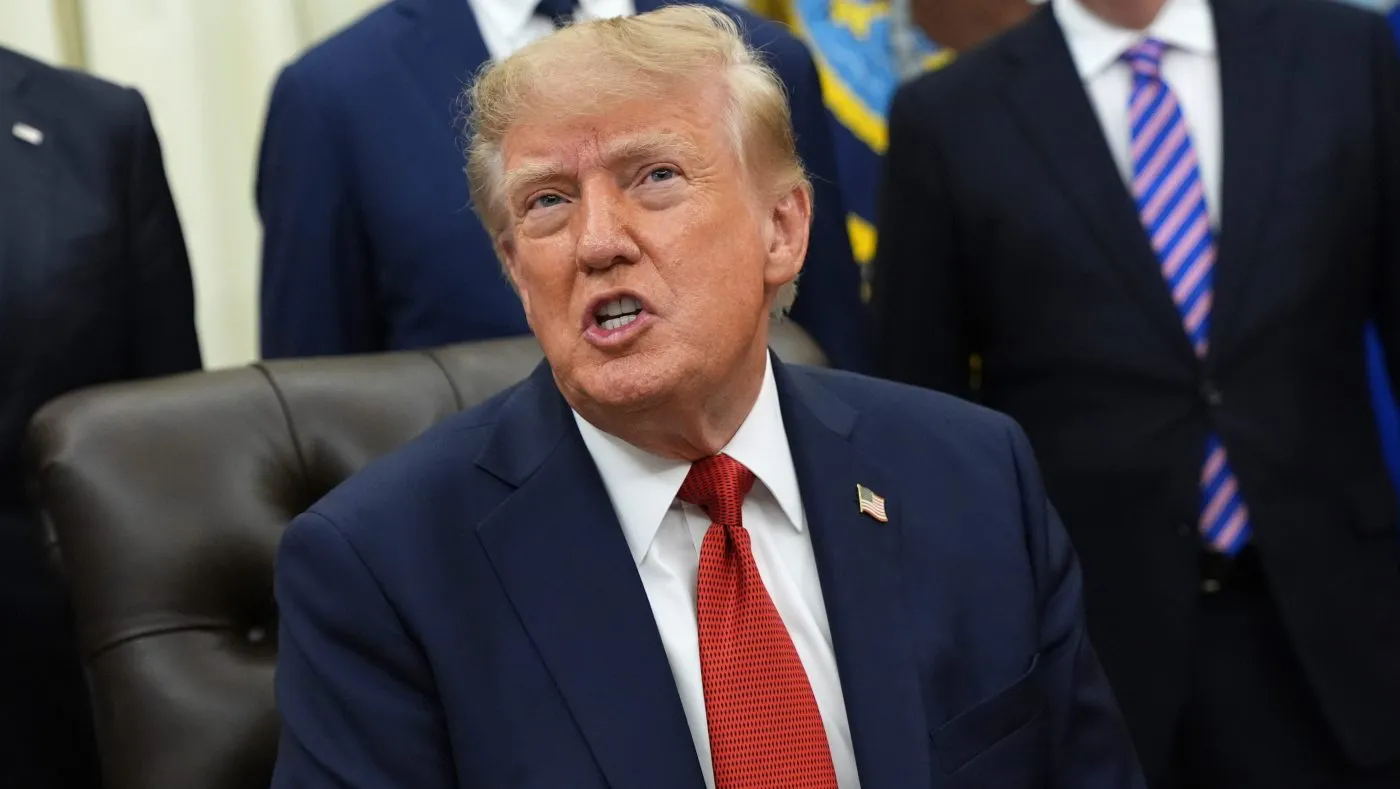
All 50 states, Washington, D.C., and Puerto Rico have applied to participate in an arrangement intended to give lower drug prices to Medicaid programs, President Trump said Friday.
“This one thing alone should win us the midterms,” Trump told reporters in the Oval Office.
Forty states and Puerto Rico have already signed agreements, the Centers for Medicare and Medicaid Services (CMS) said in a separate statement, and applying does not obligate states to participate.
The administration’s “generous” model allows participating states to purchase drugs at a price aligned with those in other countries. The theory, according to the CMS, is that it will allow state Medicaid programs to benefit from fairer, more competitive pricing.
The White House announcement comes as affordability is at the forefront of voters’ concerns ahead of the November midterm elections. To try to address those concerns, Trump has cut deals with pharmaceutical companies so the cost of some drugs in the U.S. would be tied to what companies charge other wealthy countries.
But critics say the administration is merely papering over the issue and has no real plan to deal with rising health costs — especially the ones caused when Republicans let ObamaCare’s enhanced premium subsidies expire.
The White House said participating pharmaceutical companies will provide state Medicaid programs with rebates on selected brand-name drugs to ensure the final price to Medicaid does not exceed what’s paid in other developed countries.
More than two dozen drug companies have agreed to participate in the program in exchange for tariff relief and exemptions from a similar pricing plan for Medicare.
“Medicaid programs will get the best possible price for drugs, delivering better value for taxpayers and freeing up funds to give vulnerable Americans the high-quality care they deserve,” CMS Administrator Mehmet Oz said.
The model includes hundreds of individual drugs across virtually all major drug classes, including oncology, diabetes care and asthma.
The White House Council of Economic Advisers estimated the “most-favored nation” (MFN) deals in Medicaid will produce $36.6 billion in federal savings and $27.6 billion for states.
But Medicaid drugs are already subject to steep discounts, and many of the details of the agreements are secret, so the true impact of MFN agreements on drug costs and accessibility isn’t clear.
Critics said there’s little evidence that drug companies are meaningfully lowering prices at all.
“Big Pharma expects little to no financial impact from these short-term Medicaid deals. Instead, pharma companies and Trump appear to have worked together to offer minor concessions to avoid taking more meaningful action to lower prices,” Peter Maybarduk, access to medicines director for Public Citizen, said in a statement, calling the agreements a “charade.”
Topics in this story
Gathered from external sources. Rights to this text belong to whoever originally published it.