Congress has a new majority, but immigration policy won’t change just yet
Democrats may be in charge of the legislative branch, but it’s likely to be a long two years — at least — before they get anything done.
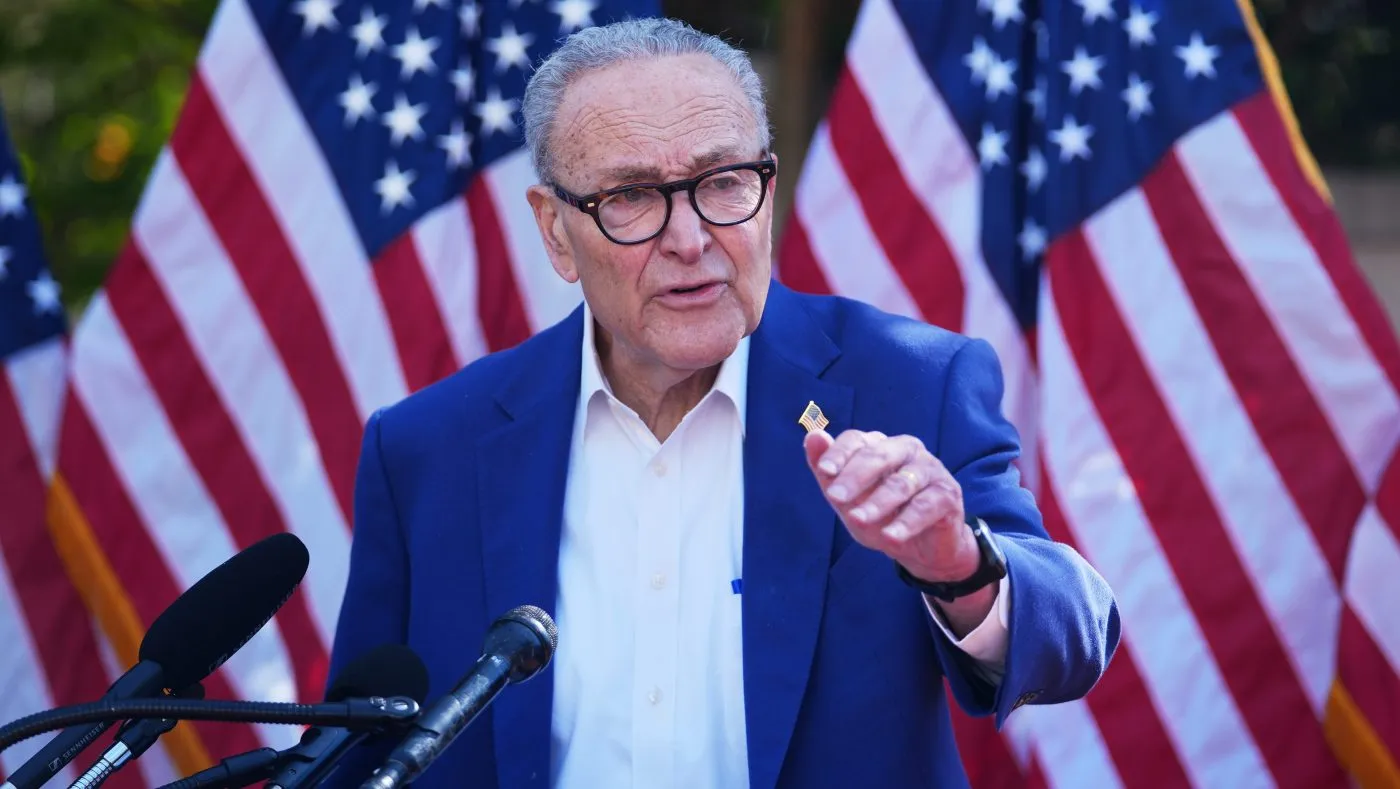
The midterm elections gave the Democrats majorities in both chambers for the next Congress . But they may not be able to change the way the Republicans are securing the border or enforcing the immigration laws in the interior of our country.
The New Democrat Coalition Government Agenda proposes upgrading “the technology used at the border including investment in radar surveillance systems, mobile remote video surveillance systems, [and] manned and unmanned vehicles.” The coalition’s emphasis, however, will be on drug and human trafficking, not on undocumented immigrants who are apprehended after making an illegal crossing.
The new agenda focuses interior enforcement on migrants who are convicted of violent crimes. Undocumented immigrants with no criminal record generally are not likely to be put in removal proceedings if they reach the interior of the country.
The coalition also intends to appropriate funds to add more judges to the immigration court. This approach has been tried and it hasn’t made substantial reductions in the immigration court’s backlog. The backlog was 3,037,800 cases as of the end of September.
Democrats want to create a path to legal status for undocumented immigrants who have been in the United States for more than five years, have worked and paid taxes, and who pay a fine and pass a criminal background check.
The American Immigration Council justifies granting undocumented immigrants’ lawful status with the claim that “Undocumented immigrants are essential contributors to the economy. In 2023, undocumented immigrant households paid $89.8 billion in federal, state, and local taxes.”
Those economic contributions cannot be attributed to every undocumented immigrant in the U.S., however. Congress should limit legalization to undocumented immigrants who actually do make such contributions or are providing other needed benefits, such as military service, medical care in underserved areas, or teaching in school districts that are experiencing teacher shortages.
It would be better to base legalization eligibility more directly on what the U.S. would gain from giving undocumented immigrants lawful status. This would make legalization a tool of national interest.
The coalition also wants immigration judges to have the discretion “to consider marital, veteran, and other ties to the U.S. and specific communities when deciding legal status cases.” Immigration judges already have the authority to consider such factors when deciding whether a deportable immigrant merits discretionary relief from deportation. But immigration judges cannot waive statutory eligibility requirements just because an immigrant has favorable equities.
At the beginning of the year, House Democratic Leader Hakeem Jeffries and Senate Democratic Leader Chuck Schumer expressed their views on how ICE should enforce immigration law in a letter to Republican Speaker Mike Johnson (R-La.) and Senate Majority Leader Senator John Thune (R-S.D.). Among their 10 demands was prohibiting ICE agents from entering private property without a judicial warrant and from wearing face masks; requiring immigration officers to wear cameras when interacting with the public; and establishing a reasonable use of force policy.
Some lower courts have ruled that ICE agents cannot enter a home without a judicial warrant in the absence of exigent circumstances, such as hot pursuit, imminent danger or the destruction of evidence. And the Supreme Court has held that warrantless searches are permitted in areas that are accessible to the public because individuals have a diminished privacy expectation in public areas.
The public should be able to identify ICE officers who are engaging in questionable activities, but officers also need to be protected against doxxing . Because of this risk, officers should be permitted to wear masks. It is only necessary to require them to wear an assigned number on their uniforms that can be used to identify them.
I would like to see a use-of-force standard that is applied consistently. But due regard should be given to the fact that officers in the field have to make split-second decisions on the use of force.
I agree that officers in the field should wear body cameras.
I don’t expect the Democrats to accomplish their objectives with legislation. Senate Republicans can prevent a Democratic bill from going to a vote with the filibuster , and the Democrats won’t have the 60 votes needed to block it without support from Republicans. Overriding a presidential veto , which the president has already promised to lean heavily on , requires a vote by two-thirds of members elected and sworn. This also is likely to require Republican support.
Moreover, it may be difficult for them to control the administration with the power of the purse. Earlier this year, the Secure America Act appropriated $70 billion to fund immigration enforcement, border security and related activities through September 2029.
And the Constitution’s separation of powers limits the extent to which lawmakers can compel the administration to change the way it enforces the law with nonlegislative measures.
Democrats may be in charge of the legislative branch, but it’s likely to be a long two years — at least — before they get anything done.
Nolan Rappaport was detailed to the House Judiciary Committee as an executive branch immigration law expert for three years. He subsequently served as an immigration counsel for the Subcommittee on Immigration, Border Security and Claims for four years. Prior to working on the Judiciary Committee, he wrote decisions for the Board of Immigration Appeals for 20 years.
Topics in this story
Gathered from external sources. Rights to this text belong to whoever originally published it.