Massie urges passage of PRIME Act following Trump move to ease meat processing restrictions
GOP Rep. Thomas Massie (Ky.) reupped his calls Friday for Congress to remove barriers for local meat processors after President Trump announced he would make it easier for ranchers to process their own food. “This is great, but it should be a law, not just an executive order,” Massie wrote in a social media post,…
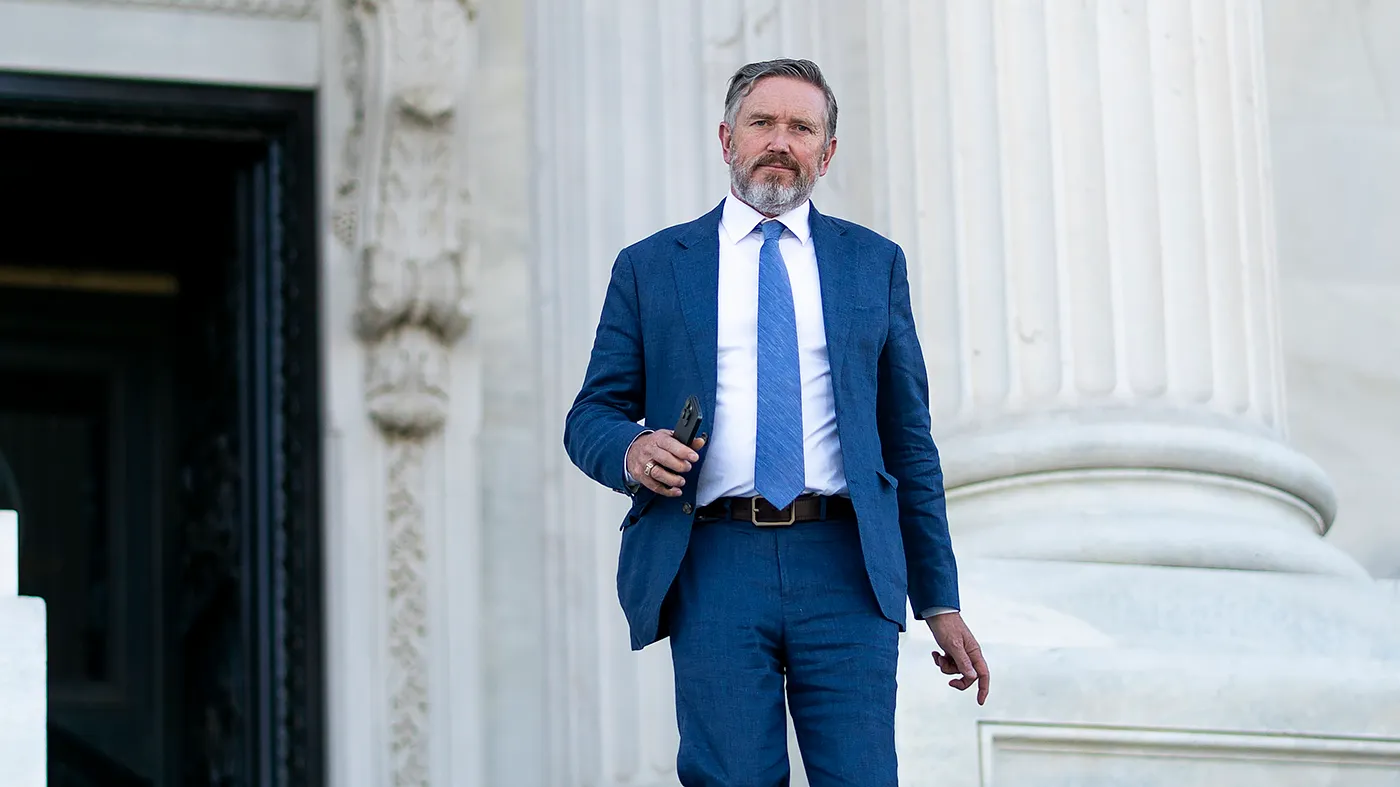
GOP Rep. Thomas Massie (Ky.) reupped his calls Friday for Congress to remove barriers for local meat processors after President Trump announced he would make it easier for ranchers to process their own food.
“This is great, but it should be a law, not just an executive order,” Massie wrote in a social media post , referring to his proposed Processing Revival and Intrastate Meat Exemption (PRIME) Act.
The legislation would allow local slaughterhouses to sell meat in state without being subject to federal inspection requirements. The bill has “dozens of bipartisan sponsors” in both chambers of Congress, the lawmaker said.
Massie first unveiled a version of the PRIME Act in 2015 and introduced it again as recently as July 2025.
A pilot version of the proposed act was included in the House farm bill, which passed the lower chamber in April. However, the program is not included in the Senate’s version of the legislation package, which is still under consideration in the Senate Agriculture Committee.
“Pass the PRIME Act so consumers can get affordable U.S. beef and farmers can flourish!” Massie added Friday.
The president’s decision to ease meat processing restrictions followed backlash from Republicans and ranchers surrounding his administration’s plans to temporarily lift higher tariffs from imported ground beef products.
The move would allow up to 300,000 metric tons of ground beef to be imported without “out-of-quota” tariffs within a 90-day period and then sold within the U.S. at 25 percent below market prices, Trump said last week. Critics have argued this would unfairly penalize U.S. ranchers and farmers.
The president defended his move, saying it would allow the U.S. cattle population to replenish and bring down rising costs for consumers. Agriculture Secretary Brooke Rollins told reporters earlier this week the details of the plan are still under discussion.
In a Friday Truth Social post announcing these changes, Trump emphasized, “Ranchers and Farmers have always been a number one priority for me.”
“They work very hard, are smart, efficient, and immaculately CLEAN, but for years I have heard that they have had a tremendous problem with the Big Processors, who many say are a nasty Monopoly,” he wrote.
The president said he was “authorizing legal documents” to allow farmers and ranchers to process their own meat, saying this change “should move quickly.”
The National Cattlemen’s Beef Association (NCBA), which lobbies on behalf of large meatpacking conglomerates, criticized Trump’s latest move in a Friday statement shared on social media.
“NCBA supports more competition, more opportunities for small & regional processors, and eliminating unnecessary regulations but weakening federal meat inspection & food safety standards isn’t the answer,” the organization said.
“America’s cattle producers have earned consumer trust in U.S. beef over generations,” its statement continued. “That trust, and the gold standard food safety system behind it, shouldn’t be put at risk for a short-term political fix.”
Topics in this story
Gathered from external sources. Rights to this text belong to whoever originally published it.