Supreme Court turns away appeal from 9/11 defendants seeking to reinstate plea deals
The Supreme Court on Monday declined to hear appeals from three men accused of plotting the Sept. 11, 2001, attacks who are currently awaiting trial at the infamous Guantánamo Bay prison. The justices turned away petitions from Khalid Sheikh Mohammed and two alleged accomplices, Mustafa al-Hawsawi and Walid bin Attash, without explanation. Justice Brett…
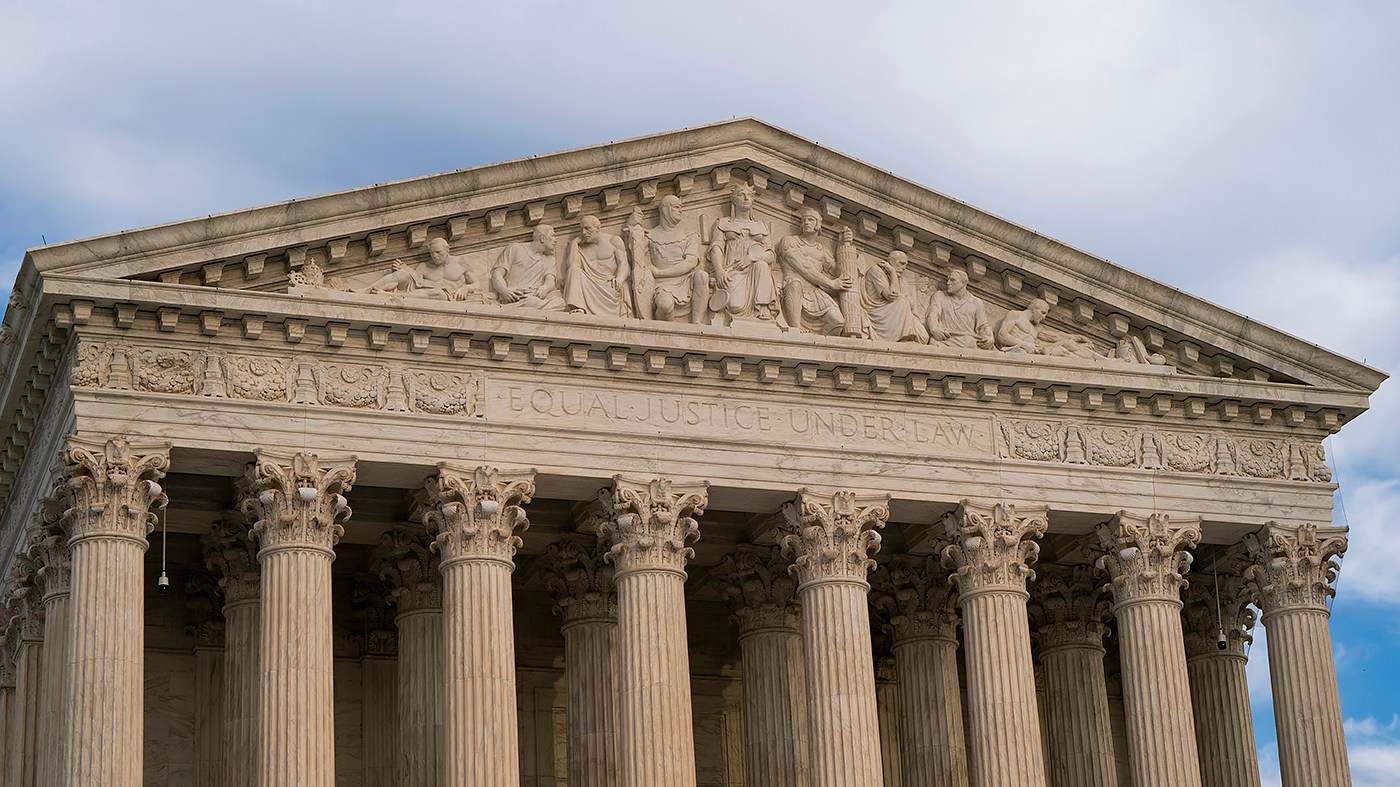
The Supreme Court on Monday declined to hear appeals from three men accused of plotting the Sept. 11, 2001, attacks who are currently awaiting trial at the infamous Guantánamo Bay prison.
The justices turned away petitions from Khalid Sheikh Mohammed and two alleged accomplices, Mustafa al-Hawsawi and Walid bin Attash, without explanation.
Justice Brett Kavanaugh recused himself from the Mohammed and al-Hawsawi petition.
The three prisoners were seeking to reinstate plea deals in which they agreed to plead guilty and give detailed confessions about their roles in the deadliest terrorist attack in U.S. history. In exchange, prosecutors would not have sought the death penalty.
A Pentagon official approved the deals in late July 2024, but then-Defense Secretary Lloyd Austin nullified them two days later following criticism from some victims’ families.
A military judge ruled that Austin’s attempted withdrawal had come too late because the defendants had already “begun performance.” A unanimous panel of military appellate judges upheld that decision.
A divided panel for the D.C. Circuit Court of Appeals reversed the decision the following July, finding that Austin had acted within his legal authority when he backed out of the deals.
In separate petitions, the defendants argued that the appellate court was not authorized to hear the government’s challenge. Bin Attash also argued that it was wrong of the appeals court to conclude that he had not begun fulfilling his obligations under the agreement because he had already signed a stipulation admitting to the basis for the charges.
Solicitor General D. John Sauer had urged the Supreme Court to reject the appeals, arguing that it would ensure the decision of whether to pursue the death penalty is made by an “official who answers to the American people.”
“The court of appeals correctly exercised jurisdiction to reject the military judge’s extraordinary disregard for the Secretary’s authority over these military-commission prosecutions of paramount national significance,” Sauer wrote.
The three men were charged jointly for allegedly helping plan and orchestrate the 9/11 attacks more than two decades ago. Nearly 3,000 people were killed when members of the al Qaeda terrorist group hijacked four commercial planes, crashing them into the World Trade Center, the Pentagon and a field near Shanksville, Pa.
They are set to be tried together in a military trial scheduled to begin in early June 2028. The start date has been pushed back several times.
Topics in this story
Gathered from external sources. Rights to this text belong to whoever originally published it.