The blue wave can fix America’s critical food safety and security gaps
Preventing foodborne illness and providing food access for those in need will be a top focus of the next Congress.
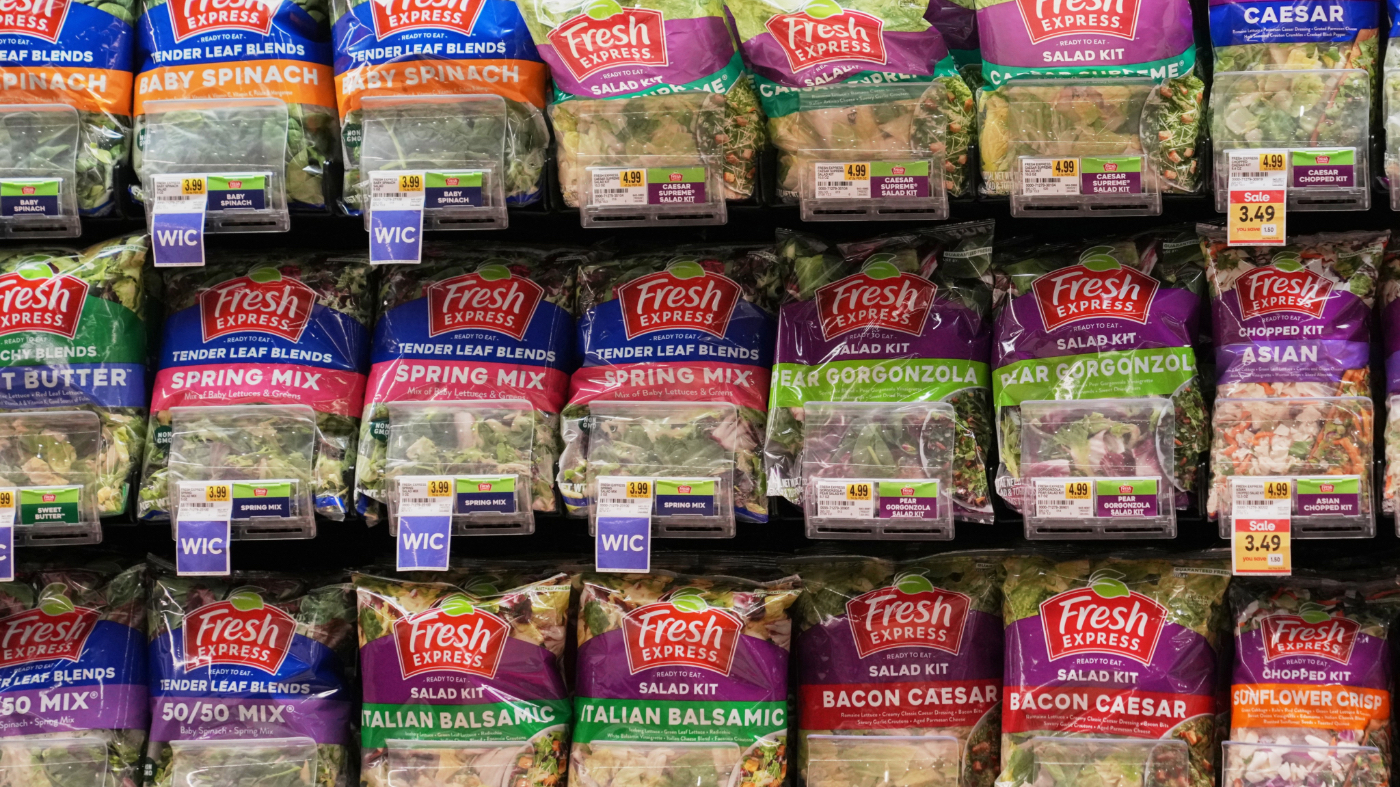
When millions gather this Thanksgiving, most won’t question the safety of the food on their plates. They’ll assume our government has strict measures in place that protect our food supply from dangerous contaminants that could cause people harm.
The facts tell a different story. A recent Washington Post investigation found that the Food and Drug Administration has inspected fewer than 8 percent of all major foreign facilities that provide fresh produce to the United States since 2009.
Think about that: Over 90 percent of the largest international plants that sell fruits and vegetables to America have not received an FDA inspection in nearly two decades. It’s a massive public health blind spot for a country that’s become increasingly reliant on produce imports in recent years.
The public health threat this poses to Americans isn’t hyperbole. This summer, a multistate outbreak of cyclosporiasis that was linked to iceberg lettuce imported from Mexico sickened nearly 13,000 people, hospitalized over 550 and claimed two lives. The contaminated lettuce came from a Mexican supplier whose operations hadn’t been inspected by the FDA in seven years .
There have been other contaminations. In September , broccoli sprouts and microgreens imported from New Zealand contaminated with salmonella sickened 34 people across six states. In October , frozen blueberries from Chile were recalled due to an E. coli outbreak that caused 17 illnesses and six hospitalizations.
In total, the FDA anticipates over 550 food recalls will take place this fiscal cycle, a number consistent with what the agency typically sees in an average year. However, the increasing severity of these events, combined with cutbacks in personnel, has public health experts worried.
Janet Hamilton of the Council of State and Territorial Epidemiologists says “the scale and magnitude of outbreaks that we’re facing right now are unprecedented. It’s like we’re being eclipsed by the scale and magnitude of these outbreaks with the staffing levels that we have.”
She’s right: The very institutions tasked with protecting the U.S. food supply have been weakened by recent federal workforce reductions. Cutbacks at the FDA — over 4,000 people in just the past two years alone — have hampered the government’s ability to prevent recent deadly foodborne contamination events.
U.S. lawmakers have failed their collective responsibility to ensure the nation’s food regulatory agencies are keeping Americans safe. But a wave of newly elected members to Capitol Hill is expected to bring much needed support for our public health institutions when the next Congress convenes in January.
Two physicians have been elected to the U.S. Senate. They include pediatrician Annie Andrews in South Carolina and physician and former public health official Abdul El-Sayed in Michigan . Both will bring a deep bench of medical and public health experience to federal rulemaking in the nation’s capital.
They — along with several other incoming members of Congress with science backgrounds — will help ensure facts prevail and lead the way on health policy. They will be important voices who will hold to account the country’s top health official, Health and Human Services Secretary Robert F. Kennedy, Jr., whose initiatives to date have turned the clock back on public health safety.
These include the removal of 10,000 roles at Health and Human Services, the dismissal of the Centers for Disease Control and Prevention’s vaccine advisory committee and the easing of restrictions on unproven therapies that align with Kennedy’s personal lifestyle choices. A Democratic majority in both chambers of Congress will establish important checks and balances to administration efforts that have put public health at potential risk.
The advancement of public health food policy will soon be part of the national legislative agenda. Democrats are already pushing support for important food security initiatives, such as the Supplemental Nutrition Assistance Program , whose mission to help low-income families has been decimated under the current Congress.
Public health institutions have endured a steady erosion of trust in America. Restricting federal resources that make it more difficult for them to protect the safety and availability of our food supply will only make it worse.
Preventing foodborne illness and providing food access for those in need will be a top focus of the next Congress. Whether the Trump administration and Republicans in Congress will work with Democrats to support these important goals to protect the safety of the American people will be up to them.
Lyndon Haviland, DrPH, MPH, is a distinguished scholar at the CUNY School of Public Health and Health Policy.
Topics in this story
Gathered from external sources. Rights to this text belong to whoever originally published it.